
Air Sealing
You would never leave a window open in the middle of a freezing NYC winter. Yet the tiny gaps and cracks throughout your home may be letting in just as much outside air. Professional air sealing finds and eliminates every leak, cutting energy waste and making your home noticeably more comfortable.
How We Find and Seal Every Leak
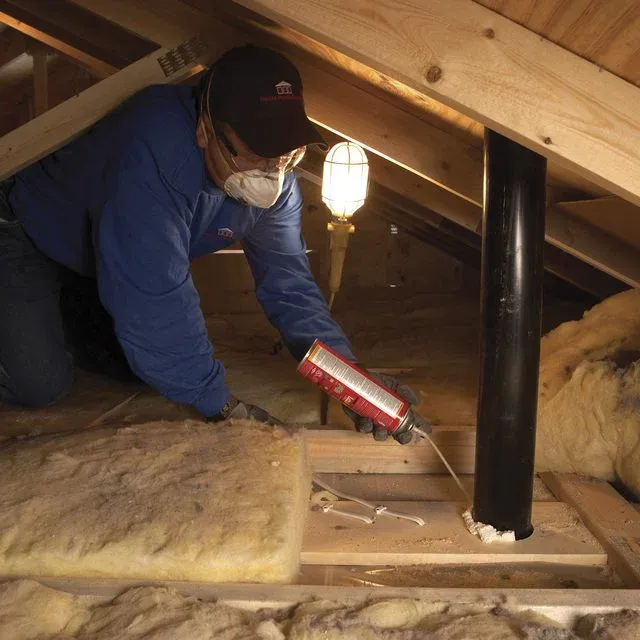
Even newer homes are rarely completely airtight. Air leaks hide in attics, basements, crawl spaces, and around old doors and windows. Heat finds its way out through a wide variety of gaps, cracks, and holes in every part of the house, wasting energy and money every single day.
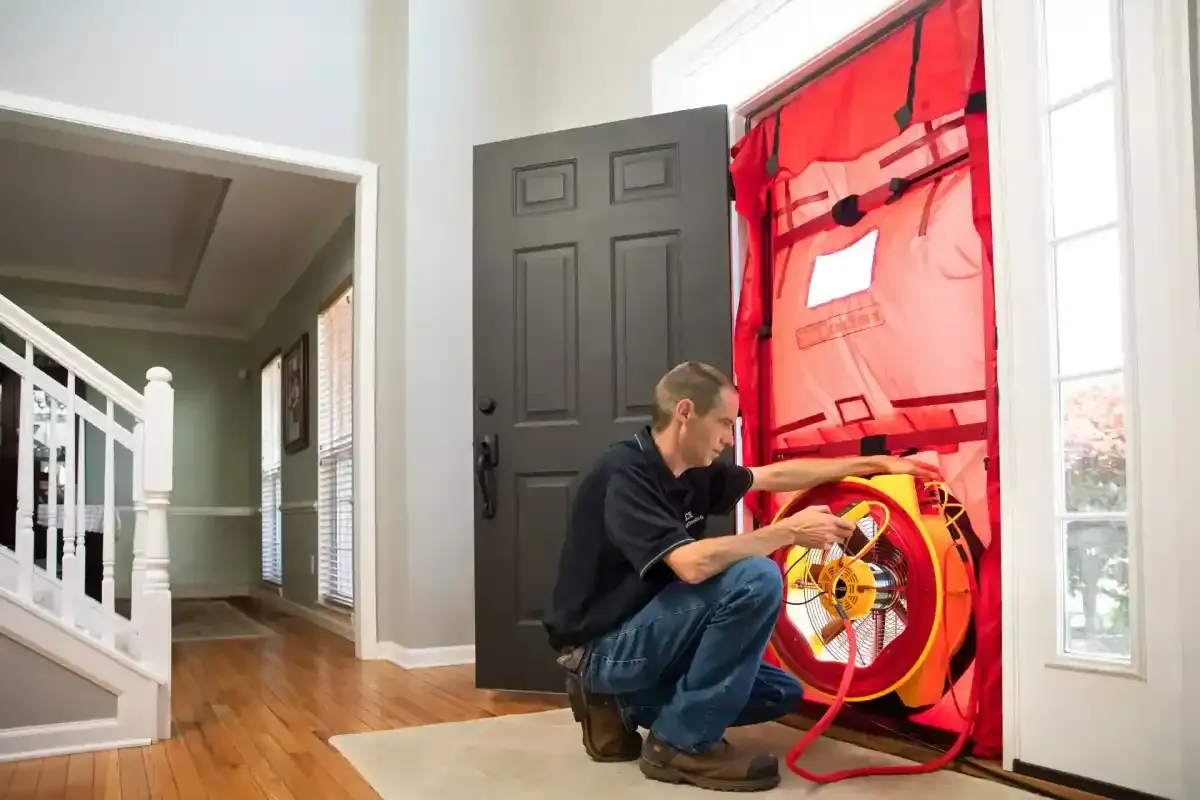
At NY Energy Project, we use a diagnostic tool called the blower door test to measure the exact amount of air leakage in your home. Combined with infrared imaging cameras, we pinpoint the location of every leak with precision. From the attic to the basement, we locate and seal air leaks throughout your entire home.
When the work is complete, we perform a second blower door test to confirm the improvement. The lower leakage rating verifies that your home is now more airtight, with better energy performance and lasting savings on your heating and cooling bills.
Benefits of Professional Air Sealing
Lower Energy Bills
Air sealing can reduce heating and cooling costs by an average of 15%, according to EPA estimates. Combined with insulation upgrades, savings can reach up to 50%.
Precise Leak Detection
We use blower door tests and infrared imaging cameras to accurately measure your home's air leakage and pinpoint even the smallest, least obvious leaks.
Once-and-Done Repair
Air sealing is a permanent improvement. Once the gaps and cracks are sealed, they stay sealed with no ongoing maintenance required.
Better Indoor Air Quality
Sealing gaps keeps outdoor pollutants, allergens, and crawl space air from infiltrating your living spaces, making your home healthier for your family.
Ice Dam Prevention
Proper air sealing and insulation prevents warm air from escaping into the attic, which is the primary cause of ice dams, water damage, and mold growth.
Free Estimates & Inspections
We provide comprehensive inspections and free estimates. Some homeowners may qualify for free upgrades through NYSERDA programs.
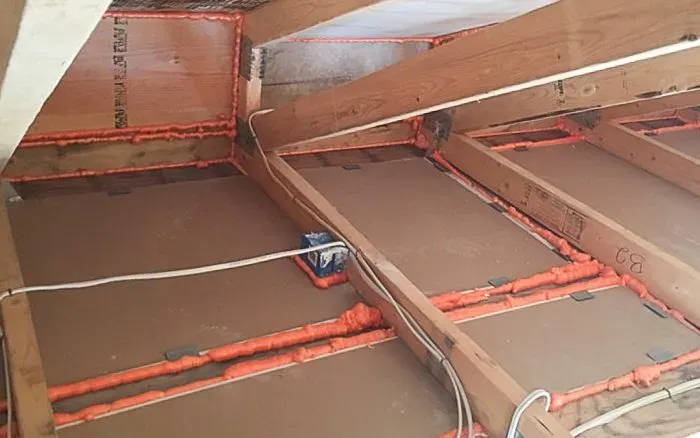
Common Sources of Air Leakage in NYC Homes
Air sealing targets the specific locations where air leaks most commonly occur. Our technicians systematically check and seal each of these areas during every project.
- Plumbing and wiring penetrations through floors, walls, and ceilings
- Around chimney passes and flue pipes
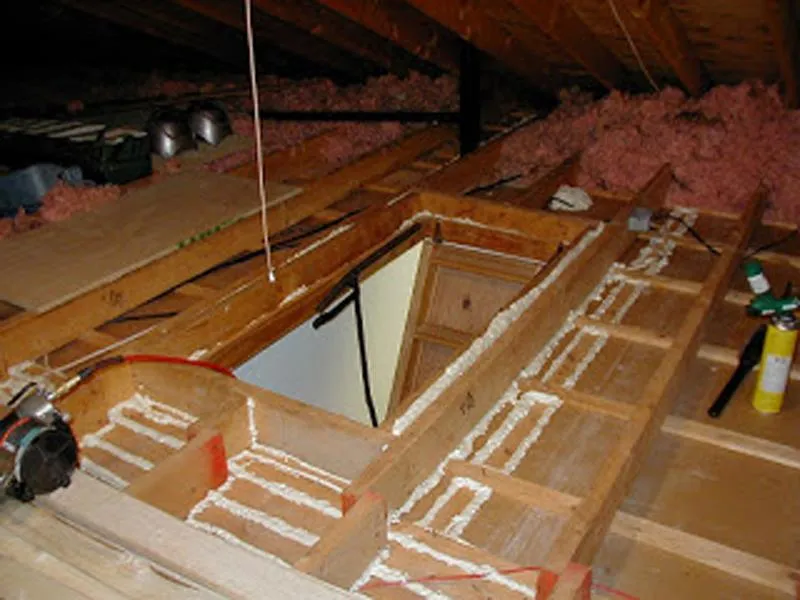
- Attic access hatches, doors, and drop-down stairs
- Around recessed lights and ceiling fans
- Around windows and exterior doors
- Cracks, gaps, and holes in drywall or plaster
- Around electrical outlets and switches
- Sump pump holes and floor drains
- Bathroom exhaust fans and kitchen vents
- Leaky basement windows and frames
- Rim joists in the basement or crawl space
- Gaps where siding meets the foundation
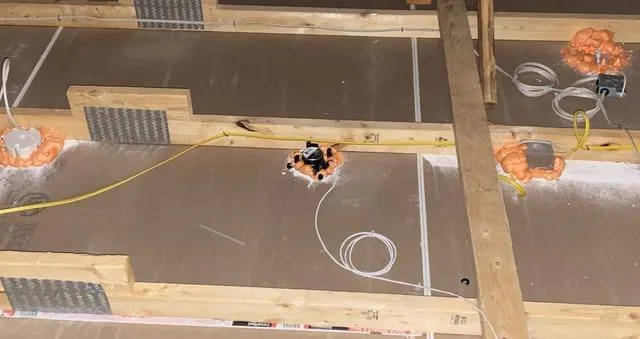
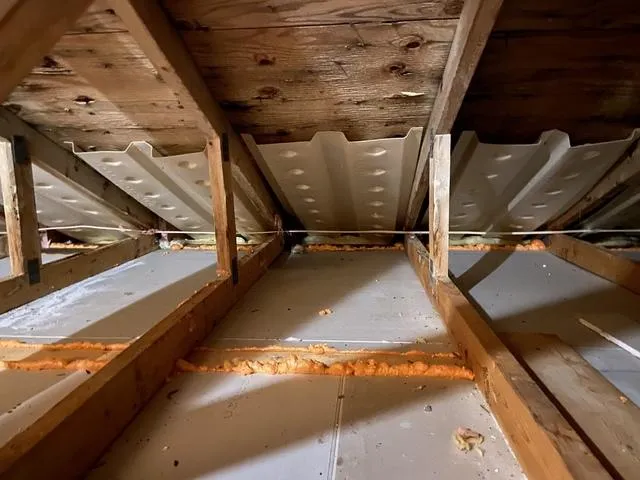
Air Sealing and Insulation Go Hand in Hand
While air sealing stops outside air from infiltrating your home, insulation restricts temperature transfer through your walls and roof. Neither one alone is enough to fully reduce heat flow. Upgrading both together dramatically enhances their combined impact on your comfort and energy bills.
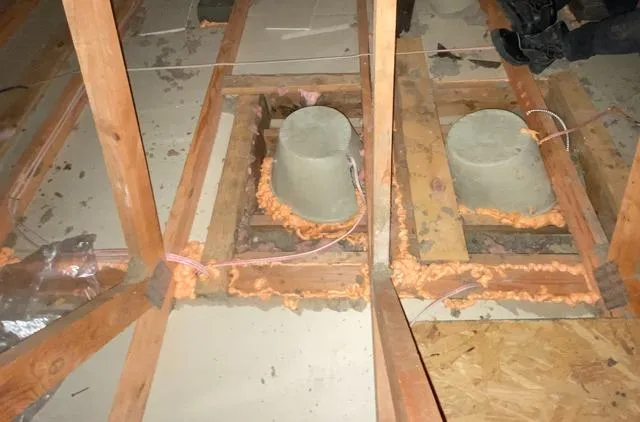
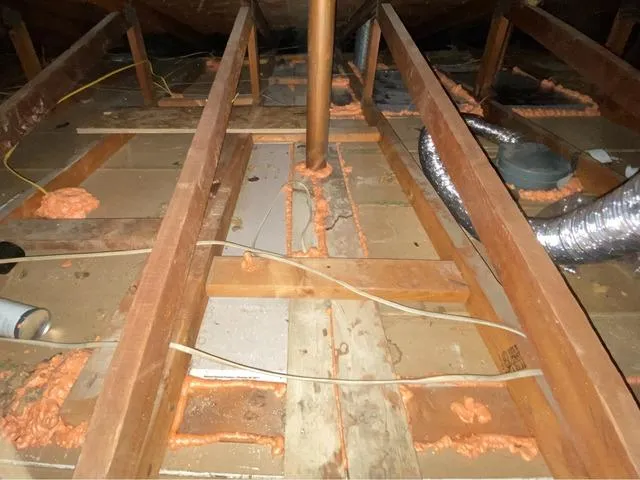
We typically air seal the attic first, since this is where the most significant leakage occurs. The basement and crawl space areas are our second priority, eliminating a major source of cold air infiltration. Fiberglass insulation is too light to stop air movement on its own, but spray foam insulation can effectively reduce air leakage while also adding insulation value.
When air sealing and insulation upgrades are combined, homeowners can potentially cut heating and cooling costs in half.
50%
Potential Bill Reduction
15%
EPA Average Savings
2x
Blower Door Tests (Before & After)
Free
Inspection & Estimate
Issues That Air Sealing Solves
By effectively sealing your home, you reduce reliance on your HVAC system and may also notice improved air quality, fewer pest problems, and consistent comfort in every room.
Fluctuating Room Temperatures
Rooms that are too hot or too cold compared to the rest of the house
Drafts Throughout the House
Noticeable air movement near walls, windows, doors, and outlets
Cold Floors in the Morning
Floors that feel cold underfoot, especially above basements and crawl spaces
Rising Energy Bills
Monthly heating and cooling costs that keep climbing despite no change in usage
Ice Dams and Icicles
Ice buildup along rooflines caused by warm air escaping into the attic
Poor Indoor Air Quality
Dust, allergens, and outdoor pollutants entering your home through gaps and cracks
Excessive Indoor Moisture
Condensation on windows and damp areas caused by uncontrolled air movement
Pest Problems
Insects and rodents entering your home through unsealed gaps in the building envelope
Professional Air Sealing vs DIY
Compare professional air sealing with common DIY approaches to understand the difference in results.
| Feature | Professional Air Sealing | DIY Caulk & Weatherstrip | No Action |
|---|---|---|---|
| Leak Detection | Blower door + infrared imaging | Visual inspection only | None |
| Areas Addressed | Entire building envelope | Windows, doors, baseboards | None |
| Hidden Leaks (attic, rim joist) | Sealed with professional materials | Not accessible to most homeowners | Untreated |
| Energy Savings | Up to 50% (with insulation) | 5-10% | 0% |
| Ice Dam Prevention | Yes (stops attic heat loss) | No (misses attic leaks) | No |
| Verification | Before/after blower door test | No measurement | No measurement |
| Rebates Available | Yes (NYSERDA EmPower+) | No | No |
Air Sealing Questions
Common questions about professional air sealing for NYC homes.
What is air sealing and why does my home need it?
Air sealing is the process of finding and closing gaps, cracks, and holes in your home's building envelope that allow outside air to enter and conditioned air to escape. Even well-built homes have hundreds of small leaks around plumbing penetrations, electrical outlets, recessed lights, attic hatches, and rim joists. These leaks waste energy, create drafts, and make your HVAC system work harder than it needs to.
How do you find air leaks in my home?
We use a diagnostic tool called a blower door test that depressurizes your home to measure the total air leakage rate. Combined with infrared thermal imaging cameras, we can see exactly where warm air is escaping. This allows us to target the largest leaks first for maximum impact. After sealing, we run a second blower door test to verify the improvement.
How much does air sealing cost in NYC?
Air sealing costs vary based on the size of your home and the extent of leakage. NY Energy Project provides free energy audits and estimates. Many NYC homeowners qualify for rebates or even free improvements through the NYSERDA EmPower+ program. The work also pays for itself through lower heating and cooling bills, often within the first few years.
Can I seal air leaks myself with caulk and weatherstripping?
DIY caulking around windows and doors helps, but the biggest air leaks are hidden inside walls, attics, and basements where they are difficult to access without professional equipment. Sealing around can lights, plumbing penetrations, chimney chases, and rim joists requires specialized materials like expanding spray foam and fire-rated sealants. Professional air sealing addresses the full building envelope.
Will air sealing make my home too airtight?
No. Homes need controlled ventilation, but they do not need uncontrolled air leaks. After air sealing, your home still exchanges air through intentional ventilation paths like bathroom fans and range hoods. The difference is that air enters and exits where you want it to, not through random cracks in your attic or basement. We verify safe ventilation rates during our blower door testing.
Should I air seal before or after adding insulation?
Always air seal first. Insulation slows heat transfer, but it does not stop air movement. If you add insulation over unsealed gaps, warm air will still flow through the insulation and escape. We always seal air leaks in the attic, basement, and rim joists before adding insulation to ensure both systems work together at peak performance.
Related Services
Air sealing works best when combined with insulation upgrades for maximum energy savings and comfort.
Attic Insulation
After sealing attic air leaks, adding insulation to R-49 maximizes energy savings and keeps your home comfortable year-round.
View attic insulationIce Dam Prevention
Air sealing the attic is the single most effective step to prevent ice dams. Learn about our complete ice dam prevention approach.
View ice dam preventionFree Home Energy Audit
Our comprehensive energy audit includes blower door testing and thermal imaging to identify every air leak and insulation gap in your home.
View energy auditAir Sealing Services Across NYC
NY Energy Project provides professional air sealing services throughout Brooklyn, Queens, Staten Island, the Bronx, Manhattan, and the surrounding areas.


BPI-certified & NYSERDA EmPower+ participating contractor
Stop Losing Conditioned Air Today
Do not let any more of your heated or cooled air escape through hidden gaps and cracks. Our comprehensive home energy audit can also determine if your home qualifies for energy-efficient upgrades, and some homeowners may even qualify for free improvements through NYSERDA programs. Schedule your free inspection today.
