
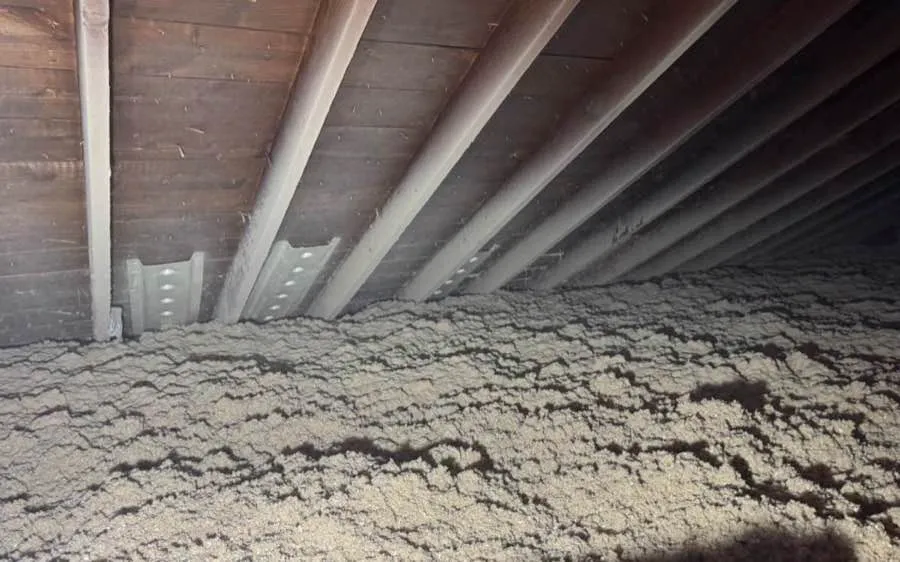
Attic Insulation
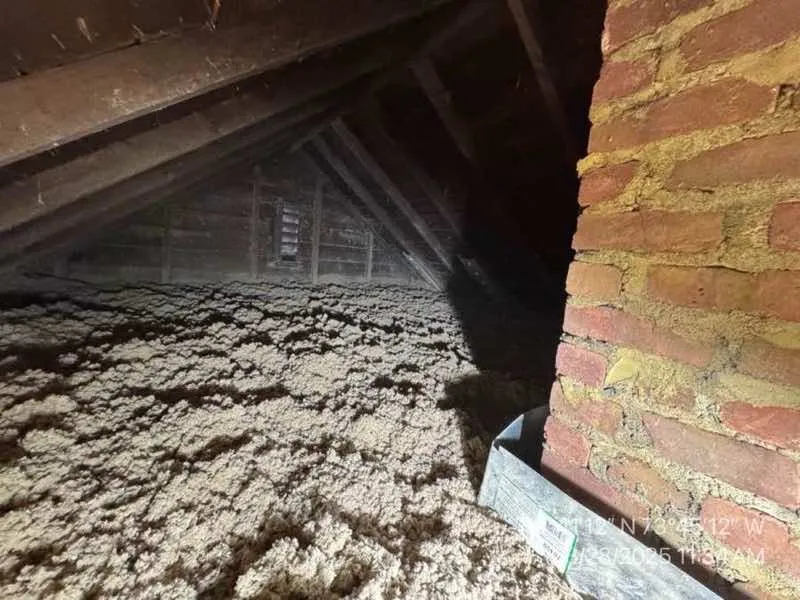
Your attic is the biggest source of energy loss in your home. Upgrading attic insulation is a simple, cost-effective way to improve comfort and cut heating and cooling costs by as much as 40%. NY Energy Project is NYC's trusted attic insulation company.
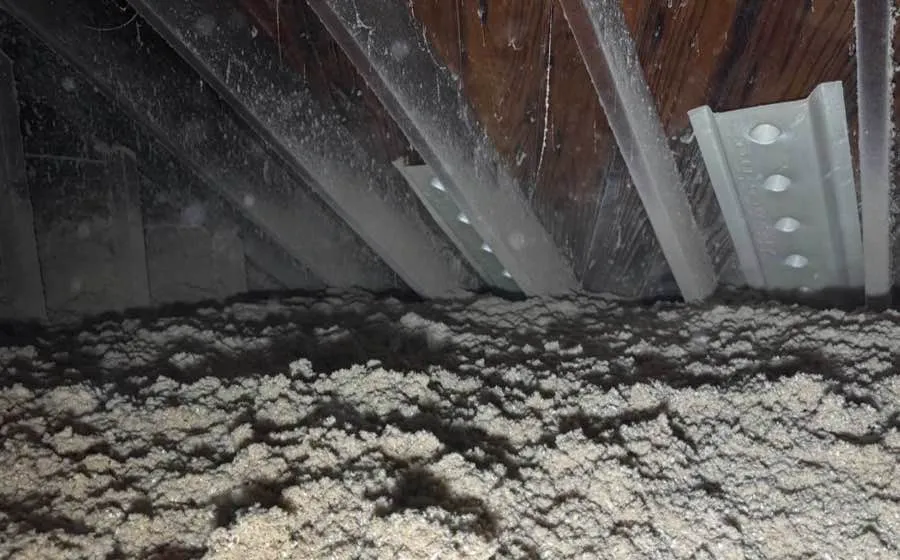
NYC's Experts for Attic Insulation Upgrades
High utility bills and rooms that swing from too hot in summer to too cold in winter are common signs that your attic is under-insulated. When you contact NY Energy Project, we inspect your current insulation levels and recommend the best solution for your home's design and your specific needs.
-
Multiple Insulation Options
We install spray foam, cellulose, blown-in fiberglass, and more. Our team recommends the best material for your attic based on its layout and your energy goals.
-
Free Inspections & Estimates
Every project starts with a no-cost attic inspection where we measure existing insulation levels and identify problem areas before recommending a solution.
-
Blower Door Testing
We use blower door diagnostics to pinpoint hidden air leaks between your living space and attic, so every gap is sealed before new insulation is added.
-
BPI-Certified Installers
Our technicians hold BPI certification and follow building science best practices to ensure your attic insulation performs at its full potential.
Signs Your Attic Needs More Insulation
-
Rooms below the attic get too hot in summer or too cold in winter, even when other areas stay comfortable
-
Heating and cooling bills are higher than expected
-
Cold drafts near ceilings and walls during winter months
-
Recessed can lights in the ceiling directly below the attic
-
Attic floor joists are visible above or between existing insulation
-
Less than 10 inches of insulation on the attic floor
-
Ductwork in the attic sits exposed above the insulation layer
40%
Heating & Cooling Savings
R-49
Minimum Recommended
R-60
Ideal for NY Homes
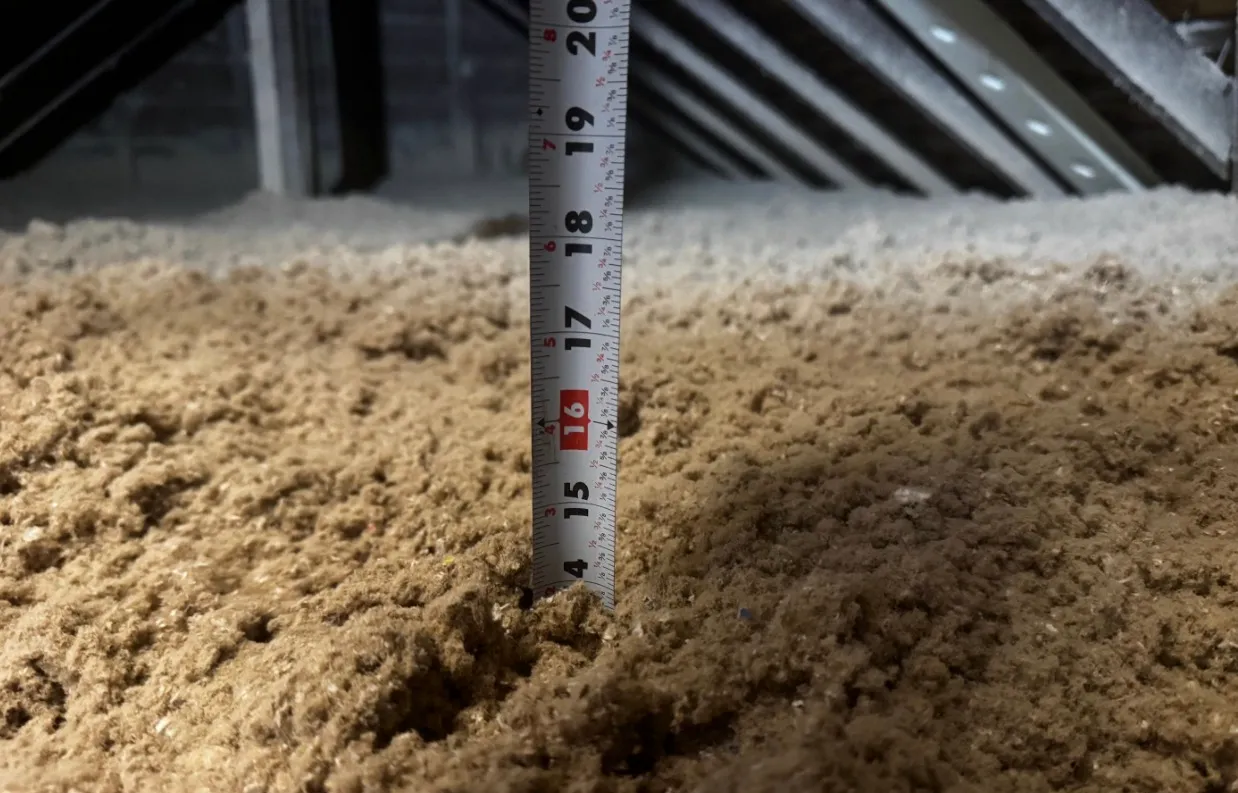
16"
DOE Recommended Depth
Seal Air Leaks First for Maximum Savings
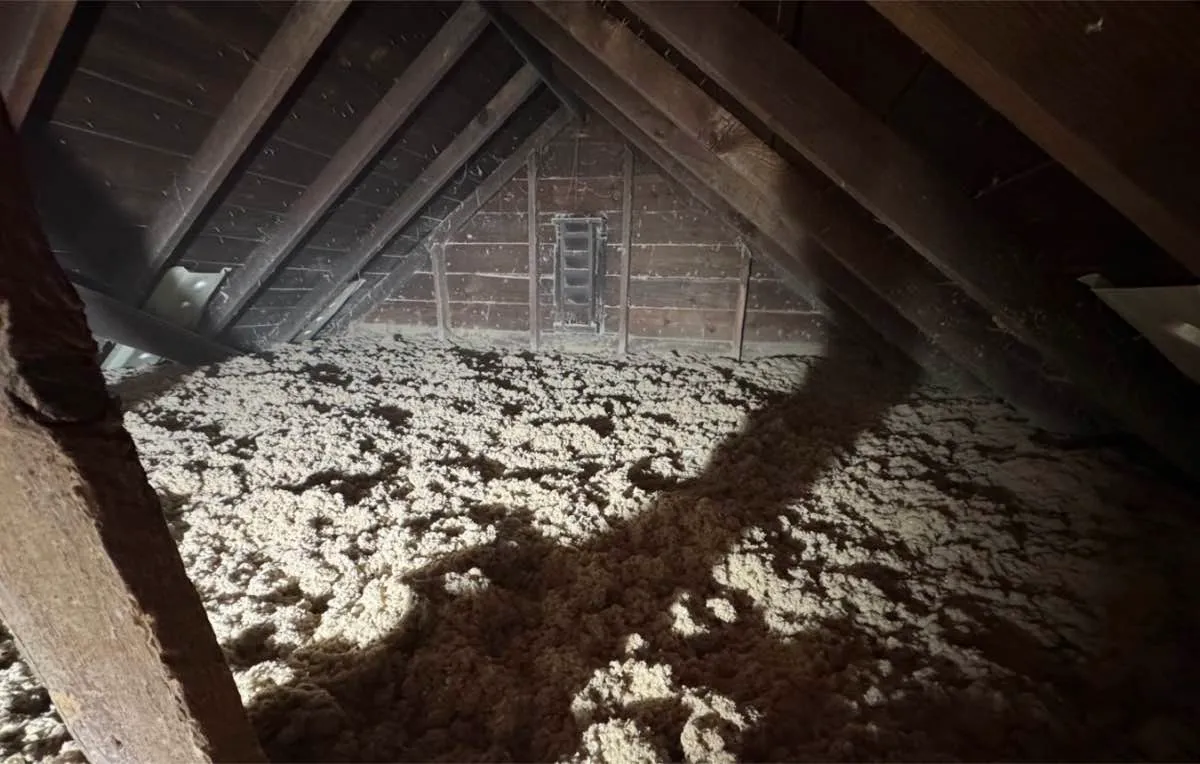
Adding insulation without sealing air leaks is like adding a thicker blanket to a bed that has no sheets. Conditioned air escapes through gaps around wiring, plumbing, recessed lights, and ductwork before insulation can do its job. That is why air sealing is a critical first step in any attic insulation upgrade.
Insulation performance is measured by R-value. The higher the R-value, the better it resists heat flow. Many NYC homes have as little as 9 inches of attic insulation, while the U.S. Department of Energy recommends 16 inches, or between R-49 and R-60, for homes in New York.
NY Energy Project uses a variety of materials and techniques to stop energy-wasting air leakage, ensuring continuous, airtight coverage. When air sealing is paired with proper insulation, homeowners typically see energy bill reductions of up to 40%.
Greater Comfort
Eliminate hot and cold spots throughout your home.
Lower Noise Levels
Reduce outside noise that enters through attic gaps.
Better Humidity Control
Prevent moisture from migrating into living spaces.
Less HVAC Strain
Reduce the workload on your heating and cooling system.
Cleaner Indoor Air
Stop dust, pollen, and pollutants from entering through leaks.
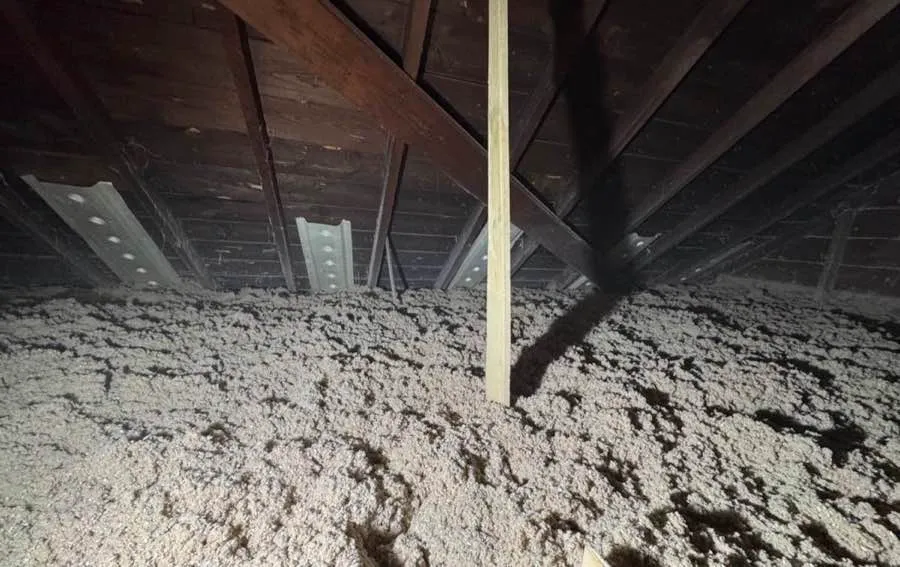
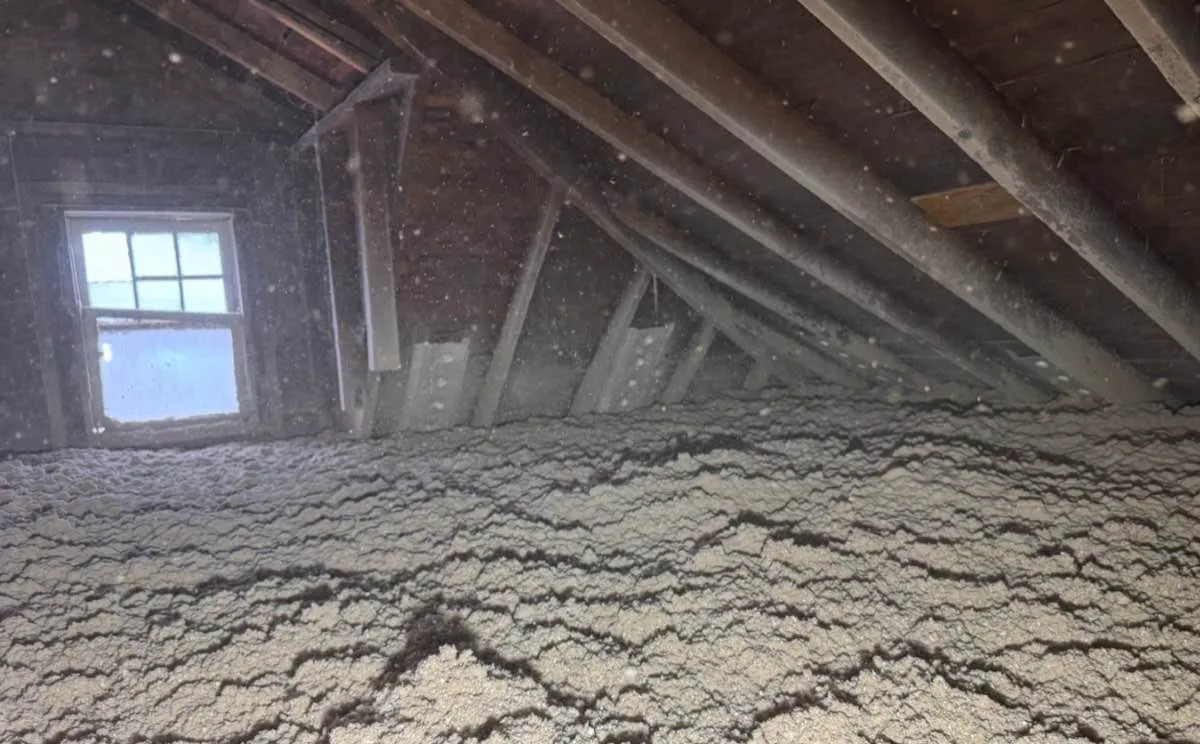
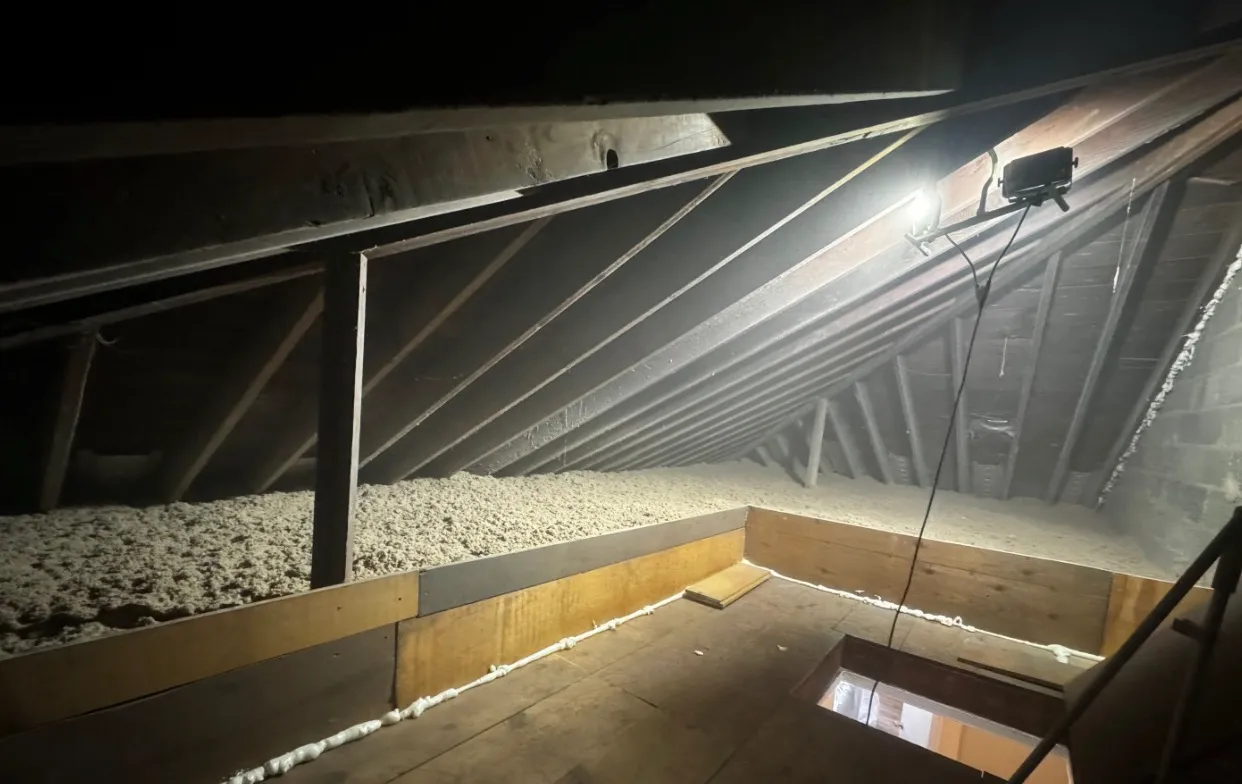
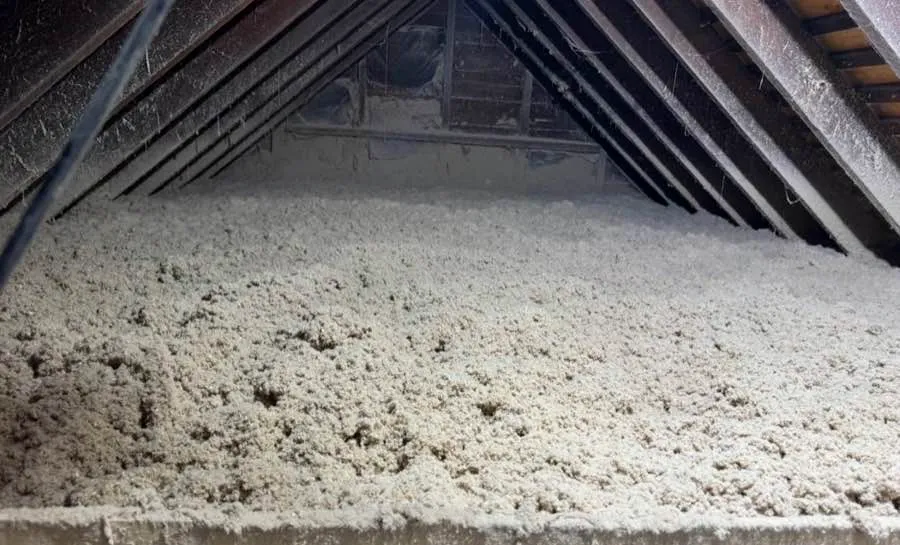
How We Upgrade Your Attic Insulation
Inspect
We inspect your attic, measure existing insulation depth, and use a blower door test to locate hidden air leaks.
Air Seal
We seal all gaps around wiring, plumbing, recessed lights, and ductwork to prevent conditioned air from escaping into the attic.
Insulate
We install the recommended insulation material, whether spray foam, cellulose, or blown-in fiberglass, to reach the proper R-value.
Verify
We measure the installed insulation depth and run a final blower door test to confirm your attic meets or exceeds the recommended R-value.
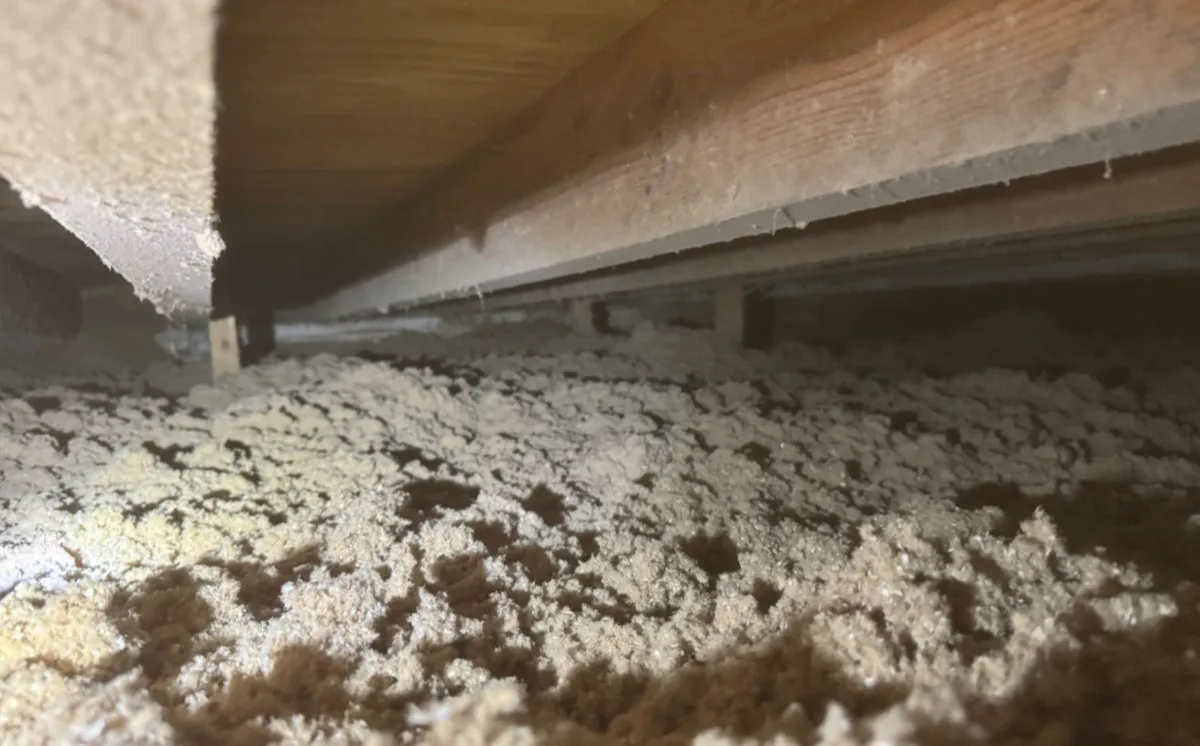
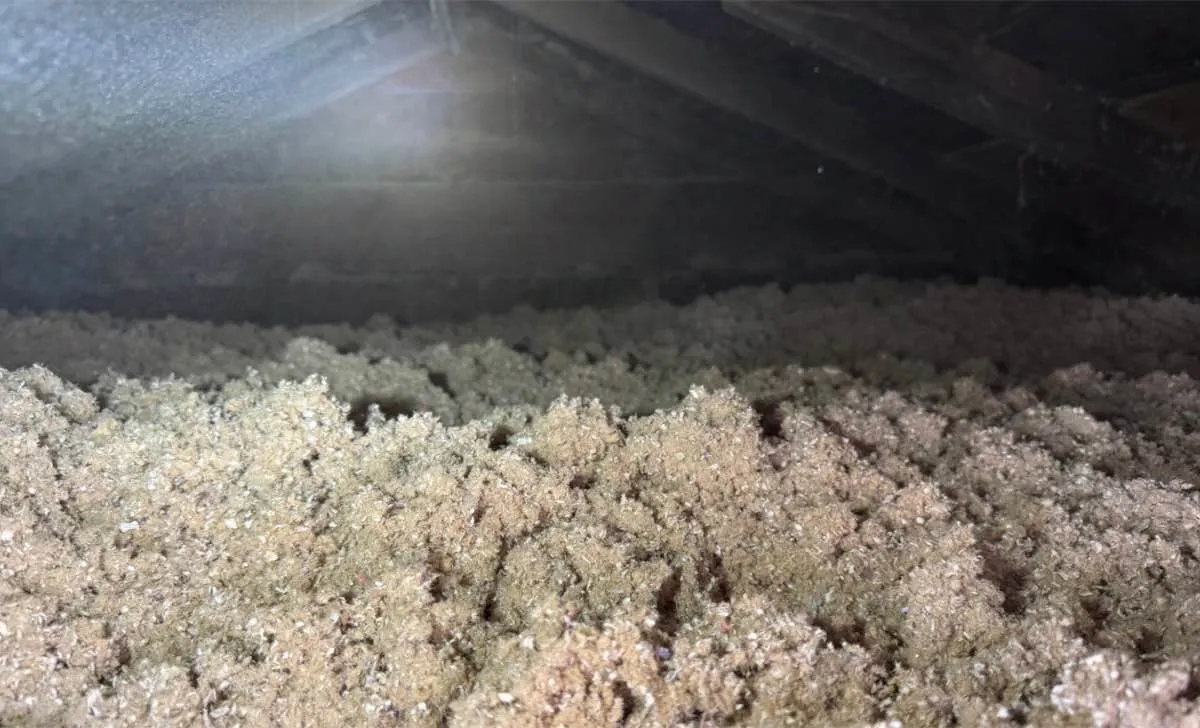
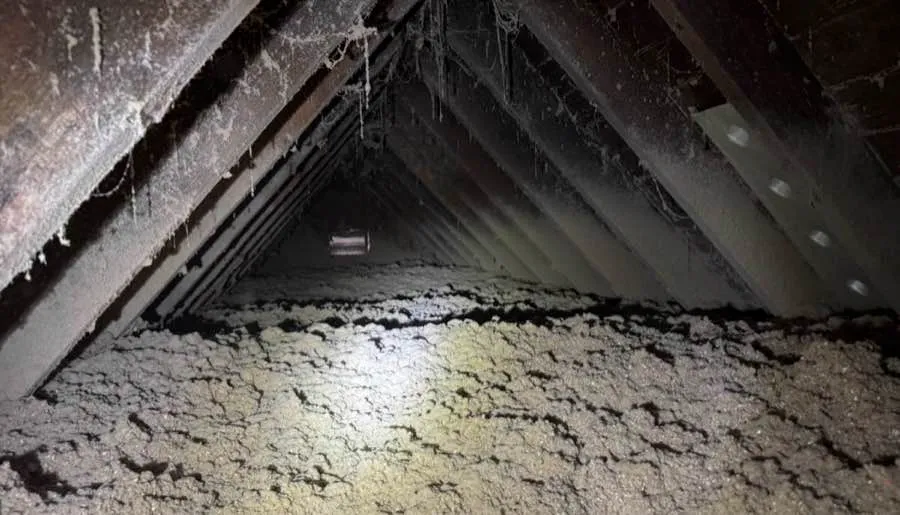
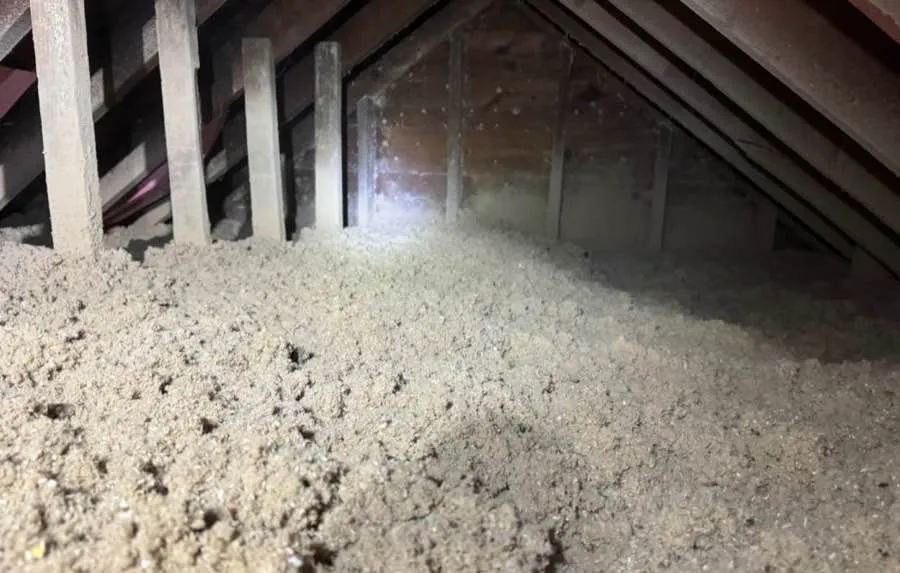
Best Insulation Materials for NYC Attics
Compare the insulation materials we install in attics to find the best option for your home.
| Feature | Blown Fiberglass | Blown Cellulose | Spray Foam (Roof Deck) | Fiberglass Batts |
|---|---|---|---|---|
| R-Value Per Inch | R-3.2 | R-3.7 to R-4 | R-6.2+ | R-3.2 |
| Depth for R-49 | ~16 inches | ~14 inches | ~8 inches | ~16 inches |
| Attic Application | Attic floor | Attic floor | Roof deck underside | Attic floor |
| Creates Conditioned Attic | No | No | Yes | No |
| Prevents Ice Dams | With air sealing | With air sealing | Yes, built-in | With air sealing |
| Installation Speed | Same day | Same day | 1-2 days | 1-2 days |
| Cost | Most affordable | Affordable | Premium | Low |
Attic Insulation Questions
Common questions about attic insulation, air sealing, R-values, and warning signs.
How do I know if my attic needs more insulation?
Common signs include rooms below the attic that are too hot in summer or too cold in winter, higher than expected energy bills, visible attic floor joists above existing insulation, and less than 10 inches of insulation on the attic floor. If ductwork in the attic sits exposed above the insulation layer, that is another clear indicator. NY Energy Project offers free attic inspections to measure your current insulation levels.
What R-value should my attic insulation have in NYC?
The U.S. Department of Energy recommends R-49 to R-60 for attics in New York (Climate Zone 4). This typically means 16 or more inches of insulation on the attic floor. Many older NYC homes have as little as R-11 to R-19, well below what is needed for energy efficiency and comfort.
Why is attic air sealing important before adding insulation?
Adding insulation without sealing air leaks is like wearing a sweater full of holes. Warm air escapes through gaps around wiring, plumbing, recessed lights, and ductwork. Air sealing these penetrations first ensures the new insulation can perform at its full potential. When combined, air sealing and insulation can reduce heating and cooling costs by up to 40%.
What insulation material is best for attics?
The best material depends on your attic layout and goals. Blown-in cellulose and fiberglass are cost-effective for open attic floors. Spray foam is ideal for sealing and insulating the roof deck to create a conditioned attic space. Our BPI-certified technicians evaluate your attic and recommend the right material for your specific situation.
How much does attic insulation cost in NYC?
Attic insulation costs vary based on the size of the attic, the material chosen, the R-value target, and whether old insulation needs to be removed. NY Energy Project provides free attic inspections and estimates. Many NYC homeowners qualify for significant rebates through the NYSERDA EmPower+ program, which can dramatically reduce out-of-pocket costs.
Can attic insulation help with ice dams?
Yes. Ice dams form when heat escaping through the attic melts snow on the roof unevenly. Proper attic insulation combined with air sealing keeps heat inside the living space and the roof deck cold, preventing the uneven snowmelt that causes ice dams. This is especially important for older Brooklyn and Queens row houses prone to ice damming.
Attic Insulation Materials We Install
We install multiple insulation materials in attics. Learn about each option to find the best fit for your home.
Cellulose Insulation
Made from 85% recycled paper, cellulose is blown onto attic floors for excellent thermal coverage and eco-friendly performance.
View cellulose insulation detailsBlown-In Insulation
The blown-in installation method is the fastest way to upgrade attic insulation. Same-day install with fiberglass or cellulose.
View blown-in installation processSpray Foam Insulation
Applied to the roof deck to create a sealed, conditioned attic. Highest R-value per inch with built-in air barrier.
View spray foam insulation servicesAttic Insulation Services Across NYC
NY Energy Project provides professional attic insulation services throughout Brooklyn, Queens, Staten Island, the Bronx, Manhattan, and the surrounding areas.


NY Energy Project is a BPI-certified contractor and participating contractor in NYSERDA's EmPower+ program.
Schedule Your Free Attic Insulation Estimate
We start with a thorough attic inspection and home energy assessment to identify the source of your comfort and energy problems. Then we recommend the best insulation solution for your home. Schedule your free inspection today.
