
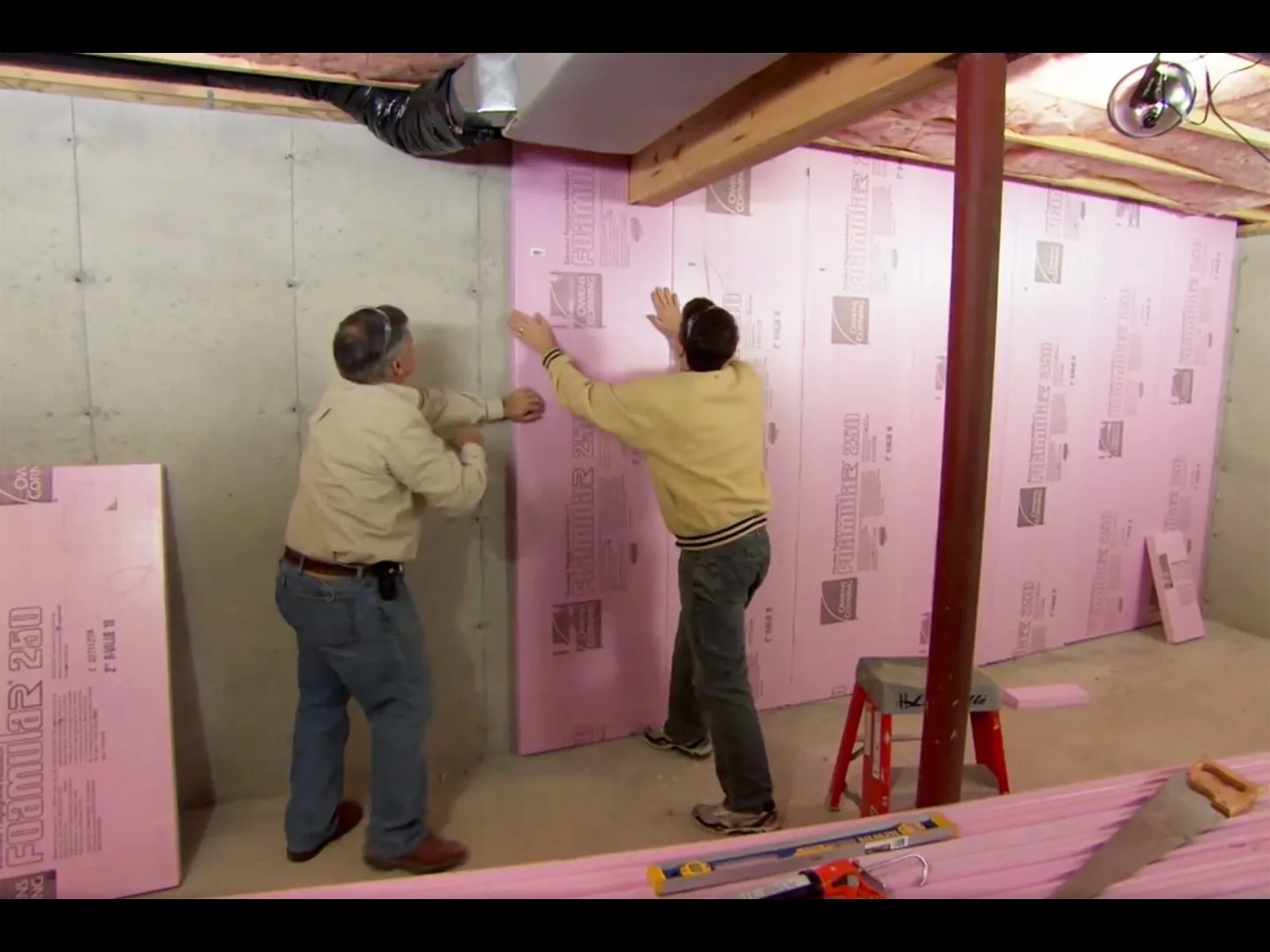
Basement Insulation
A properly insulated basement transforms a damp, cold space into a drier, more comfortable extension of your home. It also eliminates mold and humidity problems while lowering your heating and cooling costs.
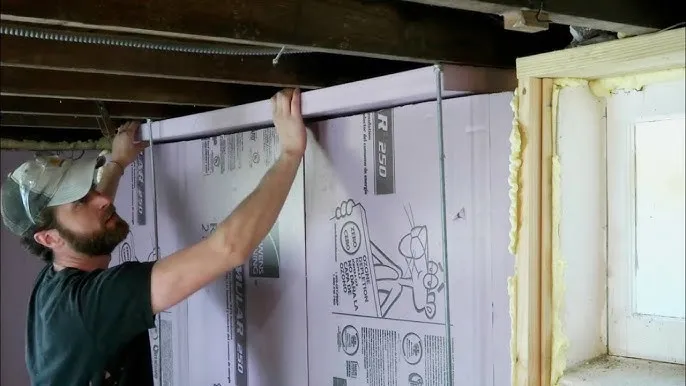
Why Insulate Your Basement?
You may already have fiberglass batts installed between your basement ceiling joists. But ceiling insulation only helps insulate the upstairs space. It does nothing to make your basement itself more comfortable or to address moisture problems below.
If you want to transform an underused basement into livable space, or simply stop the cold and dampness from affecting the rest of your home, a comprehensive basement insulation upgrade is the place to start.
Benefits of a Properly Insulated Basement
Basement insulation delivers benefits that extend well beyond the basement itself, improving comfort and efficiency throughout your entire home.
Improved Comfort Upstairs and Down
A properly insulated basement eliminates cold floors above and creates a more stable temperature throughout your entire home.
No More Mold and Mildew
Insulation combined with air sealing controls moisture levels in your basement, eliminating the conditions that allow mold and mildew to thrive.
Stop Cold Air Infiltration
Sealing and insulating your basement prevents cold winter air from entering through foundation cracks, rim joists, and utility penetrations.
Lower Heating and Cooling Costs
An uninsulated basement can account for up to 30% of a home's total heat loss. Proper insulation significantly reduces your monthly energy bills.
Gain Usable Living Space
Transform your damp, cold basement into a comfortable space you can actually use, whether as a home office, playroom, gym, or entertainment area.
Protect Your Home's Structure
Controlling moisture and temperature in the basement helps prevent wood rot, rust, and foundation deterioration over time.
Three Ways to Insulate Your Basement
Each basement is different. We evaluate your space and recommend the right combination of insulation methods to deliver the best results.
Seal and Insulate the Rim Joist
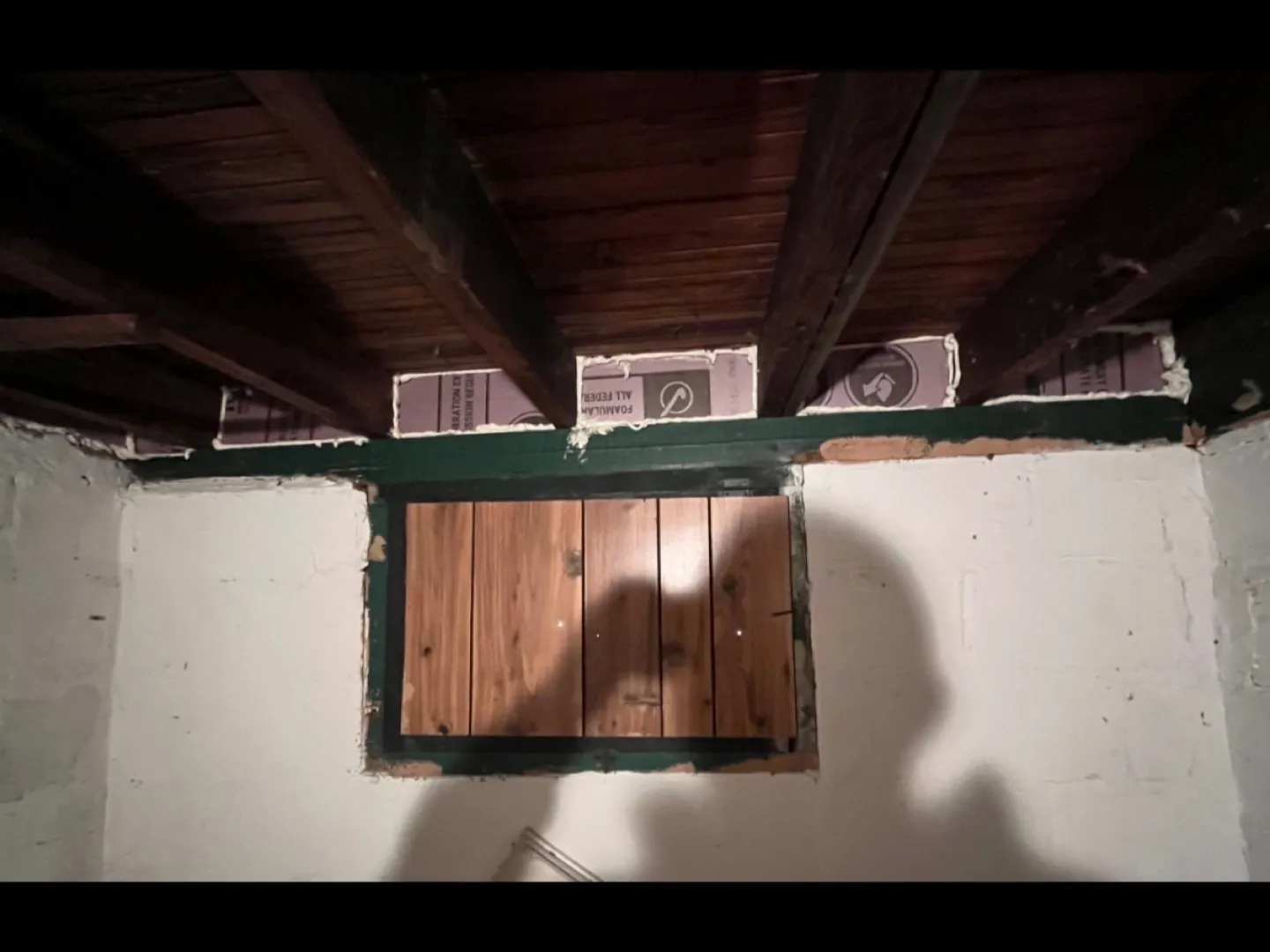
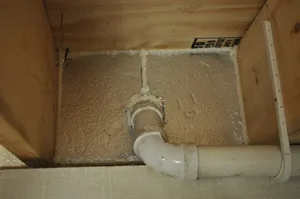
The edge of the house where the floor framing rests on the foundation is a major source of air leakage and energy loss. It is especially severe where plumbing, wiring, and dryer vents penetrate to the exterior. We eliminate this problem by sealing and insulating the rim joist to stop air leaks, pests, and significant heat loss.
Insulate Foundation Walls
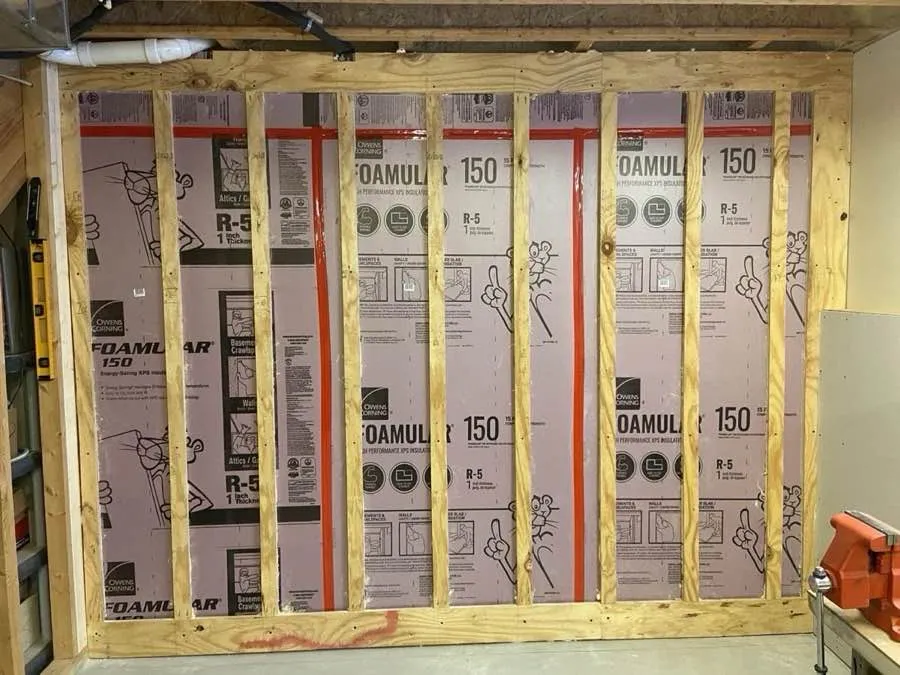
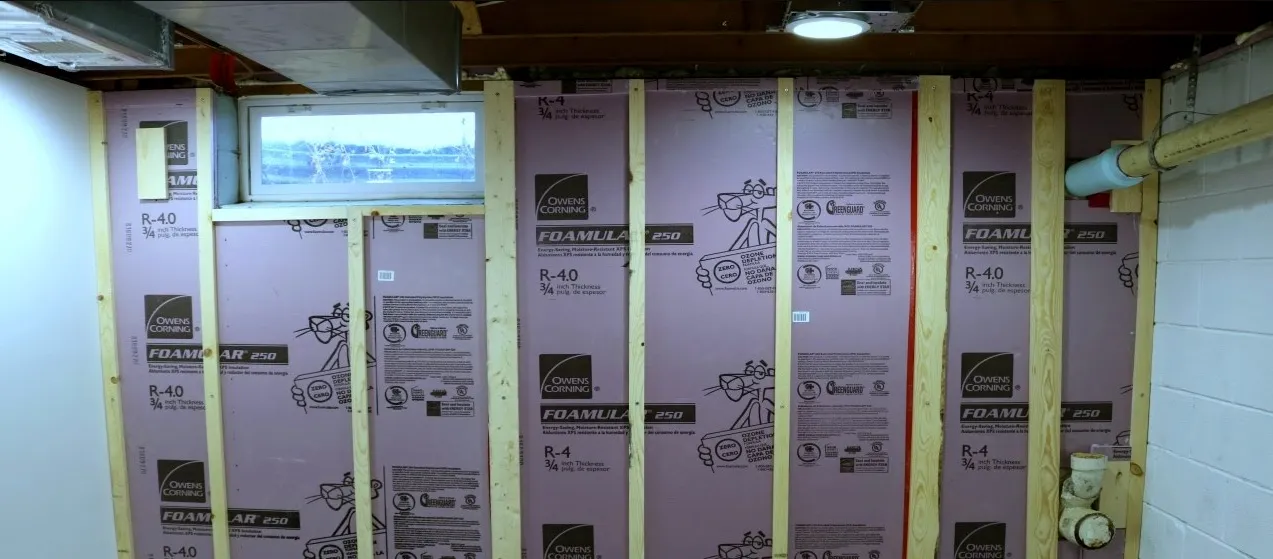
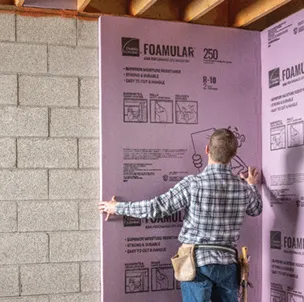
Rigid foam insulation is the best choice for your basement's concrete or masonry walls. Unlike fiberglass batts, rigid foam will not absorb water or be damaged by it. It will not compress, fall out of place, or lose R-value over time. We install waterproof rigid foam panels that deliver lasting performance in below-grade environments.
Insulate the Basement Floor
Cold concrete floors make basements uncomfortable even after the walls are insulated. We install insulated floor decking designed specifically for below-grade applications. Unlike wood subflooring, insulated decking cannot be damaged by moisture and will never attract mold or rot, making it the ideal substrate for a warm, long-lasting basement floor.
Signs Your Basement Needs Insulation
Not sure if your basement insulation is adequate? These are the most common indicators that your basement is costing you comfort and money.
-
Basement feels noticeably colder than the rest of your home
-
Musty or damp smell in the basement
-
Visible mold or mildew on walls, floor, or ceiling
-
Cold floors on the first story above the basement
-
Fiberglass batts sagging or falling from the ceiling joists
-
High heating bills despite running the furnace constantly
30%
Of Heat Lost Through Basement
R-15
Recommended Wall R-Value
BPI
Certified Installers
Free
Estimates & Energy Audits
Basement Insulation Methods Compared
Compare the three most common insulation methods for basement walls to understand which performs best below grade.
| Feature | Rigid Foam Board | Spray Foam | Fiberglass Batts |
|---|---|---|---|
| R-Value Per Inch | R-5 to R-6.5 | R-3.5 to R-6.5 | R-3.1 to R-3.7 |
| Moisture Resistance | Excellent | Excellent (closed-cell) | Poor (absorbs water) |
| Mold Resistance | Will not support mold | Will not support mold | Traps moisture, promotes mold |
| Best For | Foundation walls, floors | Rim joists, irregular gaps | Above-grade walls only |
| Longevity | Permanent, no degradation | Long-lasting | Sags and falls over time |
| Vapor Barrier | Built-in (foil-faced) | Closed-cell acts as barrier | Requires separate barrier |
| Cost | Mid-range | Premium | Most affordable |
Basement Insulation Questions
Common questions about insulating basements in NYC homes.
What is the best insulation for basement walls in NYC?
Rigid foam board insulation is the best choice for basement walls in NYC. Unlike fiberglass, rigid foam does not absorb moisture, will not support mold growth, and maintains its full R-value permanently in the damp below-grade environment. We typically install polyiso or XPS panels that deliver R-5 to R-6.5 per inch while acting as a built-in vapor barrier.
Should I insulate basement walls or the basement ceiling?
Insulating the walls is almost always the better choice. Ceiling insulation only helps keep the floor above warm. It does nothing to address moisture, mold, or temperature problems in the basement itself. Wall insulation creates a conditioned space, reduces humidity throughout the home, and gives you usable square footage that ceiling insulation cannot.
How much does basement insulation cost in NYC?
Basement insulation costs depend on the size of the space, the materials used, and whether rim joist sealing and floor insulation are included. NY Energy Project provides free energy audits and estimates. Many NYC homeowners qualify for rebates through the NYSERDA EmPower+ program that can significantly offset the cost of the project.
Will basement insulation help with mold and moisture?
Yes. Mold needs moisture and organic material to grow. Rigid foam insulation does not absorb water and provides no food source for mold. When combined with proper air sealing at the rim joist and utility penetrations, basement insulation dramatically reduces the humidity levels that cause mold, mildew, and musty odors.
How long does basement insulation take to install?
Most basement insulation projects take one to three days depending on the size of the basement and the scope of work. A straightforward wall insulation project in a standard NYC basement can often be completed in a single day. Projects that include rim joist sealing, floor insulation, and air sealing may require additional time.
Can I finish my basement after insulation is installed?
Absolutely. Rigid foam panels on the walls provide a clean, flat surface that can be covered with drywall or paneling for a finished look. The insulation eliminates the moisture and temperature problems that make basements uncomfortable, so you can confidently convert the space into a home office, playroom, gym, or entertainment area.
Related Insulation Services
Basement insulation works best as part of a complete home energy solution. Explore our other services.
Rigid Foam Insulation
Learn about polyiso, XPS, and EPS foam boards. Rigid foam is the top material for basement walls, crawl spaces, and below-grade applications.
View rigid foam insulationCrawl Space Insulation
Crawl spaces share many of the same moisture and temperature challenges as basements. Insulating both areas creates a fully conditioned lower level.
View crawl space insulationAir Sealing
Air sealing the rim joist, utility penetrations, and foundation cracks is essential for maximizing the performance of basement insulation.
View air sealingBasement Insulation Services Across NYC
NY Energy Project provides professional basement insulation services throughout Brooklyn, Queens, Staten Island, the Bronx, Manhattan, and the surrounding areas.


BPI-certified & NYSERDA EmPower+ participating contractor
Get a Free Basement Insulation Estimate
If you want to make more and better use of your basement space, insulation upgrades should be a top priority. NY Energy Project has the expertise and the right materials to get the job done. Schedule your free inspection and estimate today.
