
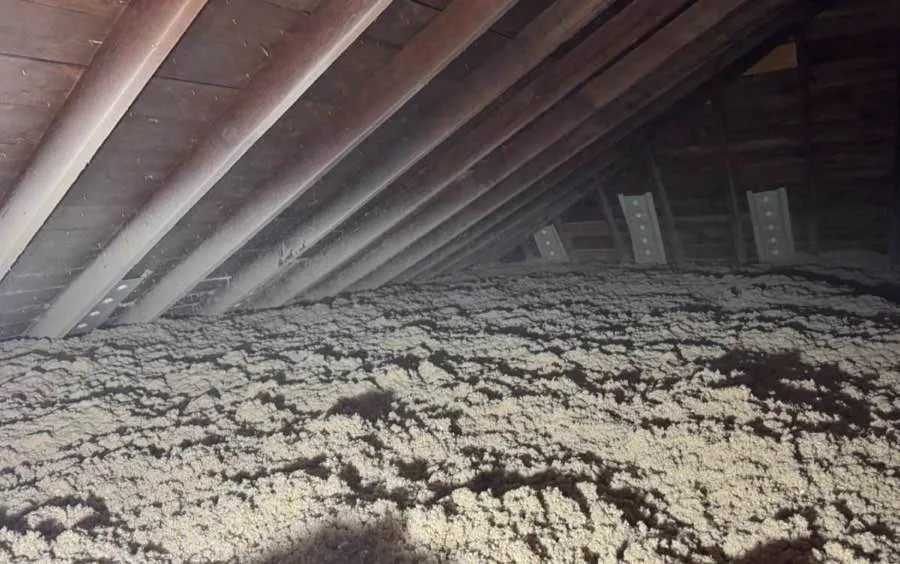
Blown-In Insulation
Most attics have less than R-20 insulation, but the U.S. Department of Energy recommends R-49 or more for northern states. Blown-in insulation is the fastest, most affordable way to close that gap and cut your heating and cooling costs by up to 40%.
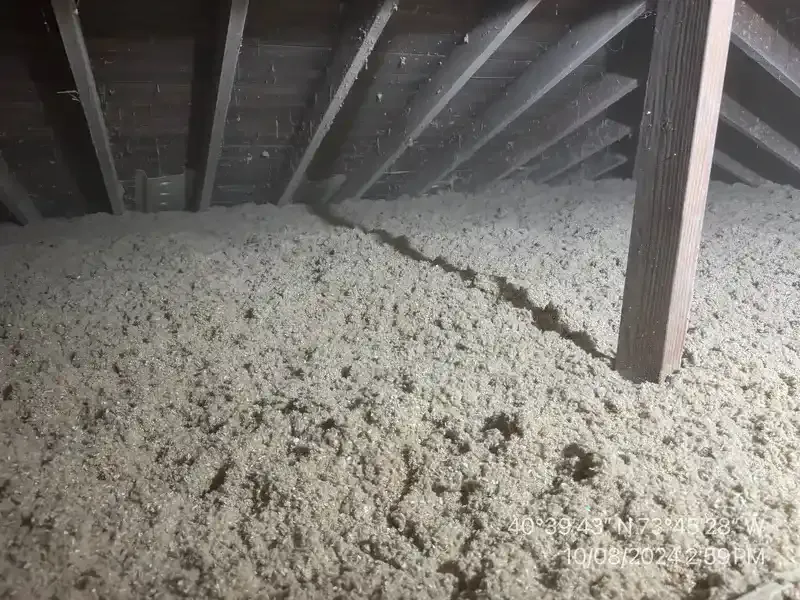
Why NYC Homeowners Choose Us for Blown-In Insulation
-
Experience With All Types
Our team is trained in both blown fiberglass and blown cellulose, so we recommend the best material for your specific situation.
-
Air-Sealing Prep Work
We seal air leaks between your living space and the attic before blowing insulation, maximizing energy savings.
-
Free Estimates & Fast Install
Get a no-cost consultation and estimate. Most attic insulation upgrades are completed in a single day.
-
Certified Installers
Our BPI-certified technicians follow industry best practices to ensure your insulation performs at its full potential.
A Cost-Effective Way to Lower Energy Bills
Heat movement and conditioned air leakage is virtually unimpeded across a poorly insulated attic floor. The combination of too little insulation and too much air leakage can waste a significant amount of energy every month. That is why home performance experts recommend that air-sealing improvements be combined with insulation upgrades for maximum results.
When attic air sealing is combined with a blown-in insulation upgrade, homeowners can reduce heating and cooling costs by as much as 40%. Both energy-saving upgrades can usually be completed in a single day, meaning you start saving right away with no disruption to your daily routine.
Once installed, there is no maintenance to worry about. A blown-in insulation upgrade is a once-and-done improvement you will enjoy for as long as you own your home.
40%
Heating & Cooling Savings
R-49
DOE Recommended Level
1 Day
Typical Installation Time
$0
Maintenance Required
How Blown-In Insulation Is Installed
Inspect
We evaluate your current insulation levels and identify air leaks between your living space and the attic.
Air Seal
Before adding insulation, we seal gaps around wiring, plumbing, and ductwork to prevent conditioned air from escaping.
Blow In
A blowing machine forces insulation through a flexible hose into the attic, where a technician directs the flow to achieve even coverage.
Verify
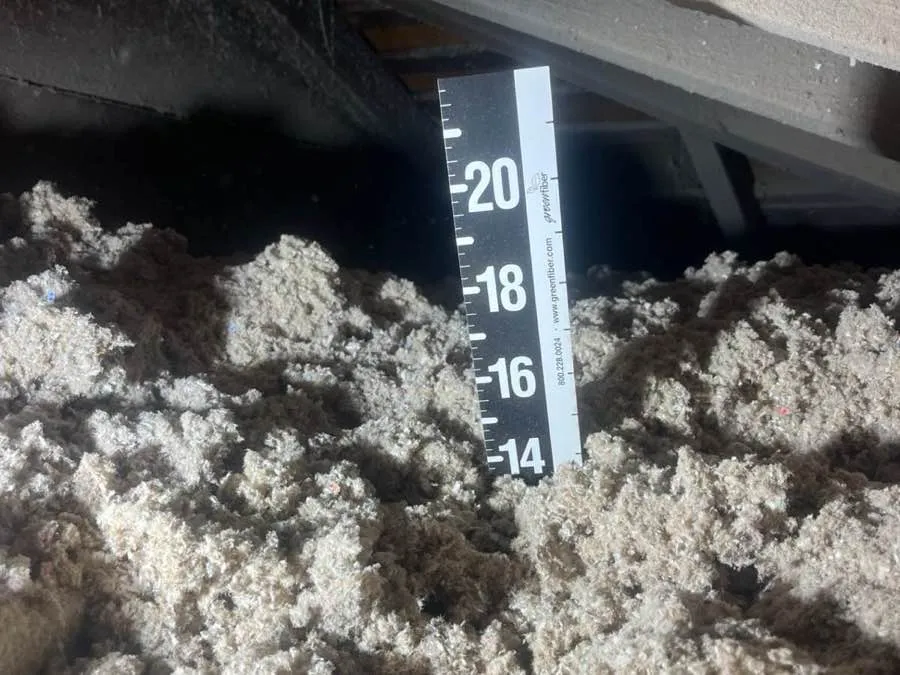
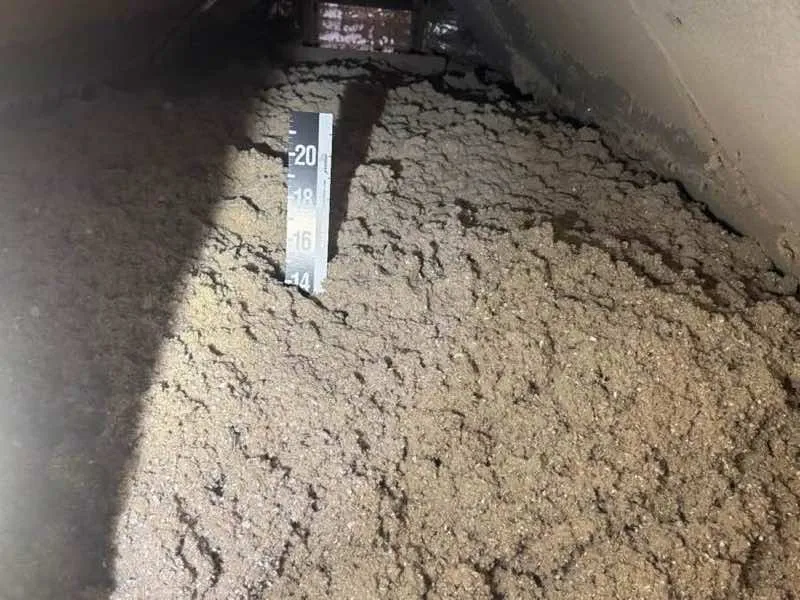
We measure the installed depth to confirm your attic meets or exceeds the recommended R-value for your climate zone.
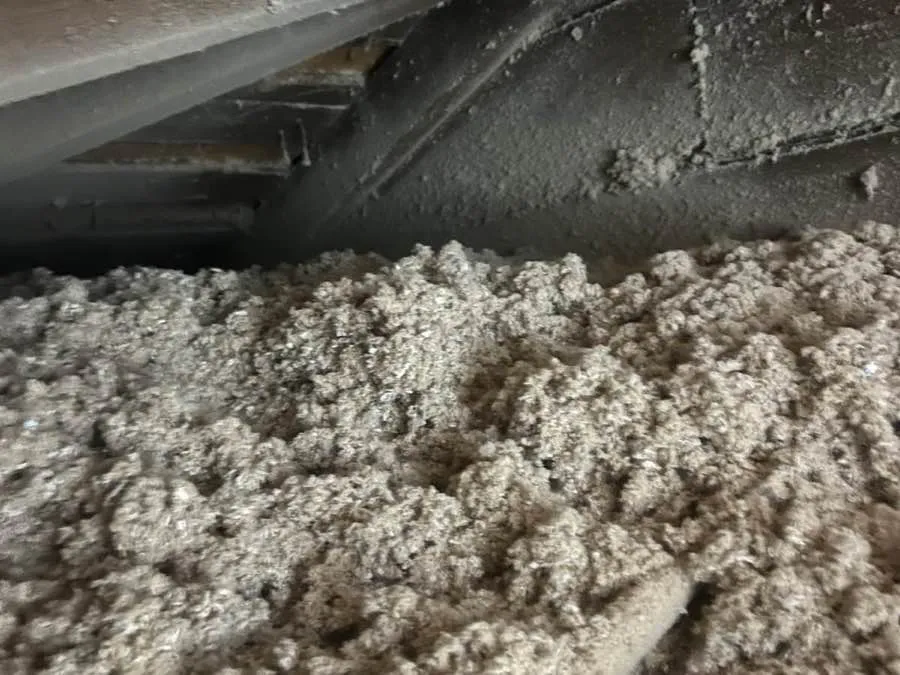
Two Proven Blown-In Insulation Materials
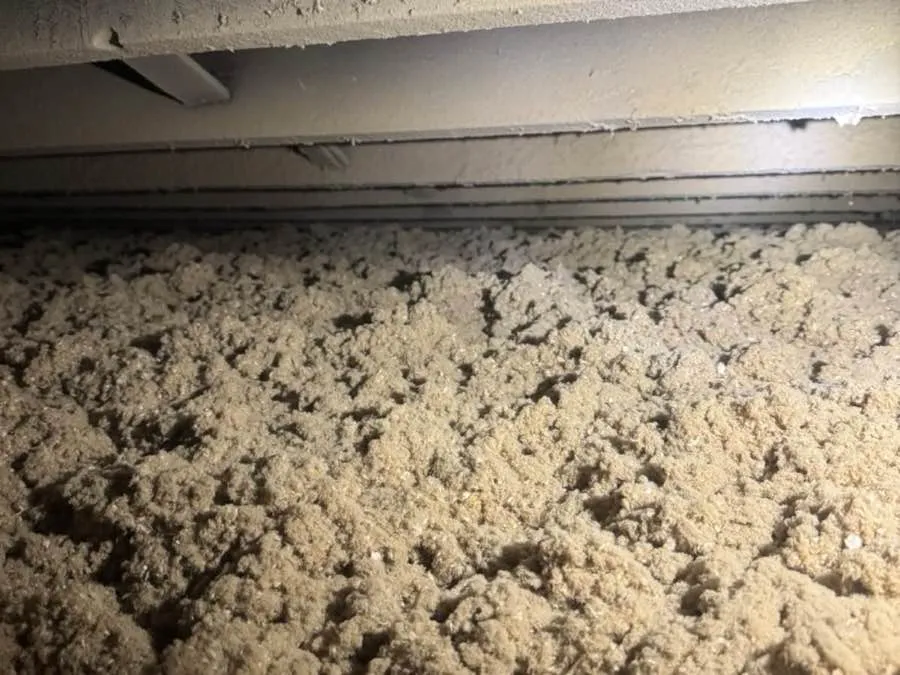
Both blown fiberglass and blown cellulose are effective insulation materials with similar R-values. The installation method is identical for both. We help you choose the right material based on your home and goals.
Blown Fiberglass
A lightweight, fluffy material that resists moisture and does not settle over time. Blown fiberglass is a reliable choice for open attic spaces where long-term stability matters.
Blown Cellulose
Made from 85% recycled paper and treated for fire and pest resistance. Cellulose conforms tightly to cavities and is ideal for both attic floors and enclosed wall spaces.
For the best results, we remove old attic insulation and perform air sealing before installing new blown-in insulation. This ensures there are no hidden air leaks undermining your investment and delivers the full comfort and energy savings you deserve.
Blown-In vs. Other Installation Methods
Compare blown-in insulation to other installation methods for NYC homes.
| Feature | Blown-In | Fiberglass Batts | Spray Foam | Rigid Foam Boards |
|---|---|---|---|---|
| Installation Speed | Same day | 1-2 days | 1-2 days | 2-3 days |
| Coverage Quality | Fills every gap and cavity | Gaps around wires/pipes | Fills every gap | Seams between boards |
| Cost | Most affordable | Low | Higher | Moderate |
| Best For | Attic floors, wall cavities | Open stud walls | Basements, crawl spaces | Foundation walls |
| Material Options | Cellulose or fiberglass | Fiberglass only | Open or closed cell | XPS, EPS, polyiso |
| Disruption to Home | Minimal | Moderate | Moderate (ventilation needed) | High (wall access) |
| Maintenance | None | Replace if wet | None | None |
Blown-In Insulation Questions
Common questions about the blown-in insulation process, materials, and installation.
How does blown-in insulation work?
A blowing machine breaks insulation material into small pieces and forces them through a flexible hose into the area being insulated. A technician directs the hose to ensure even coverage across the entire space. The loose-fill material settles into every gap, around wiring and plumbing, creating continuous coverage that pre-cut batts cannot match.
How long does blown-in insulation installation take?
Most blown-in insulation projects are completed in a single day. After inspecting your attic, we perform air sealing and then blow in the insulation to the recommended depth. Homeowners can stay in the home during the process with minimal disruption to their daily routine.
Should I choose blown fiberglass or blown cellulose?
Both materials deliver similar R-values and are installed using the same blown-in method. Blown fiberglass is lightweight, moisture-resistant, and does not settle over time. Blown cellulose is made from 85% recycled paper and conforms more tightly to cavities. Our BPI-certified technicians assess your home and recommend the best material for your specific situation.
How much does blown-in insulation cost in NYC?
The cost depends on the area being insulated, the depth required to reach R-49 or higher, and the material chosen. Blown-in insulation is one of the most cost-effective insulation upgrades available, with most homeowners seeing energy savings that pay back the investment within a few years. NY Energy Project provides free estimates and can help identify rebates through NYSERDA and EmPower+.
Do I need to remove old insulation before blown-in installation?
For the best results, we recommend removing old insulation before installing new blown-in material. This allows us to access and seal air leaks between your living space and the attic, which is critical for maximum energy savings. If existing insulation is in good condition and air sealing is not needed, new material can be blown over the top.
What R-value does blown-in insulation achieve?
We install blown-in insulation to meet or exceed the U.S. Department of Energy recommendation of R-49 for northern climate zones like New York. This typically requires 16 or more inches of blown-in material on the attic floor. We measure the installed depth after every job to verify the target R-value has been reached.
Explore Related Insulation Services
Blown-in is the installation method. Explore the materials and locations we specialize in.
Cellulose Insulation
Learn about cellulose, the eco-friendly material made from 85% recycled paper that we install using the blown-in method.
View cellulose insulation detailsAttic Insulation
Attic insulation upgrades including air sealing, R-value targets, and warning signs that your attic needs attention.
View attic insulation servicesSpray Foam Insulation
For applications that need higher R-value or built-in moisture resistance, spray foam is the premium alternative to blown-in.
View spray foam insulation servicesBlown-In Insulation Services Across NYC
NY Energy Project provides professional blown-in insulation services throughout New York City and the surrounding region.


NY Energy Project is a BPI-certified contractor and participating contractor in NYSERDA's EmPower+ program.
Get a Free Blown-In Insulation Estimate
We start with a home energy audit to properly evaluate which areas are the source of your comfort and energy problems. Once identified, we provide the best solutions for your home. Schedule your free inspection and estimate today.
