
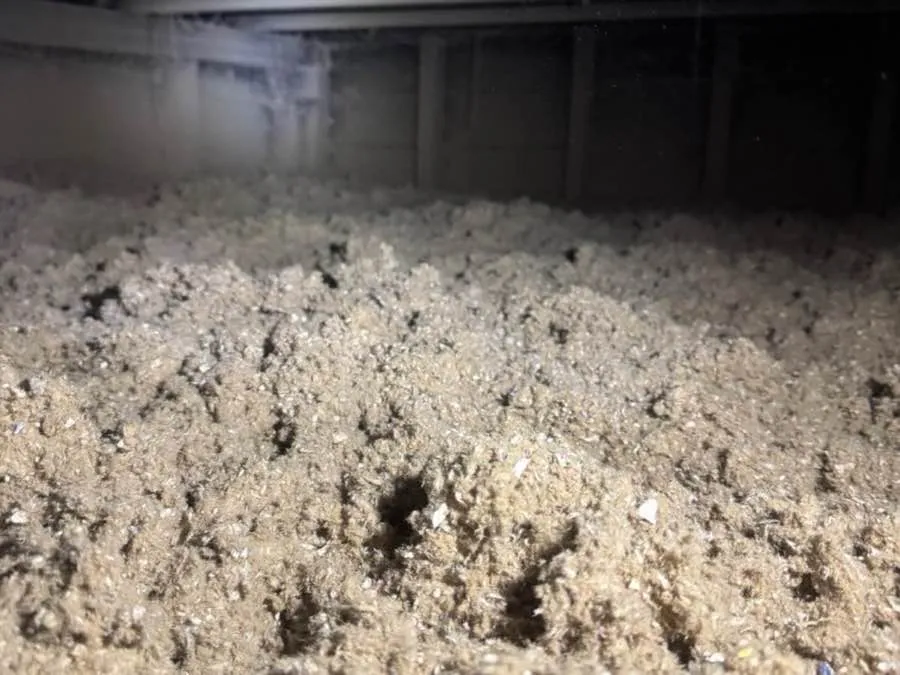
Cellulose Insulation
A smarter alternative to fiberglass for NYC homes. Cellulose insulation is blown into walls and attics, conforming to every cavity to create a tight thermal barrier that fiberglass batts simply cannot match.
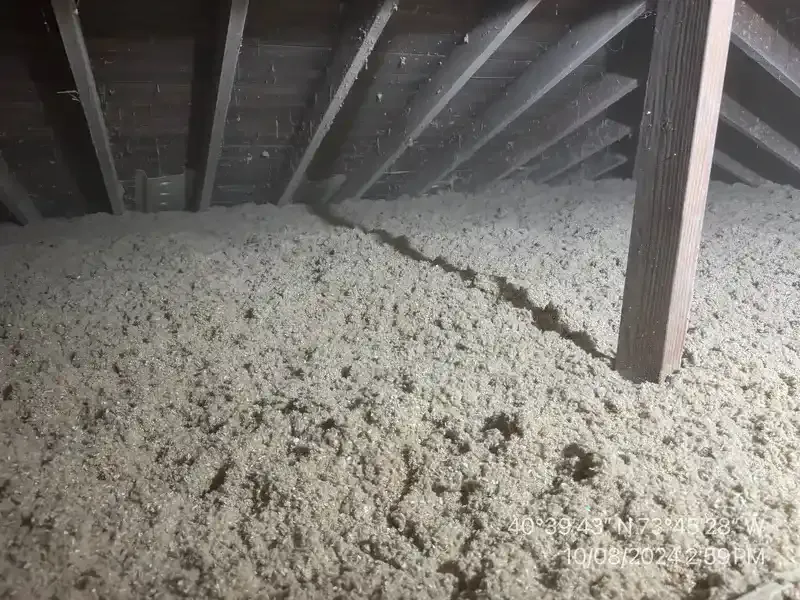
Why Cellulose Over Fiberglass?
Cellulose insulation is sprayed or blown into walls and attics, conforming tightly to every cavity, pipe, and wire to create a seamless thermal barrier. In comparison, fiberglass batts are cut to standard sizes and often leave gaps, voids, and compressed areas that significantly reduce insulating performance.
With an insulation value as high as R-4 per inch, cellulose delivers excellent thermal resistance while using a fraction of the manufacturing energy that fiberglass requires. In fact, manufacturing fiberglass for a home consumes six times more energy than manufacturing cellulose to insulate the same home at the same R-value.
Benefits of Cellulose Insulation
From lower energy bills to superior fire safety, cellulose insulation delivers performance that fiberglass cannot match.
Lower Energy Bills
Cellulose insulation can reduce heating and cooling costs by as much as 32%, keeping more money in your pocket every month.
Superior Soundproofing
Reduces noise better than fiberglass by minimizing air infiltration through wall cavities, creating a quieter living space.
Class 1 Fire Safety Rating
Manufactured with dry and liquid fire retardants that meet and exceed stringent fire-resistance testing standards.
Installs Over Existing Insulation
For best results, we remove old insulation and perform air sealing before installing cellulose. This ensures maximum comfort, energy efficiency, and indoor air quality.
85% Recycled Content
Made from up to 85% recycled paper that would otherwise end up in landfills, making it one of the most eco-friendly insulation options available.
Mold and Pest Resistant
Treated with a borate solution that naturally resists mold growth and deters insects without harmful chemicals like formaldehyde.
The Most Eco-Friendly Insulation Available
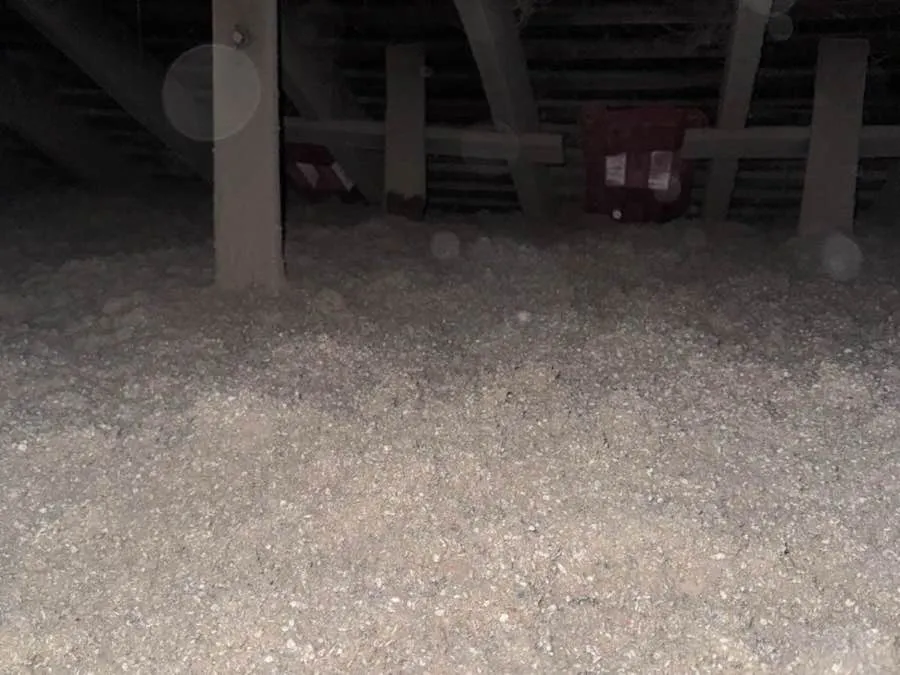
All insulation saves energy and reduces the carbon emissions that come from burning fossil fuels. But cellulose takes sustainability further. Made from up to 85% recycled paper -- materials that would otherwise be dumped in landfills -- it belongs in the category of "super-green" insulation materials.
The reclaimed paper is processed in grinding machinery that creates a fluffy, lightweight material with excellent thermal properties. And unlike fiberglass, cellulose does not contain formaldehyde, volatile organic compounds, or glass fibers, making it a safer choice for your home and family.
85%
Recycled Content
R-4
Per Inch R-Value
6x
Less Energy to Make vs Fiberglass
0
Formaldehyde or VOCs
Built-In Resistance to Fire, Mold, and Pests
Cellulose insulation is manufactured using a unique two-stage process that injects both dry and liquid fire retardants to saturate the cellulose fibers. The result is insulation with a Class 1 fire safety rating that meets and often exceeds the most stringent fire safety standards. Cellulose also limits the amount of oxygen available to support a fire, providing an additional layer of protection for your home.
The borate solution used to treat cellulose for fire retardancy also makes it naturally resistant to mold growth and insect activity. Unlike many common building materials, cellulose does not contain formaldehyde, volatile organic compounds, or glass fibers -- keeping your indoor air quality clean and your family safe.
Three Types of Cellulose for Every Situation
Whether you are upgrading an existing home or insulating new construction, there is a cellulose application designed for the job.
Attic Insulation
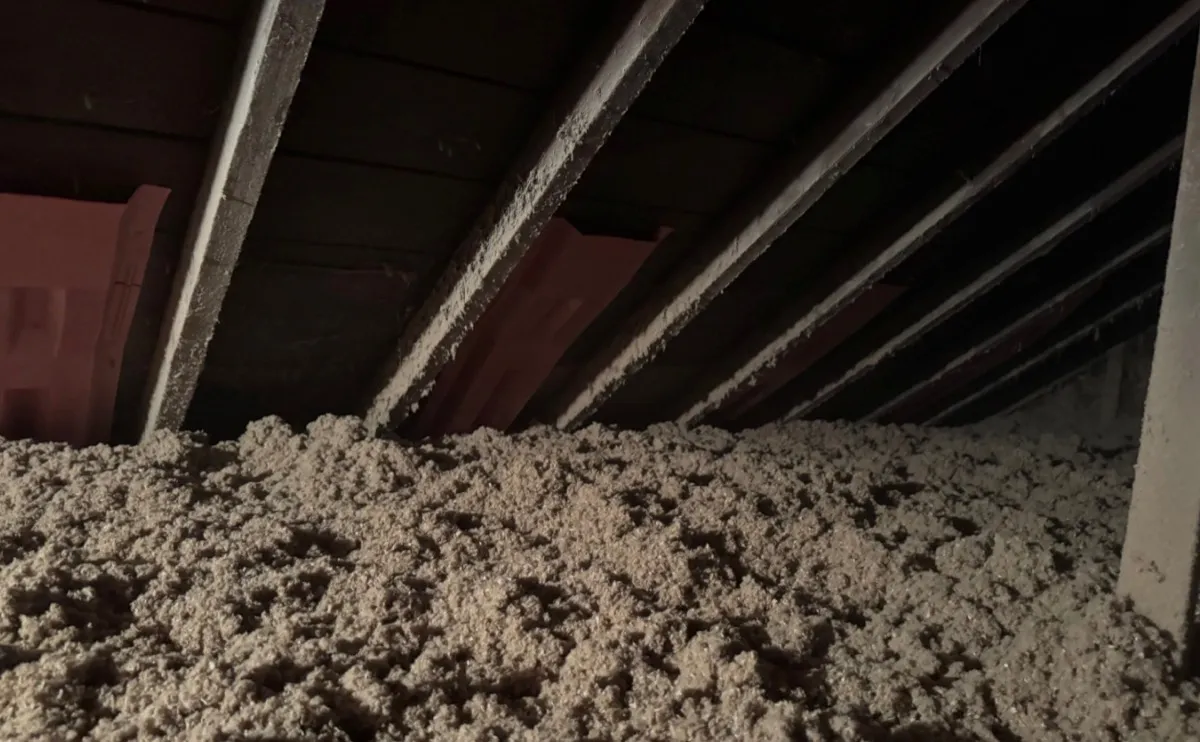
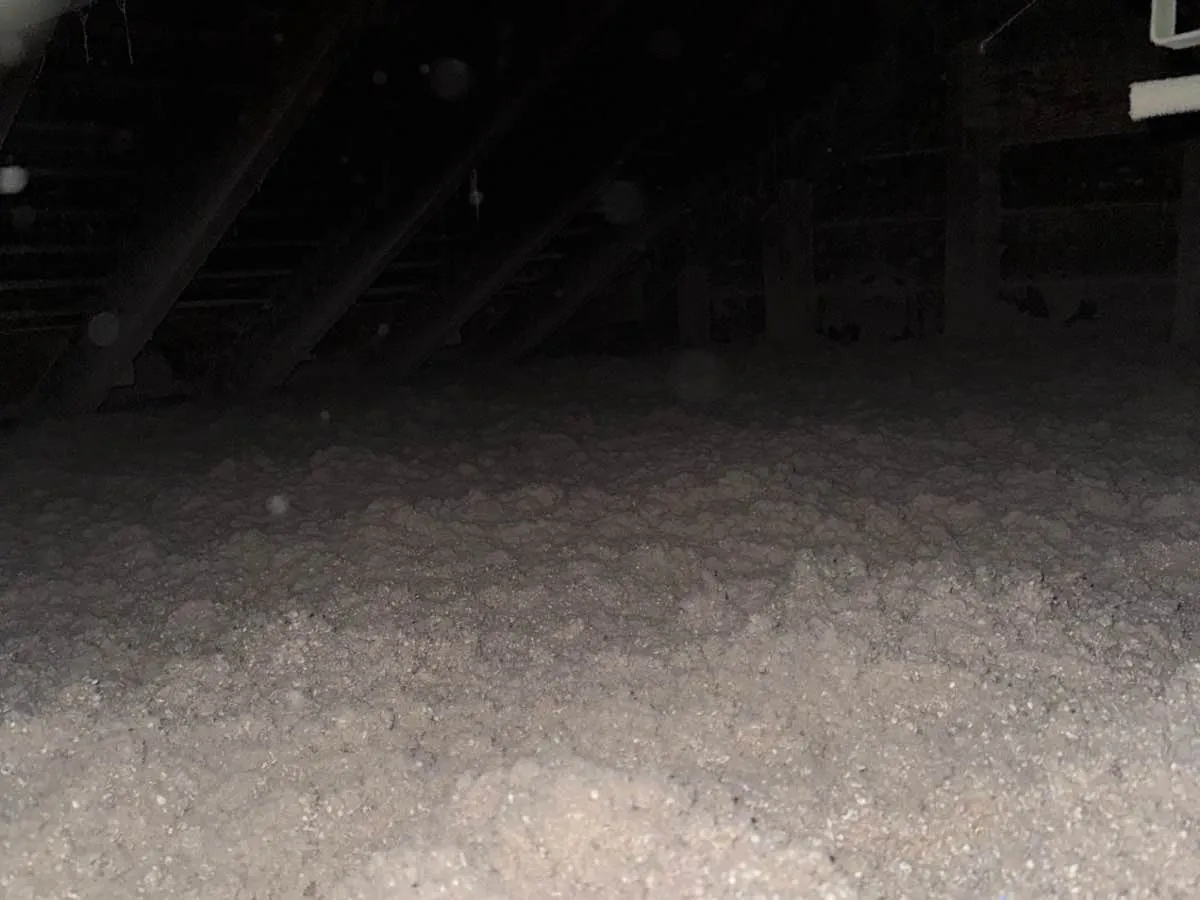
For attic applications, we first remove old insulation and perform thorough air sealing to close gaps around wiring, plumbing, and fixtures. Then loose-fill cellulose is blown into place using specialized equipment. One technician feeds cellulose into a hopper and blower unit that supplies shredded material through a hose to another worker in the attic space.
Wall Cavity Insulation
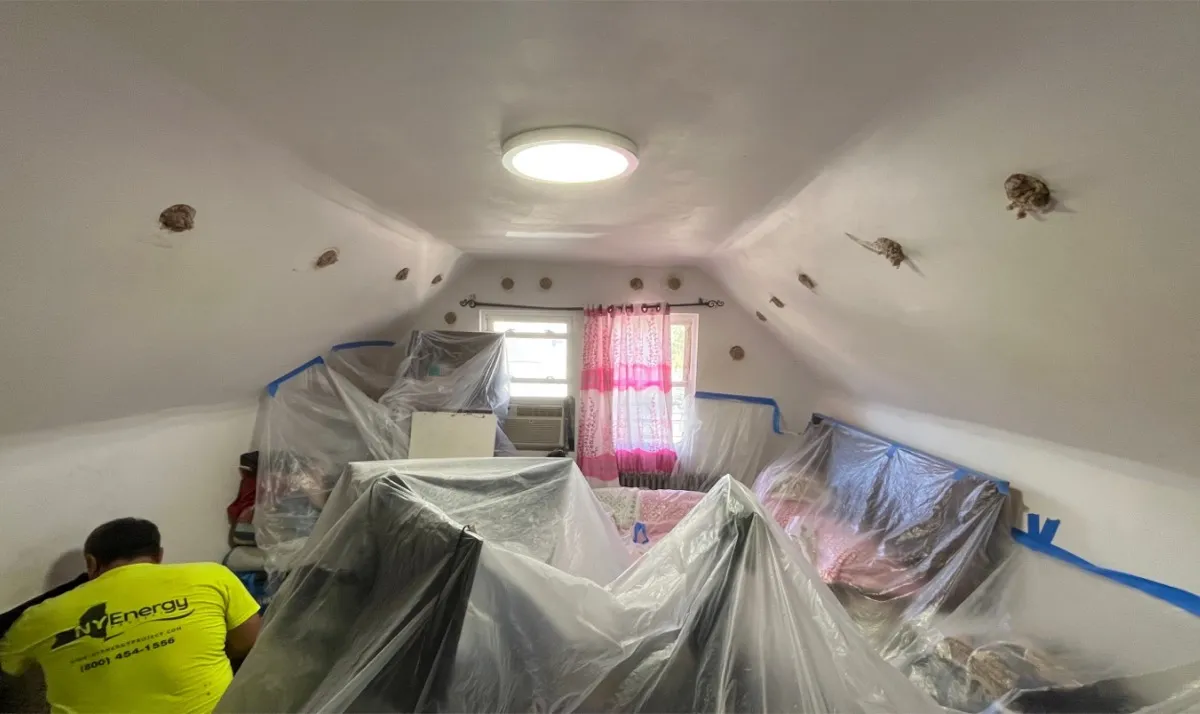
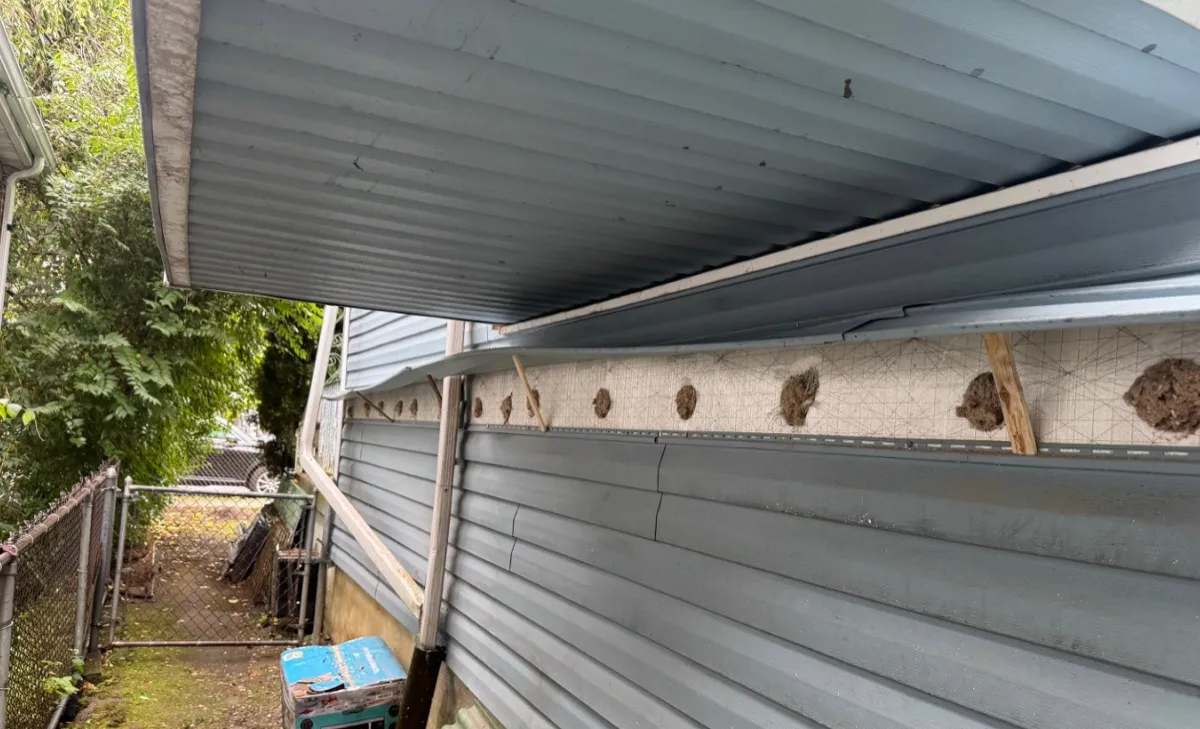
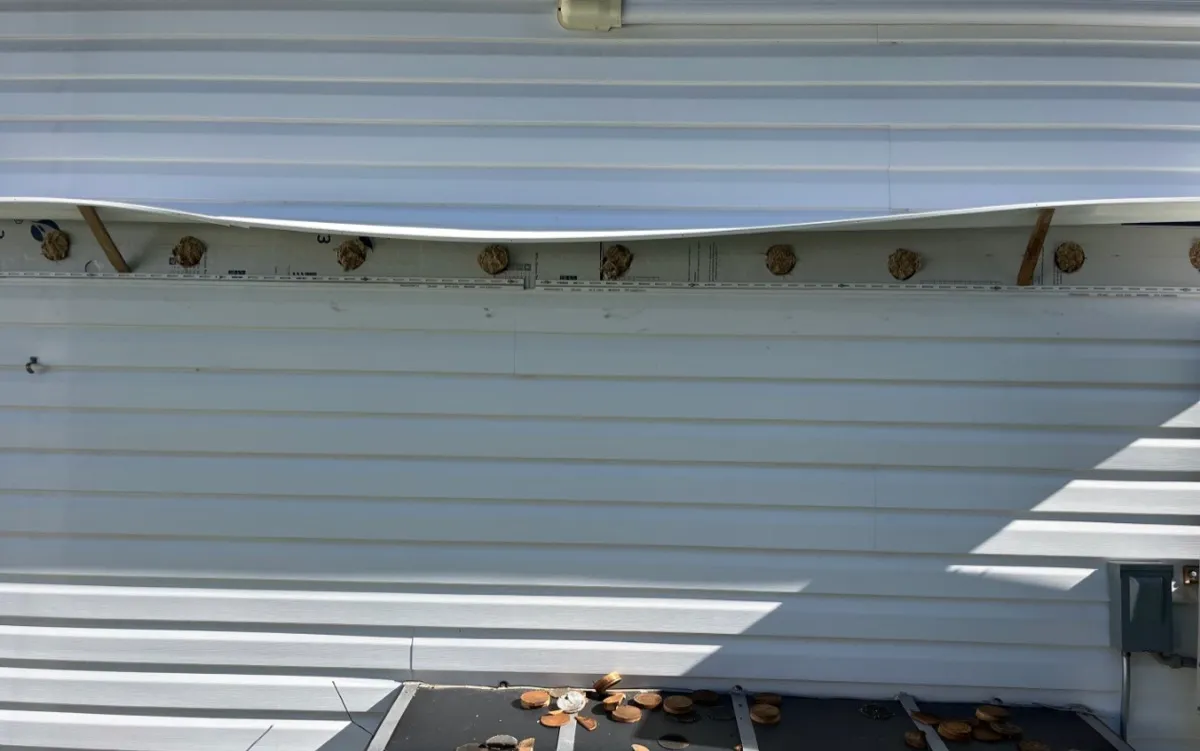
Cellulose is blown into enclosed wall cavities through small 2-inch access holes drilled into the wall. A specialized nozzle injects insulation at higher air pressure for a denser fill, often called dense-pack cellulose. This method completely fills the cavity, eliminating the gaps and voids common with fiberglass batts. Access holes are plugged when the job is complete.
Wet-Spray Cellulose
Designed for open cavities found in new construction or major renovations, this method adds water and a liquid adhesive during application. The controlled moisture level makes the material sticky enough to adhere to surfaces without settling or falling out of place, providing a seamless insulating layer.
Cellulose vs. Fiberglass: A Detailed Comparison
Fiberglass batts are the most common insulation in American homes, but that does not make them the best choice. Pre-cut batts are designed for standard stud widths and often leave gaps around electrical wiring, plumbing pipes, and junction boxes. These gaps create thermal bypasses that significantly reduce the wall's effective R-value.
Cellulose is pneumatically blown or dense-packed into the same cavities, conforming to every obstruction and filling every void. The result is a continuous thermal barrier with no gaps. Independent studies have shown that cellulose walls consistently outperform fiberglass batt walls of the same R-value in real-world conditions because of this superior cavity fill.
Cellulose also provides better soundproofing. Its dense, fibrous structure reduces airborne noise transmission more effectively than the open fiber structure of fiberglass. Homeowners who switch from fiberglass to cellulose frequently report noticeably quieter interiors.
Cellulose Advantages
- Fills every void around wires and pipes
- 85% recycled content, lowest environmental impact
- Superior soundproofing
- Class 1 fire rating, borate pest treatment
- No formaldehyde, VOCs, or glass fibers
Fiberglass Drawbacks
- Gaps around obstructions reduce performance
- Uses 6x more energy to manufacture
- Sags and compresses over time
- Absorbs water and loses R-value when wet
- Provides no pest or mold resistance
What to Expect When We Install Cellulose
For attic installations: Our crew sets up a blowing machine outside and runs a flexible hose into the attic. One technician feeds cellulose into the machine while another directs the hose to ensure even, consistent coverage across the entire attic floor. We measure the installed depth with rulers at multiple points to confirm the target R-value has been reached. Most attic jobs are completed in a single day.
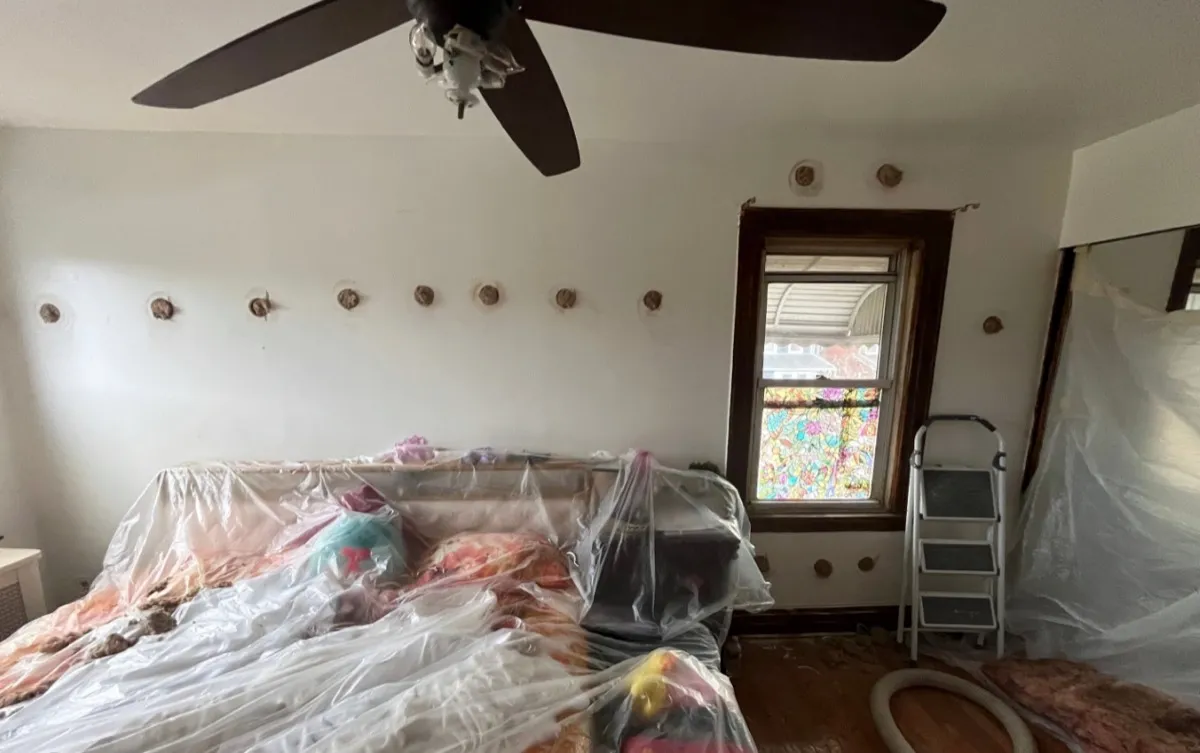
For wall cavity installations: We protect your furniture and floors with plastic sheeting, then drill small 2-inch access holes through the interior drywall or exterior siding. A specialized dense-pack nozzle injects cellulose at high pressure, completely filling the cavity from bottom to top. Once each cavity is filled, we plug the holes, patch, and clean up. From the outside, you will never know the work was done.
All cellulose insulation projects include a thorough cleanup. We remove all protective coverings, vacuum any stray material, and leave your home as clean as we found it. Our goal is zero disruption to your daily life.
Cellulose vs. Other Insulation Materials
See how cellulose compares to other common insulation materials for NYC homes.
| Feature | Cellulose | Fiberglass Batts | Spray Foam | Rigid Foam |
|---|---|---|---|---|
| R-Value Per Inch | R-3.7 to R-4 | R-3.2 | R-6.2+ | R-4 to R-6.5 |
| Recycled Content | 85% recycled paper | 20-30% | None | None |
| Fire Resistance | Class 1 rated | Non-combustible | Requires barrier | Varies by type |
| Soundproofing | Excellent | Fair | Good | Poor |
| Fills Gaps/Voids | Conforms to all cavities | Common voids | Expands to fill | Cut-to-fit |
| Mold & Pest Resistant | Borate-treated | No | Mold resistant | Mold resistant |
| Manufacturing Energy | Lowest | 6x more than cellulose | High | Moderate |
Cellulose Insulation Questions
Common questions about cellulose insulation material, performance, and installation.
What is cellulose insulation made of?
Cellulose insulation is made from up to 85% recycled paper, primarily post-consumer newsprint. The paper is ground into a fluffy, fibrous material and treated with borate-based fire retardants that also provide resistance to mold and insects. It contains no fiberglass, formaldehyde, or volatile organic compounds.
Is cellulose insulation better than fiberglass?
Cellulose outperforms fiberglass in several ways. It conforms tightly to cavities and fills around wires and pipes, eliminating the gaps common with fiberglass batts. Cellulose delivers R-3.7 to R-4 per inch, comparable to fiberglass, but uses six times less energy to manufacture. It also provides superior soundproofing and is treated for fire and pest resistance.
How much does cellulose insulation cost in NYC?
The cost of cellulose insulation in NYC depends on the area being insulated, the depth required, and accessibility. Cellulose is generally more affordable than spray foam and comparable to blown fiberglass. NY Energy Project provides free estimates for all cellulose insulation projects. Many NYC homeowners also qualify for rebates through NYSERDA or the EmPower+ program.
Is cellulose insulation safe? Does it catch fire?
Yes, cellulose insulation is safe. It carries a Class 1 fire safety rating and is manufactured with both dry and liquid fire retardants. Cellulose actually limits the amount of oxygen available to support a fire, adding an extra layer of protection. The borate treatment also makes it naturally resistant to mold and insects without harmful chemicals.
Can cellulose insulation be installed over existing insulation?
Cellulose can be blown over existing insulation, but for the best results we recommend removing old insulation first. Removing old material allows us to perform thorough air sealing of gaps around wiring, plumbing, and fixtures before installing new cellulose. This combination of air sealing plus fresh insulation delivers significantly better energy savings and comfort.
How long does cellulose insulation last?
Properly installed cellulose insulation lasts the lifetime of the home. The borate treatment prevents pest damage and mold growth, and cellulose does not degrade or off-gas over time. While some settling may occur in wall cavities, dense-pack cellulose installation minimizes this. Attic applications maintain their depth and performance for decades.
Explore Other Insulation Options
Cellulose is one of several insulation materials we install. Compare your options to find the best fit for your home.
Blown-In Insulation
Learn about the blown-in installation method used to install cellulose and fiberglass in attics and walls.
View blown-in installation processAttic Insulation
Explore attic-specific insulation upgrades including air sealing, R-value targets, and material options for your attic.
View attic insulation servicesSpray Foam Insulation
Compare cellulose vs. spray foam. Spray foam delivers higher R-value per inch and built-in air sealing for demanding applications.
View spray foam insulation servicesCellulose Insulation Services Across NYC
NY Energy Project provides professional cellulose insulation services throughout New York City and the surrounding region.


NY Energy Project is a BPI-certified contractor and participating contractor in NYSERDA's EmPower+ program.
Get a Free Cellulose Insulation Estimate
If you have an uncomfortable home or rising utility costs, our insulation experts are ready to help. We will assess your home and provide quality solutions to make it as comfortable and energy efficient as possible. Schedule your free inspection and estimate today.
