
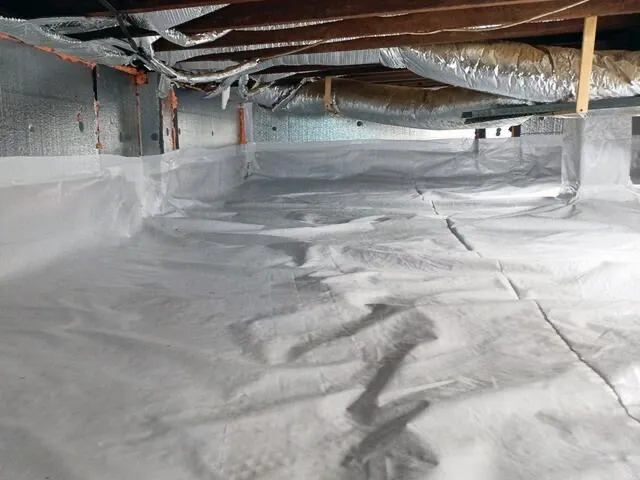
Crawl Space Insulation
Crawl spaces sit directly on the ground, soaking up the earth's natural cold and transferring it into your home. The right insulation, installed correctly, keeps your floors warm, your energy bills low, and your crawl space dry and protected.
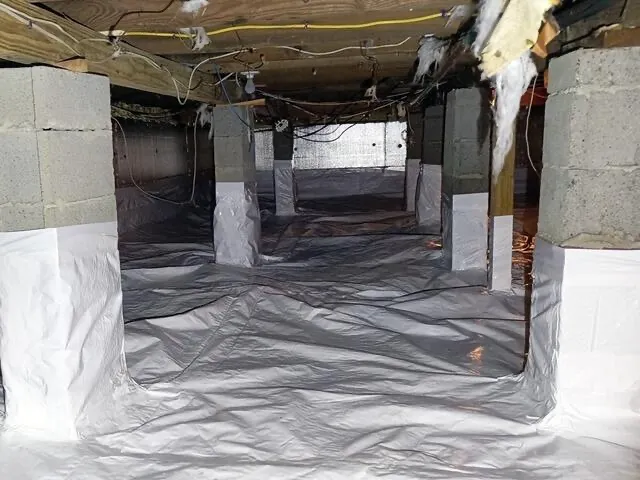
Why Most Crawl Spaces Have the Wrong Insulation
The old-fashioned approach to crawl space insulation was to install fiberglass batts between floor joists and vent the space so outside air could circulate beneath the house. Unfortunately, this combination almost always leads to problems. Fiberglass does not respond well to the moist conditions found in crawl spaces.
The cotton-like fiberglass material absorbs moisture, gets soggy, compresses, and loses its R-value. Batts frequently end up falling to the crawl space floor in a wet, ineffective pile. The main advantage of fiberglass -- low upfront cost -- is completely negated once the material stops performing its insulating function.
For your crawl space insulation to perform the way it should, it is essential to install the right type of insulation, the right amount, and use the correct installation technique. That is where rigid foam board comes in.
Signs Your Crawl Space Insulation Is Failing
If any of these sound familiar, your crawl space insulation is likely damaged, insufficient, or the wrong type for the job.
Cold Floors in Winter
The floor above your crawl space feels unpleasantly cold during winter months, forcing you to keep the heat running nearly all the time.
Pest Infestations
Mice and other pests have taken up residence in fiberglass insulation installed between the floor joists in your crawl space.
Fallen or Sagging Insulation
Fiberglass batt insulation has fallen out of place from between floor joists and is sitting in a soggy mess on the crawl space floor.
Mold and Dampness
Your crawl space smells moldy, has visible signs of mold growth, or stays damp all the time due to moisture from the ground below.
Rising Energy Bills
Utilities like your furnace or hot water pipes in the crawl space are losing efficiency as temperature fluctuations force your HVAC system to work harder.
Uncomfortable Rooms Above
Rooms directly above the crawl space are consistently harder to keep comfortable compared to the rest of your home.
Why Rigid Foam Outperforms Fiberglass in Crawl Spaces
Rigid foam panels are manufactured in different thicknesses and cut to fit against the interior face of crawl space foundation walls, bringing the crawl space inside your home's building envelope.
Stable and Reliable
Unlike fiberglass, rigid foam will not compress, fall out of place, or lose R-value over time. It is a once-and-done improvement that performs the same in 15 years as it does on day one.
Effective Air Sealing
When joints between panels are taped, rigid foam stops air leaks that waste energy. Fiberglass insulation cannot stop air movement through the crawl space.
Completely Moisture-Proof
Rigid foam does not absorb moisture or degrade when exposed to it, making it ideal for the damp conditions found in crawl spaces.
Resistant to Mold
Mold cannot take hold on rigid foam because it contains no organic material and does not retain moisture that mold needs to grow.
Better Ductwork Performance
Ducts located in the crawl space benefit from rigid foam installed against crawl space walls, keeping conditioned air at the right temperature.
Lower Lifetime Cost
Although rigid foam costs more upfront than fiberglass, you will never have to clean up or redo a mess of damaged, ineffective insulation.
Crawl Space Floor Insulation for Maximum Performance
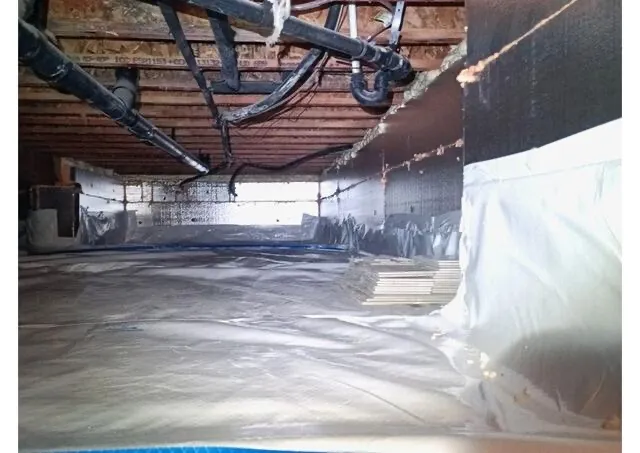
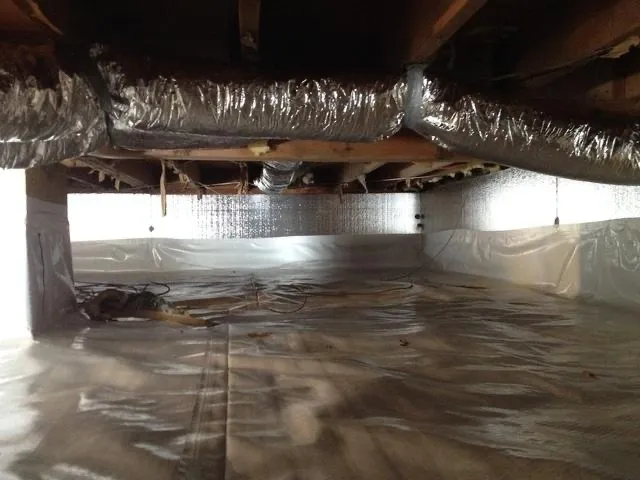
In many cases, insulating the crawl space walls alone is not enough. We also install rigid foam floor insulation that is flexible enough to handle rough, irregular crawl space floors. Faced on both sides with durable vinyl, this insulation has excellent puncture and abrasion resistance.
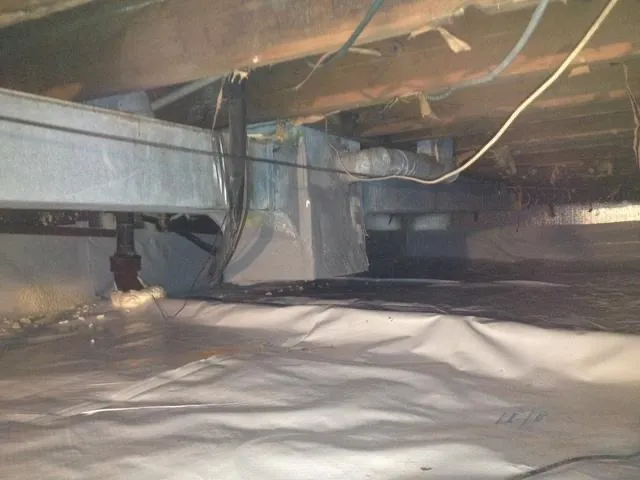
Covering the crawl space floor with rigid foam creates a durable thermal and moisture barrier that serves double duty. In addition to providing extra insulation value, it creates a clean, comfortable surface for homeowners and service professionals who need to access the crawl space for maintenance or repairs.
15+
Years of Performance
0%
Moisture Absorption
BPI
Certified Installers
Free
Estimate & Energy Audit
How We Insulate Your Crawl Space
Inspect
We inspect your crawl space for moisture, mold, pest damage, and failed insulation. We also check ductwork and plumbing condition.
Remove Old Insulation
We remove any failed fiberglass batts, debris, and damaged materials from the crawl space to start with a clean surface.
Install Vapor Barrier & Foam
We install a heavy-duty vapor barrier on the floor and rigid foam panels on the foundation walls, sealing all joints with tape.
Verify
We confirm all penetrations are sealed, the vapor barrier is properly overlapped, and the crawl space is fully encapsulated.
Crawl Space Insulation Methods Compared
Compare the insulation approaches for crawl spaces to understand why rigid foam encapsulation outperforms traditional methods.
| Feature | Rigid Foam (Walls) | Fiberglass Batts (Joists) | Spray Foam (Walls) |
|---|---|---|---|
| Moisture Resistance | Excellent | Poor | Excellent |
| Mold Resistance | Will not grow mold | Traps moisture, promotes mold | Will not grow mold |
| Air Sealing | Yes, with taped joints | None | Built-in air barrier |
| Longevity | 15+ years, no sagging | Often fails within 5 years | Lifetime |
| Pest Resistance | Not attractive to pests | Nesting material for rodents | Not attractive to pests |
| Protects Pipes & Ducts | Yes, inside envelope | No, exposed to outdoor temps | Yes, inside envelope |
| Cost | Best value | Cheapest upfront, costly long-term | Premium |
Crawl Space Insulation Questions
Common questions about crawl space insulation, encapsulation, vapor barriers, and rigid foam.
What is the best insulation for a crawl space?
Rigid foam board is the best insulation for crawl spaces in the NYC climate. Unlike fiberglass batts, rigid foam is completely moisture-proof, mold-resistant, and will not sag or fall out of place over time. It is installed against the crawl space foundation walls to bring the space inside your home's building envelope.
Why does fiberglass fail in crawl spaces?
Fiberglass batts absorb moisture from the damp crawl space environment, which causes them to compress, lose R-value, and eventually fall from between the floor joists. The soggy material also attracts pests and can develop mold. Rigid foam avoids all of these problems because it does not absorb water.
How much does crawl space insulation cost in NYC?
Crawl space insulation costs depend on the size of the space, the insulation material chosen, and whether vapor barrier or encapsulation work is needed. NY Energy Project provides free crawl space inspections and estimates. Many NYC homeowners qualify for rebates through the NYSERDA EmPower+ program that can significantly reduce the cost.
Should I insulate crawl space walls or the floor above?
Modern building science recommends insulating the crawl space walls rather than the floor above. Wall insulation with rigid foam brings the crawl space inside the building envelope, protecting pipes and ductwork from freezing while eliminating cold floors. This approach is more effective and longer-lasting than insulating between floor joists.
Does crawl space insulation help with cold floors?
Yes. Cold floors in winter are one of the most common signs that your crawl space insulation is missing or failing. Rigid foam installed on the crawl space walls creates a thermal barrier that keeps the space warmer, which directly warms the floors above. Most homeowners notice a significant difference within the first heating season.
Do I need a vapor barrier with crawl space insulation?
In most NYC homes, yes. A vapor barrier on the crawl space floor prevents ground moisture from rising into the space and degrading insulation. NY Energy Project installs heavy-duty vapor barriers as part of our crawl space encapsulation service, which works together with rigid foam wall insulation for complete moisture and thermal protection.
Related Insulation Services
Crawl space insulation is one part of a complete home energy solution. Explore our other insulation services.
Basement Insulation
Similar to crawl spaces, basements benefit from rigid foam on foundation walls. Reduce heat loss and moisture problems below grade.
View basement insulationRigid Foam Insulation
Learn more about rigid foam board insulation, including types, R-values, and applications beyond crawl spaces.
View rigid foam detailsAir Sealing
Air sealing is essential for crawl space performance. Seal gaps and penetrations to stop energy-wasting air leaks throughout your home.
View air sealing servicesCrawl Space Insulation Across NYC
NY Energy Project provides professional crawl space insulation and encapsulation services throughout Brooklyn, Queens, Staten Island, the Bronx, Manhattan, and the surrounding areas.


NY Energy Project is a BPI-certified contractor and participating contractor in NYSERDA's EmPower+ program.
Schedule Your Free Crawl Space Inspection
We inspect your crawl space, identify the source of moisture and energy problems, and recommend a lasting solution. Our comprehensive home energy audit will fully diagnose issues and provide targeted fixes. Schedule your free estimate today.
