
Garage Insulation
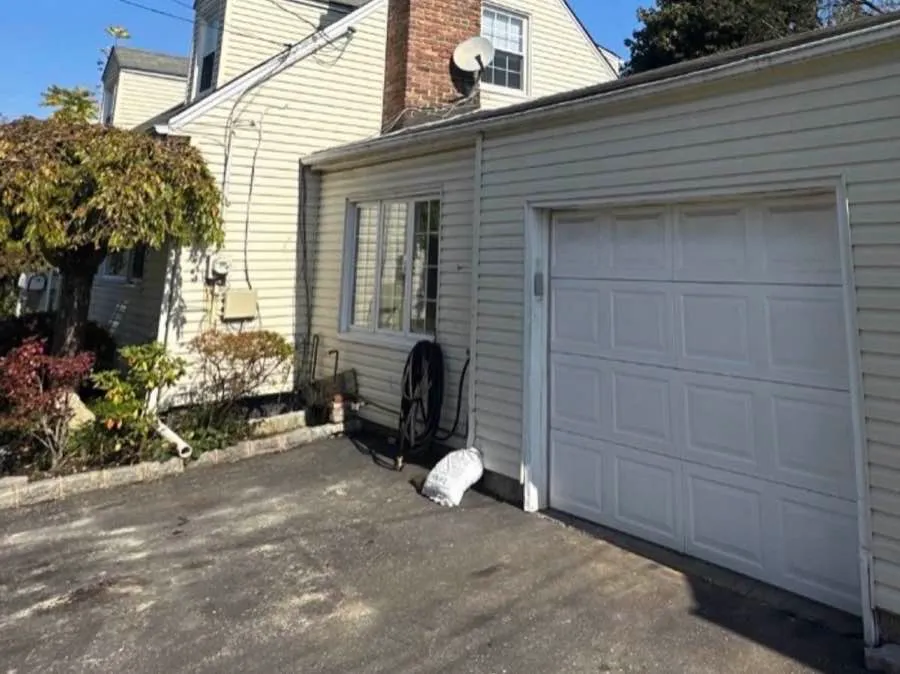
An attached garage that is poorly insulated directly affects your home's comfort and energy efficiency. Whether the builder skipped the insulation or it has deteriorated over time, NY Energy Project can correct the problem quickly and affordably.
Did the Builder Insulate Your Garage Properly?
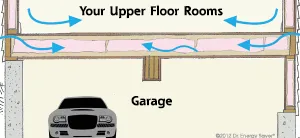
When a house is built, the common wall and ceiling between the garage and the home's living space should be air sealed and insulated. However, builders sometimes skip this step entirely. Since most houses have attached garages with a direct structural connection to the living space, there is also a thermal connection.
If you have an attached garage, there is a good chance that insufficient insulation is compromising your comfort and costing you money every month. This is especially true if you have a finished room above the garage, where cold air infiltrates the ceiling assembly and makes the space above uncomfortable year-round.
NY Energy Project can inspect your garage, identify insulation problems, and correct them with the right materials and techniques for your specific situation.
Carbon Monoxide Risk From Attached Garages
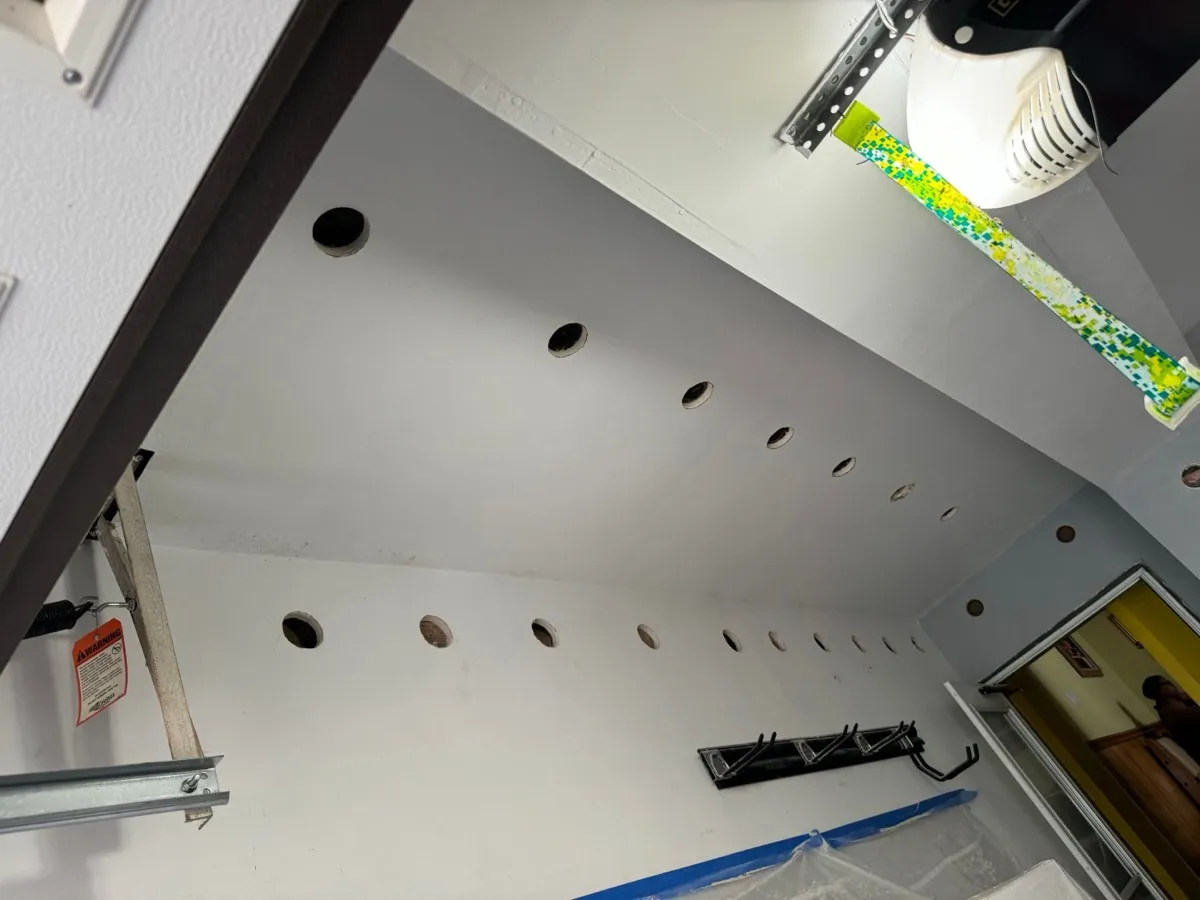
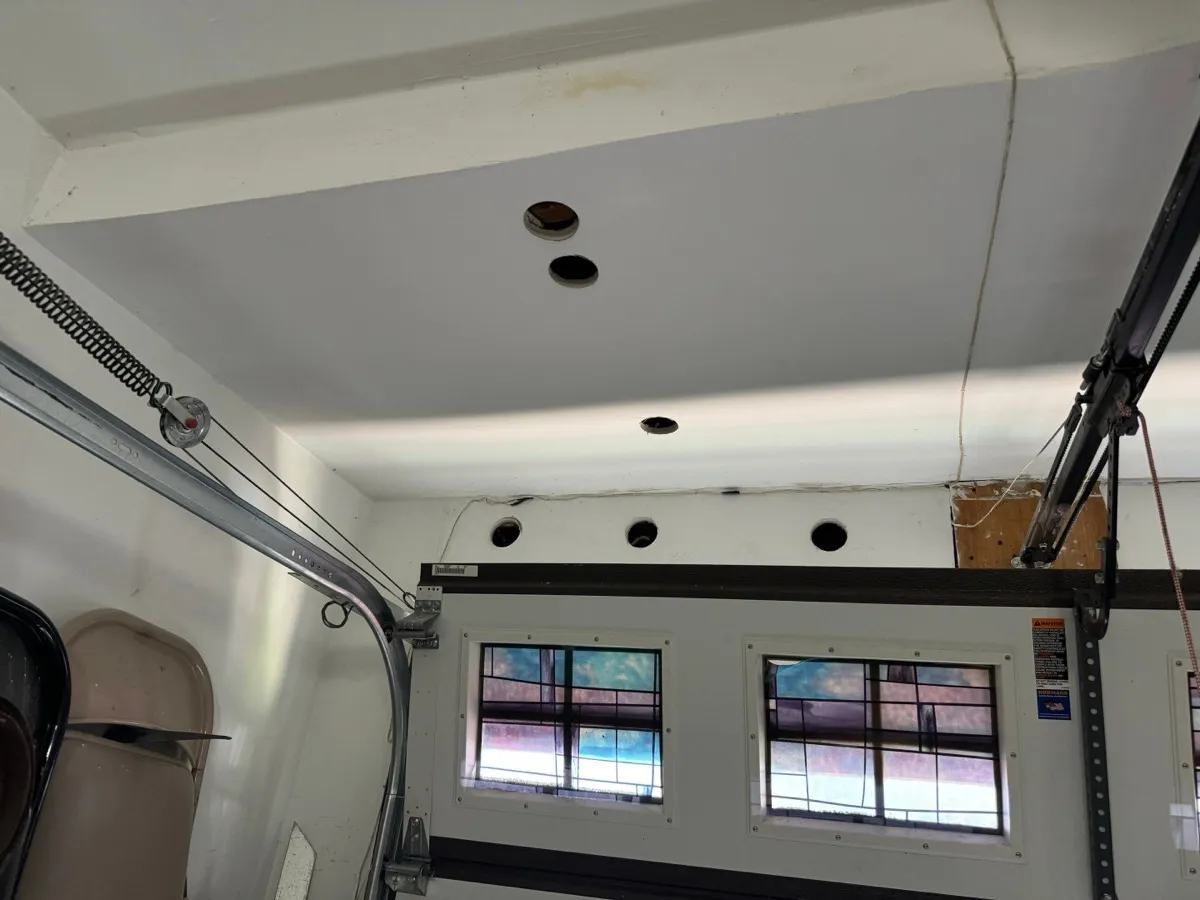
An improperly sealed garage is more than just an energy problem. It is a serious health hazard. Car exhaust contains carbon monoxide (CO), a colorless, odorless gas that can be deadly. When the shared wall and ceiling between your garage and living space have gaps and air leaks, CO from your vehicle can migrate directly into your home.
Every time you start your car, warm up the engine, or idle in the garage, exhaust fumes can seep through cracks around doors, electrical outlets, plumbing penetrations, and unsealed gaps in the ceiling above. Even pulling into the garage and shutting the engine off leaves residual exhaust that can be drawn into your home through the stack effect.
Proper air sealing and insulation of the shared garage wall and ceiling creates an airtight barrier that keeps exhaust fumes where they belong, protecting your family from CO exposure while also improving comfort and energy efficiency.
Signs Your Garage Needs Better Insulation
An uninsulated or poorly insulated garage affects more than just the garage itself. These are the most common indicators of a problem.
-
Room Over Garage Is Uncomfortable
A finished room above the garage that is too cold in winter or too hot in summer is the most common sign of missing or inadequate garage insulation.
-
High Heating and Cooling Bills
Cold or warm air infiltrates through the garage ceiling and walls into your living space, forcing your HVAC system to work harder and driving up monthly costs.
-
Drafts Near Shared Walls
If you feel cold air coming from the wall or door between your garage and house, the thermal boundary is not properly sealed or insulated.
-
Builder Skipped Insulation
Many builders skip air sealing and insulating the garage ceiling and shared walls during construction. If your home was built without these steps, you are losing energy every day.
-
Garage Used as Workshop
If you use your garage for woodworking, automotive projects, or other hobbies, proper insulation makes the space comfortable to work in regardless of the weather outside.
-
Old or Uninsulated Garage Door
A thin, uninsulated garage door is a major source of heat loss. Upgrading to an insulated door makes a noticeable difference in both the garage and adjacent rooms.
Garage Insulation Options for NYC Homeowners
Depending on how your garage is used and how your house is designed, the right combination of insulation upgrades can make a significant impact on comfort and energy efficiency.
Garage Ceiling Insulation
Essential when there is living space above the garage. Without ceiling insulation, the room above will be uncomfortably cold in winter and hot in summer, wasting energy nearly all year round. We install dense-pack cellulose or rigid foam to create a continuous thermal barrier between the garage and the living space.
Garage Wall Insulation
The wall separating an attached garage from your living space should be air sealed, insulated, and finished with fire-rated drywall. We ensure this critical boundary is properly insulated to stop heat transfer and meet fire safety codes.
Rigid Foam Insulation
Rigid foam panels deliver superior insulating and air sealing performance compared to other garage insulation types. They offer high R-value per inch, long-term durability without compression, and complete immunity to mold and moisture damage.
Insulated Garage Doors
Insulated garage doors have foam-filled cores that improve energy efficiency and prevent the metal surface from denting. Available in textured finishes that look like traditional wood designs, they are a worthwhile upgrade over uninsulated economy versions.
Use Your Garage as a Workshop Year-Round
Many NYC homeowners use their garage for carpentry, woodworking, automotive projects, or as a home gym. Without proper insulation, the space is too cold to use in winter and sweltering in summer. Insulating the garage walls, ceiling, and door transforms it into a usable workspace regardless of the weather outside.
Combined with an insulated garage door, proper wall and ceiling insulation creates a space that holds temperature effectively. Whether you are working on projects, exercising, or simply using the garage as extra living space, insulation makes it possible to enjoy the area comfortably all year.
4
Insulation Solutions
365
Days of Comfort
BPI
Certified Installers
Free
Estimate & Energy Audit
Garage Insulation Materials Compared
Compare the three most common insulation materials used in garage ceilings and shared walls.
| Feature | Dense-Pack Cellulose | Rigid Foam Board | Fiberglass Batts |
|---|---|---|---|
| R-Value Per Inch | R-3.5 to R-3.8 | R-5 to R-6.5 | R-3.1 to R-3.7 |
| Air Sealing | Excellent (fills all gaps) | Excellent (sealed joints) | Poor (gaps at edges) |
| CO Infiltration Block | Strong barrier | Strong barrier | Weak (air passes through) |
| Best For | Ceilings, enclosed walls | Exposed walls, doors | Open stud cavities only |
| Longevity | Permanent, no settling | Permanent, no degradation | Sags and compresses over time |
| Fire Resistance | Class 1 fire rating | Requires thermal barrier | Non-combustible |
| Cost | Mid-range | Mid to premium | Most affordable |
Garage Insulation Questions
Common questions about insulating garages in NYC homes.
Should I insulate the garage ceiling or the garage walls?
It depends on how the garage connects to your living space. If there is a room above the garage, ceiling insulation is critical to keep that room comfortable. If the garage shares a wall with the house, that wall must be insulated and air sealed. In many cases, both the ceiling and shared wall need attention for the best results.
Does garage insulation help with carbon monoxide from cars?
Yes. Proper air sealing and insulation of the shared wall and ceiling between the garage and living space creates an airtight barrier that prevents car exhaust and carbon monoxide from migrating into your home. This is one of the most important safety benefits of garage insulation.
How much does garage insulation cost in NYC?
Garage insulation costs vary depending on the scope of work, whether you need ceiling insulation, wall insulation, or both, and the materials used. NY Energy Project provides free energy audits and estimates. Many NYC homeowners qualify for rebates through the NYSERDA EmPower+ program that can significantly offset the cost.
What is the best insulation for a garage ceiling?
Dense-pack cellulose is an excellent choice for garage ceilings because it fills the entire joist cavity, eliminating air gaps that reduce performance. Rigid foam is another strong option, especially when combined with air sealing at penetrations and rim joists. Fiberglass batts are the least effective because they leave gaps and can sag over time.
Can I insulate my garage to use it as a workshop?
Absolutely. Insulating the garage walls, ceiling, and door transforms the space into a comfortable workshop you can use year-round. Combined with a small heater or mini-split system, a properly insulated garage holds temperature effectively for woodworking, automotive projects, or use as a home gym.
Is an insulated garage door worth it?
Yes. An insulated garage door has a foam-filled core that reduces heat transfer through the largest opening in the garage. It also makes the door quieter, more durable, and resistant to denting. If the garage is attached to your home, an insulated door makes a noticeable difference in the temperature of adjacent rooms.
Related Insulation Services
Garage insulation is most effective when combined with a whole-home energy approach. Explore our other services.
Attic Insulation
The attic is the biggest source of heat loss in most homes. Insulating the attic alongside the garage delivers the greatest energy savings.
View attic insulationWall Insulation
If the shared garage wall needs insulation, the rest of your exterior walls likely do too. Dense-pack cellulose fills wall cavities completely.
View wall insulationAir Sealing
Air sealing the garage boundary is essential for blocking carbon monoxide and stopping drafts. It works hand-in-hand with insulation.
View air sealingGarage Insulation Services Across NYC
NY Energy Project provides professional garage insulation services throughout Brooklyn, Queens, Staten Island, the Bronx, Manhattan, and the surrounding areas.


BPI-certified & NYSERDA EmPower+ participating contractor
Get a Free Garage Insulation Estimate
Whether the builder skipped the insulation or it has deteriorated over time, we can correct the problem and make your home more comfortable and energy efficient. We also offer a comprehensive home energy audit to identify all areas that could be causing high utility bills. Schedule your free estimate today.
