
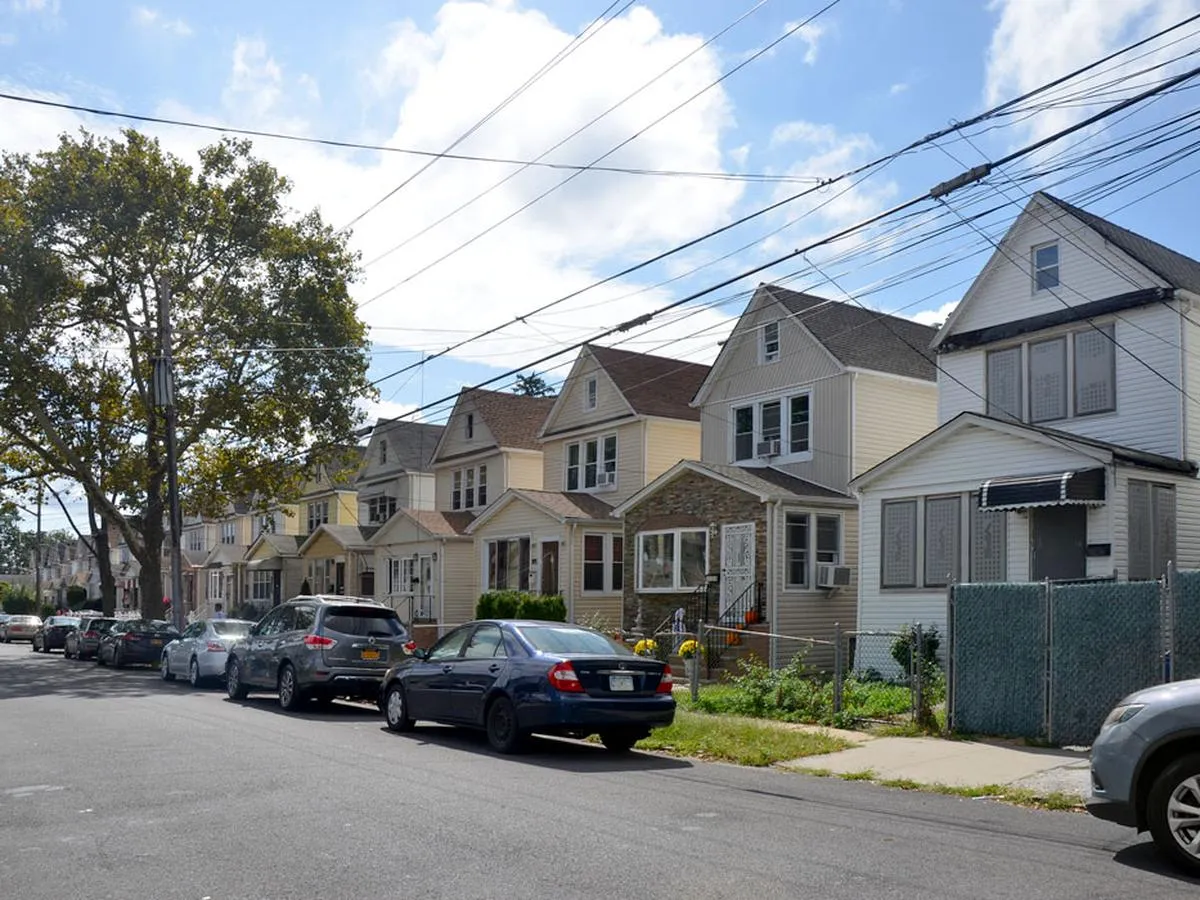
Queens has more single-family and two-family homes than any other borough in New York City. It also has some of the highest energy bills. The reason is simple: most Queens homes were built between the 1930s and 1960s with little or no insulation, and the majority have never been properly upgraded.
A home energy audit shows you exactly where your Queens home is losing energy, how much it is costing you, and what to fix first. After performing hundreds of energy audits across Queens, we know what to look for and what we find most often. This guide covers everything Queens homeowners need to know.
Why Queens Homes Lose More Energy Than Most
Queens has a unique combination of factors that make energy waste especially common.
More Exposed Walls Than Other Boroughs
While Brooklyn and Manhattan are dominated by attached row houses that share walls with neighbors, Queens has thousands of detached and semi-detached homes. A fully detached colonial in Fresh Meadows has four exposed exterior walls. A semi-detached home in Middle Village has three. Each exposed wall is a surface where heat escapes in winter and enters in summer. More exposed walls means more energy loss, which means higher utility bills.
Pre-War Construction Without Insulation
The majority of Queens residential housing was built before energy codes existed. Walk through Jamaica, Hollis, Richmond Hill, or Ozone Park and you will see block after block of homes from the 1940s and 1950s. These houses were framed, sided, plastered, and finished without any insulation in the walls. The attics usually have two to three inches of old fiberglass when current standards call for 13 to 14 inches. The basements are almost never insulated.
Diverse Housing Stock
Queens has everything: detached colonials, Cape Cods, Tudor-style homes, semi-attached brick houses, row houses, and small multi-family buildings. Each type has different energy challenges. A Cape Cod with a finished attic loses heat differently than a colonial with a walk-up attic. A brick semi-attached home has different insulation needs than a wood-framed detached house. A proper energy audit accounts for these differences.
High Con Edison Costs
Queens residents pay Con Edison rates that are among the highest in the nation. When your home wastes 20% to 40% of the energy you pay for, the dollar impact is significant. A Queens homeowner spending $4,000 a year on utilities could be wasting $800 to $1,600 annually on energy that escapes through uninsulated walls, attics, and air leaks.
What Happens During an Energy Audit in a Queens Home
A professional energy audit takes two to three hours and involves real diagnostic testing, not just a walkthrough. Here is what happens when we audit a Queens home.
We start with a conversation about your home: which rooms are uncomfortable, where you feel drafts, what your heating system is, and what your utility bills look like. Then we set up the blower door test.
Blower Door Test
A calibrated fan is sealed into an exterior door and depressurizes the entire house. This pulls outside air in through every crack, gap, and opening, making air leaks easy to find and measure. The result is a precise number (CFM50) that tells us how leaky your home is. For Queens homes, this number is usually much higher than it should be because of the age of the housing stock and the lack of air sealing.
Thermal Imaging
While the blower door runs, we scan every wall, ceiling, and floor with thermal imaging cameras. In Queens homes, the thermal images almost always reveal the same thing: the exterior walls light up as cold surfaces because there is no insulation behind them. We can see exactly which wall cavities are empty, where insulation has settled or shifted, and where cold air is entering the building.
Insulation Assessment
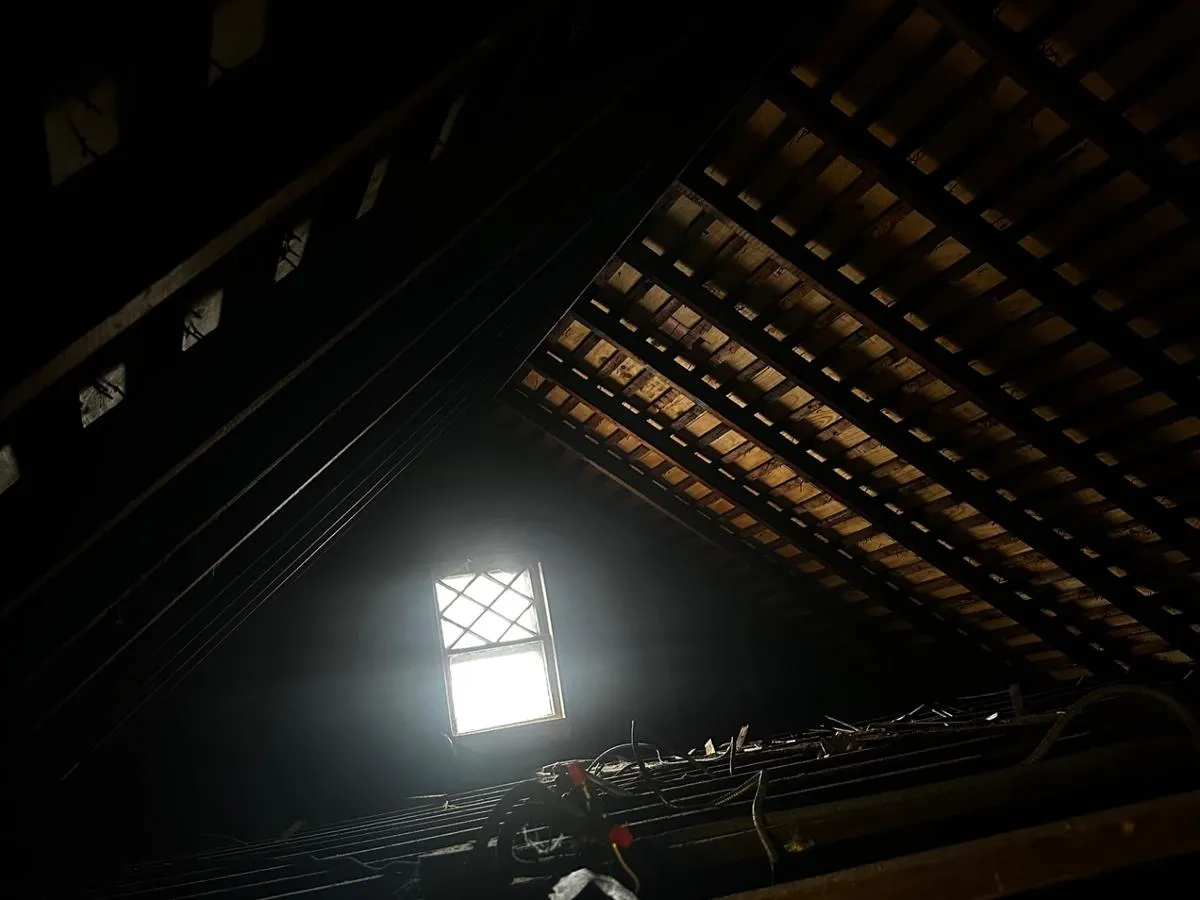
We check insulation levels in the attic, walls (using thermal imaging and sometimes small inspection holes), basement, and crawl space. Most Queens homes have inadequate insulation in every area. Attics typically have two to four inches when R-49 (about 14 inches of cellulose) is the standard. Walls are usually completely empty.
Heating System Evaluation
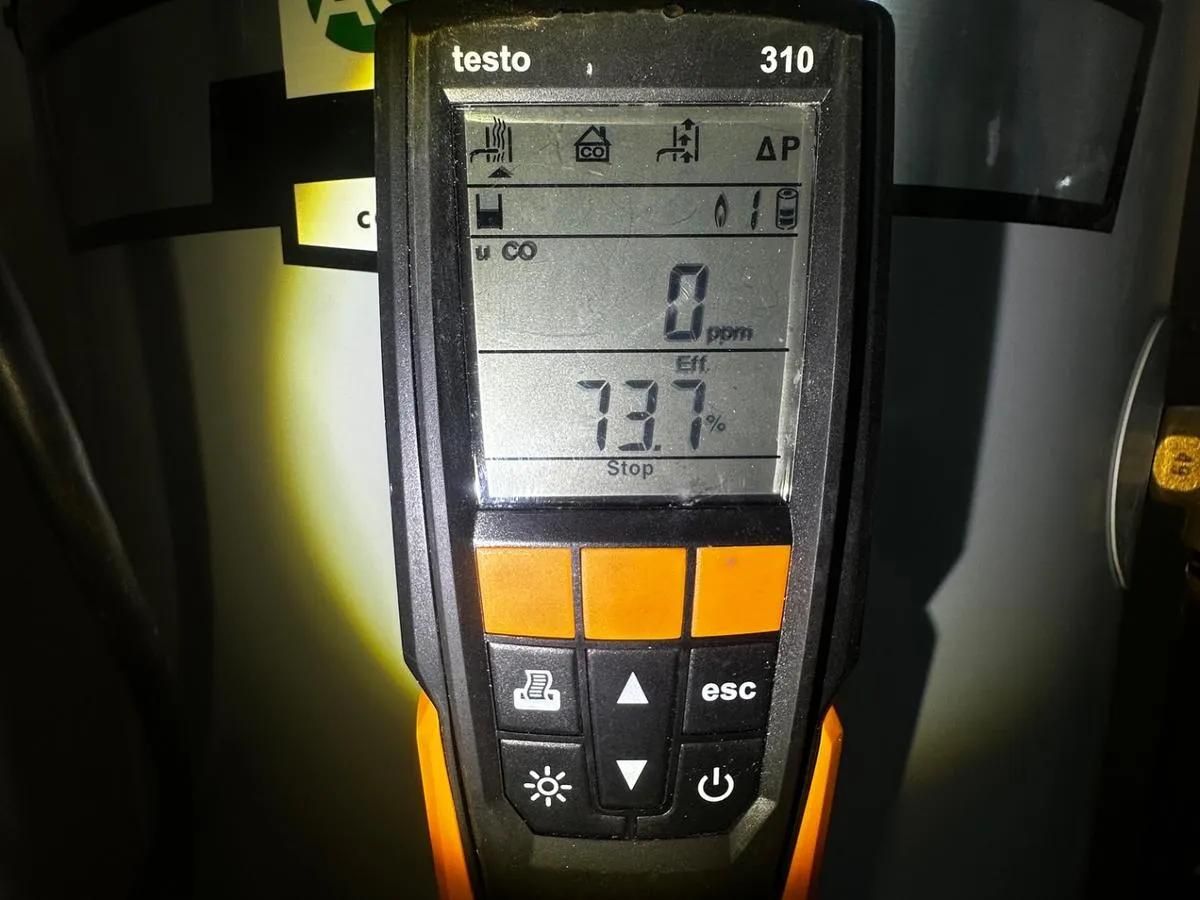
Your furnace, boiler, or heat pump is inspected for efficiency, age, and safety. Many Queens homes have heating systems that are 20 to 30 years old, operating well below their rated efficiency. The audit documents the system's condition so you can make informed decisions about repair versus replacement.
Safety Testing
We test for carbon monoxide risk from furnaces, boilers, and water heaters. We check gas line connections, evaluate ventilation, and look for moisture problems. These safety checks are a critical part of every audit and have identified dangerous conditions in Queens homes that the homeowner had no idea existed.
For a complete step-by-step breakdown of the audit process, see our full guide: Home Energy Audit NYC: What It Covers, What It Costs, and How to Get One for No Cost.
Common Problems Found in Queens Homes by Neighborhood
Jamaica, Hollis, St. Albans, and Springfield Gardens
Southeastern Queens has a dense concentration of detached colonials and Cape Cods from the 1940s and 1950s. The most common finding is completely empty wall cavities on all four sides of the house combined with thin, deteriorated attic insulation. Cape Cod homes with finished second floors are especially problematic because the knee wall areas and sloped ceiling sections are almost never insulated, making the upstairs unbearable in both summer and winter. These homes respond dramatically to full insulation and air sealing.
Ozone Park, Richmond Hill, and Woodhaven
These central Queens neighborhoods have a mix of semi-attached and attached homes, many with brick exteriors built in the 1930s and 1940s. The exposed front and rear walls are typically uninsulated. We find significant air leakage at the sill plate (where the house meets the foundation), around old windows, and through the attic where plumbing and electrical penetrations were never sealed. Basement ceilings are usually uninsulated, causing cold first floors.
Flushing, Bayside, Fresh Meadows, and Douglaston
Eastern Queens has many larger detached homes from the 1950s through 1970s. These homes have spacious attics with room for substantial insulation upgrades. Wall cavities are almost always empty. Because these are fully detached homes with large footprints, the total energy loss is significant, but so is the potential savings. A full insulation project on a detached Bayside colonial can reduce heating costs by 30% or more.
Astoria, Long Island City, and Sunnyside
Western Queens has more attached row houses and multi-story buildings. The energy audit focus here shifts to the front and back walls (the exposed ones), the top-floor ceiling, and basement insulation. Even though party walls are shared with neighbors, there is still significant energy loss through the two exposed facades, especially in older brick construction where mortar joints have deteriorated and air moves freely through the wall assembly.
Howard Beach, Broad Channel, and Rockaway
Waterfront Queens neighborhoods deal with wind-driven air infiltration on top of the usual insulation issues. Blower door tests in Howard Beach homes often measure higher air leakage than comparable homes further inland because the constant wind pushes air through every gap in the building envelope. Air sealing is especially critical in these areas.
Ridgewood, Maspeth, and Middle Village
These neighborhoods have a mix of semi-detached homes and smaller multi-family buildings, many from the 1920s through 1940s. Older construction methods like balloon framing are common here, creating open channels inside the walls that move air continuously from the basement to the attic. Without insulation and air sealing in these channels, the house loses heat constantly. Dense-pack cellulose insulation fills these voids and stops the air movement.
Queens homeowner? Find out exactly where your home is losing energy.
Learn about EmPower+ for Queens homeowners or schedule your energy audit.
(800) 454-1556How Queens Homeowners Can Get an Energy Audit at No Cost
Most Queens homeowners we work with do not pay for their energy audit. The EmPower+ program, funded by New York State through NYSERDA, covers the full cost of the audit and many of the recommended upgrades for income-eligible households.
Tier 1 households (income at or below 60% of Area Median Income) can receive up to $14,000 in covered energy upgrades at no cost. Tier 3 households (60% to 80% AMI) get 50% of project costs covered, up to $7,000.
If you receive HEAP, SNAP, TANF, SSI, or similar public assistance benefits, you likely pre-qualify automatically. Check the 2026 income requirements for NYC to see if your household is eligible.
If you do not qualify for EmPower+, a paid energy audit from a BPI-certified contractor in Queens typically costs $200 to $500 depending on the size of your home.
For full details on the program for Queens residents, see our EmPower+ Program Queens guide.
What Improvements Make the Biggest Difference in Queens Homes
Attic Insulation
The highest-impact upgrade for almost every Queens home. Blown-in cellulose insulation brings the attic up to R-49 and dramatically reduces heat loss through the roof. For Cape Cod homes with finished attics, insulating the knee walls and sloped ceiling sections transforms the comfort of the entire second floor.
Wall Insulation
Dense-pack cellulose fills the empty wall cavities that are present in virtually every pre-war Queens home. Small holes are drilled from the exterior, insulation is injected under pressure to fill every void, and the holes are patched. No interior disruption. The difference in comfort is noticeable immediately, especially on exterior walls that used to feel cold to the touch.
Air Sealing
Every penetration, gap, and crack between the living space and the attic, basement, or outside gets sealed. This is especially important in Queens homes with balloon framing, where open wall channels move large volumes of air through the house. Air sealing is always done alongside insulation for maximum effectiveness.
Basement Ceiling Insulation
Cold first floors are one of the most common complaints from Queens homeowners. The fix is straightforward: insulate the basement ceiling to keep the heat in your living space above. This is a relatively quick upgrade that delivers immediate comfort improvement.
Frequently Asked Questions
How much does an energy audit cost in Queens?
For income-eligible households, the energy audit is at no cost through the EmPower+ program. If you do not qualify, a paid audit from a BPI-certified contractor typically costs $200 to $500. Some contractors, including NY Energy Project, offer complimentary energy assessments as part of the insulation process.
How long does an energy audit take in a Queens home?
A comprehensive energy audit takes two to three hours for a typical Queens home. Larger homes or homes with complex layouts may take longer. The auditor needs time to run the blower door test, scan with thermal imaging, inspect insulation levels, and evaluate the heating system.
What is the most common problem found in Queens homes?
Empty wall cavities with no insulation. This is present in the vast majority of Queens homes built before the 1970s. The second most common issue is insufficient attic insulation, with most homes having far less than the current R-49 standard.
Will the energy audit tell me if my heating system needs to be replaced?
The audit documents your heating system's age, condition, and efficiency rating. While the auditor will not tell you to replace it, the report gives you the information you need to make that decision. In many cases, proper insulation and air sealing reduce the load on your heating system enough that it works more effectively even if it is older.
I live in a two-family home in Queens. Can both units be audited?
Yes. Both units in a two-family Queens home can be audited and upgraded through EmPower+. In fact, addressing both units together produces better results because air sealing and insulation work most effectively when the entire building envelope is treated.
How soon will I notice a difference after the upgrades?
Most Queens homeowners notice a difference immediately. Drafts are reduced or eliminated, rooms that were always cold become comfortable, and the heating system runs less frequently. The full energy savings become clear over the first heating season, with typical reductions of 20% to 40% on utility bills.
Related Resources
- Home Energy Audit NYC: Full Guide to the Process, Costs, and Programs
- EmPower+ Program in Queens: No-Cost Energy Upgrades
- EmPower+ Program: Full Overview for NYC Homeowners
- 2026 EmPower+ Income Requirements for NYC
- Is EmPower+ Legit? What NYC Homeowners Need to Know
- EmPower+ FAQ: Common Questions NYC Homeowners Ask
- All NY Energy Project Services in Queens
NY Energy Project: Your Queens Energy Audit Experts
We are a participating contractor in the EmPower+ program serving all Queens neighborhoods. From the initial audit through the completed upgrades, we handle every step.
