
Wall Insulation
Your home almost certainly has wall insulation, but is it enough? Insufficient or improperly installed wall insulation leads to air leaks, uncomfortable rooms, and energy bills that keep climbing. We use dense-packed cellulose to completely fill wall cavities and eliminate drafts for good.
Why Dense-Packed Cellulose for Walls?
Standard fiberglass batts leave gaps around wires, pipes, and irregular framing inside your walls. Over time, batts can also sag and settle, creating voids that let air pass freely through the wall cavity. Dense-packed cellulose solves this by completely filling every inch of space under pressure, conforming tightly around obstacles to create a seamless thermal and air barrier.
Dense packing cellulose into wall cavities, including previously insulated ones, delivers a higher effective R-value and noticeably better comfort than fiberglass. The result is walls that actually stop air movement, keeping conditioned air inside where it belongs and outdoor temperatures where they belong -- outside.
Signs Your Wall Insulation Needs Upgrading
Not sure if your walls are properly insulated? These are the most common indicators that your wall insulation is failing.
Uneven Room Temperatures
Some rooms feel too hot in summer and too cold in winter, while others stay comfortable. This is a clear sign of gaps in your wall insulation.
High Energy Bills
Your HVAC system works harder to compensate for heat escaping through poorly insulated walls, driving up monthly utility costs.
Drafts Near Walls
Cold air seeping through exterior walls, especially around outlets and switch plates, indicates missing or settled insulation in the wall cavities.
Ice Dams in Winter
Heat escaping through walls and into the attic can contribute to ice dam formation along your roofline, causing potential water damage.
Walls Cold to the Touch
If interior walls feel noticeably cold during winter months, the insulation inside the cavity is likely insufficient or has deteriorated.
Noise From Outside
Properly insulated walls act as a sound barrier. If you hear excessive street noise, your wall insulation may need upgrading.
How We Insulate Finished Walls
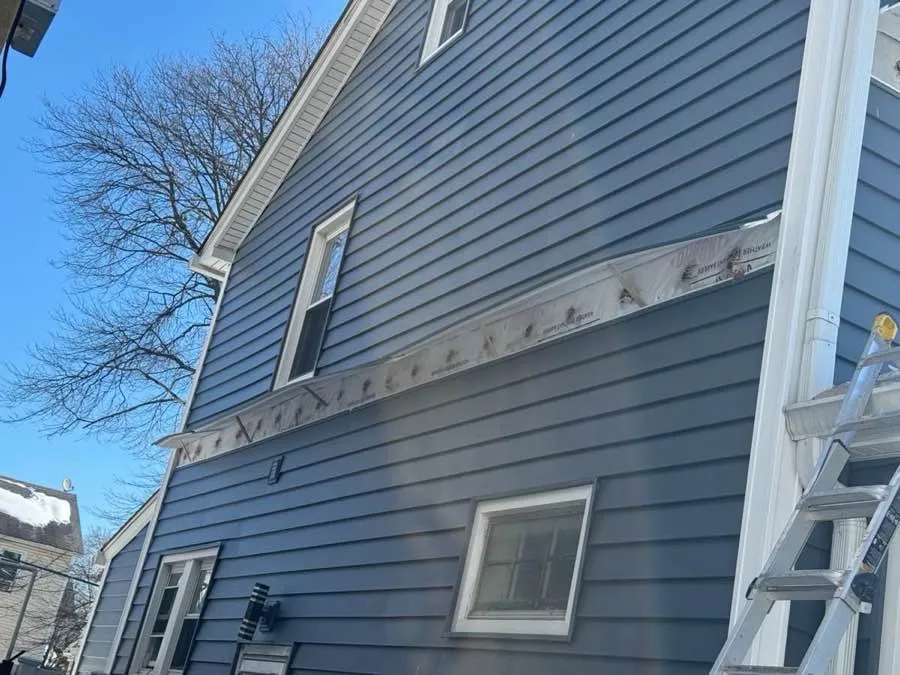
Insulating finished walls is tricky because the studs are hidden behind wallboard and siding. Our team has the proper techniques to get insulation inside without disturbing your interior.
Evaluate
We perform a home energy audit to assess your current wall insulation levels and identify which areas are losing the most energy.
Access
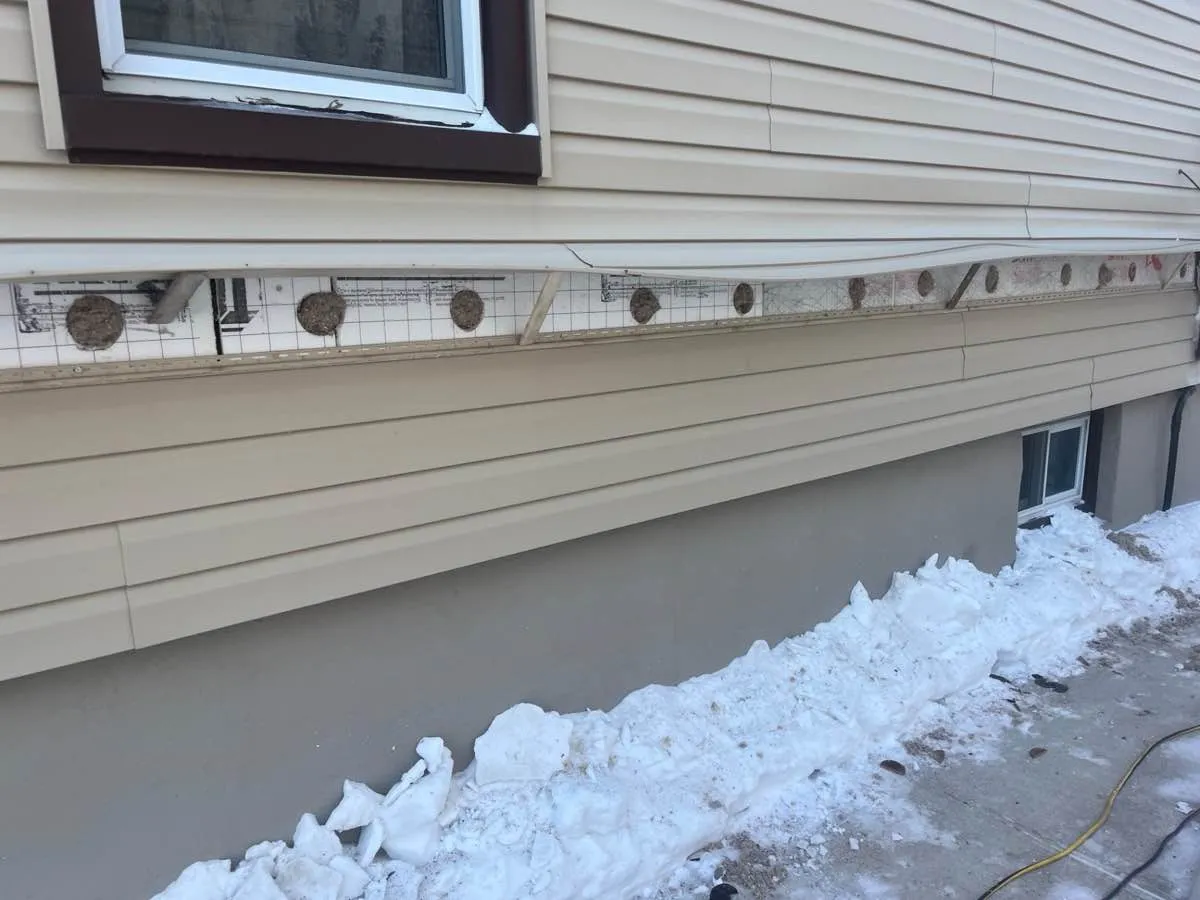
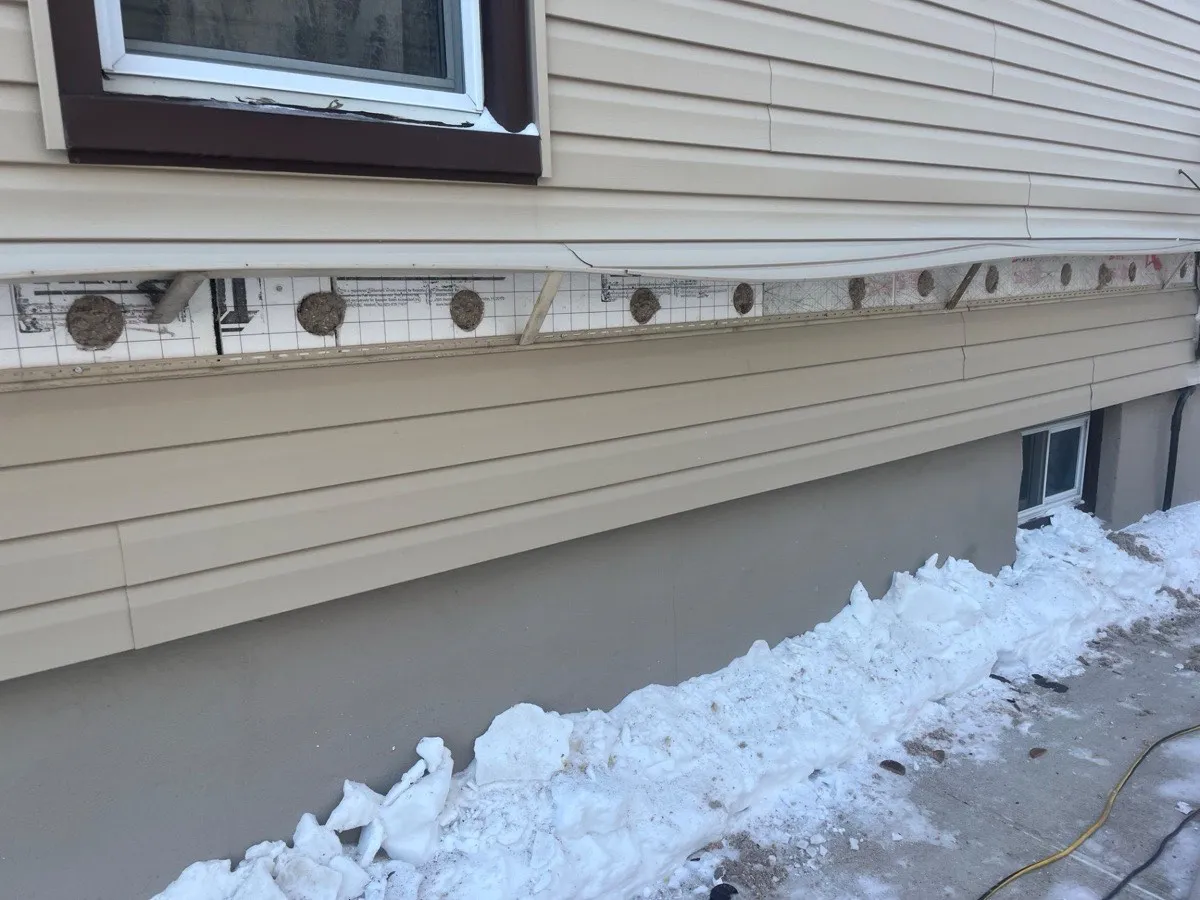
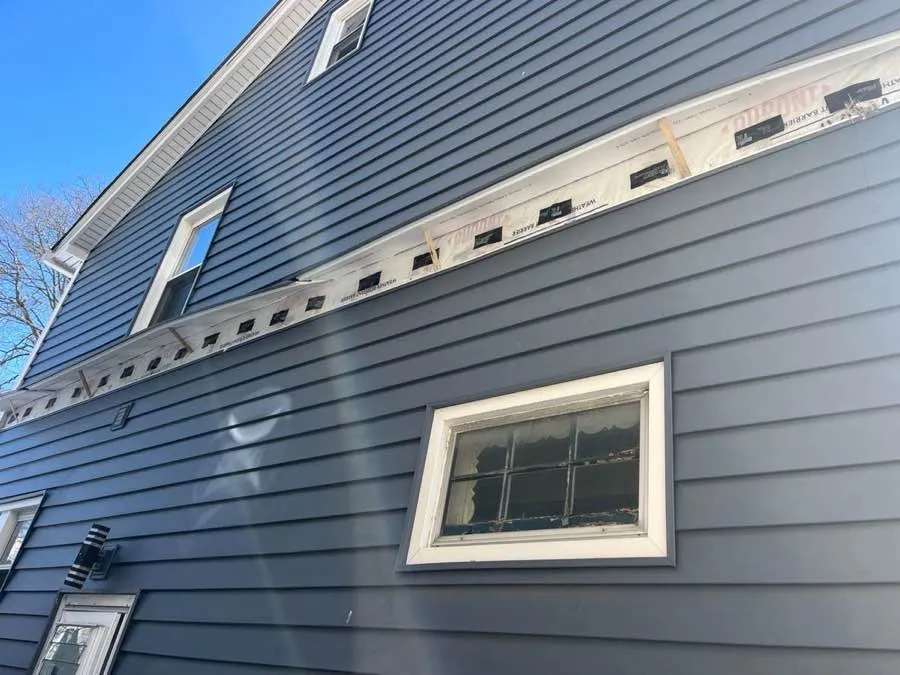
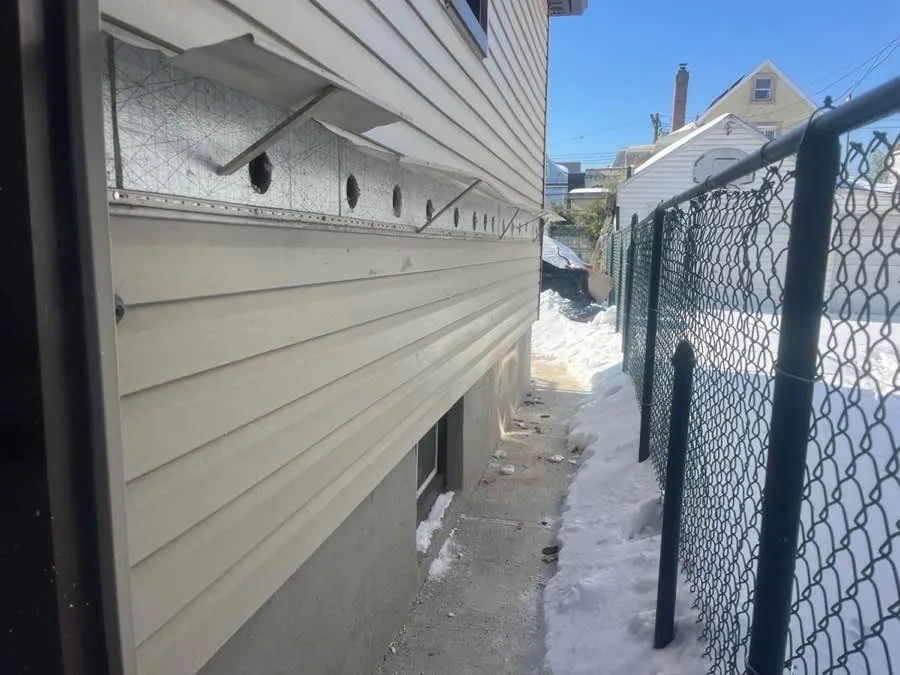
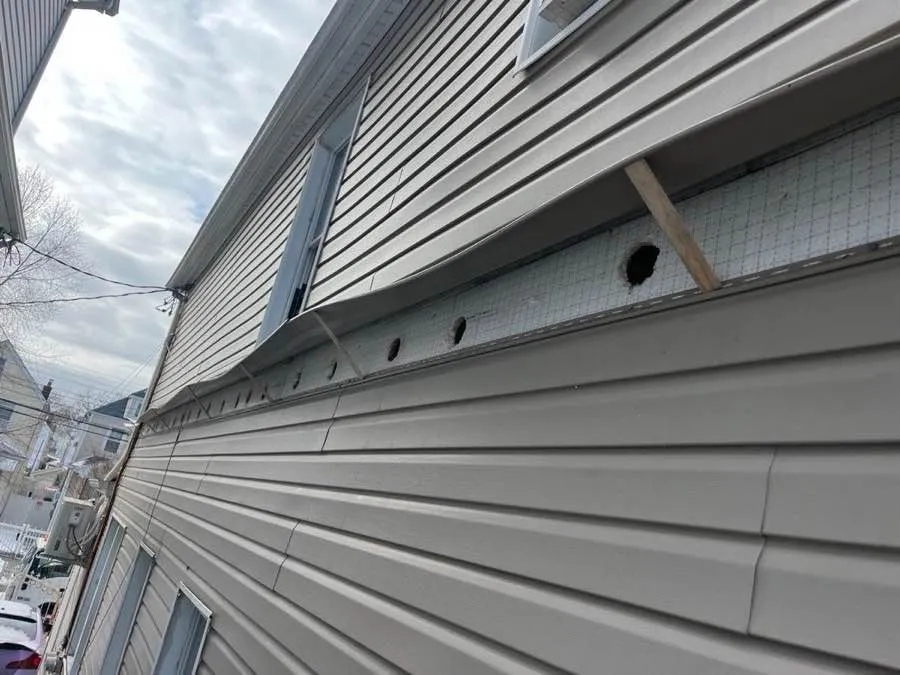
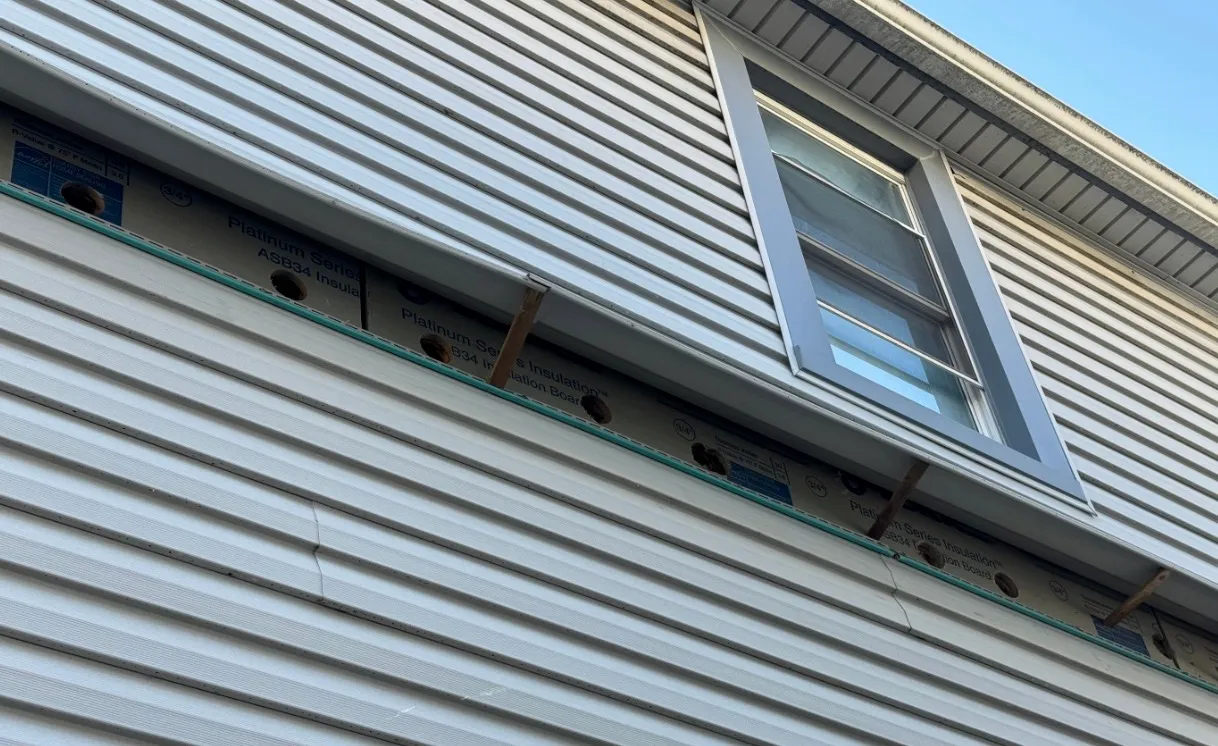
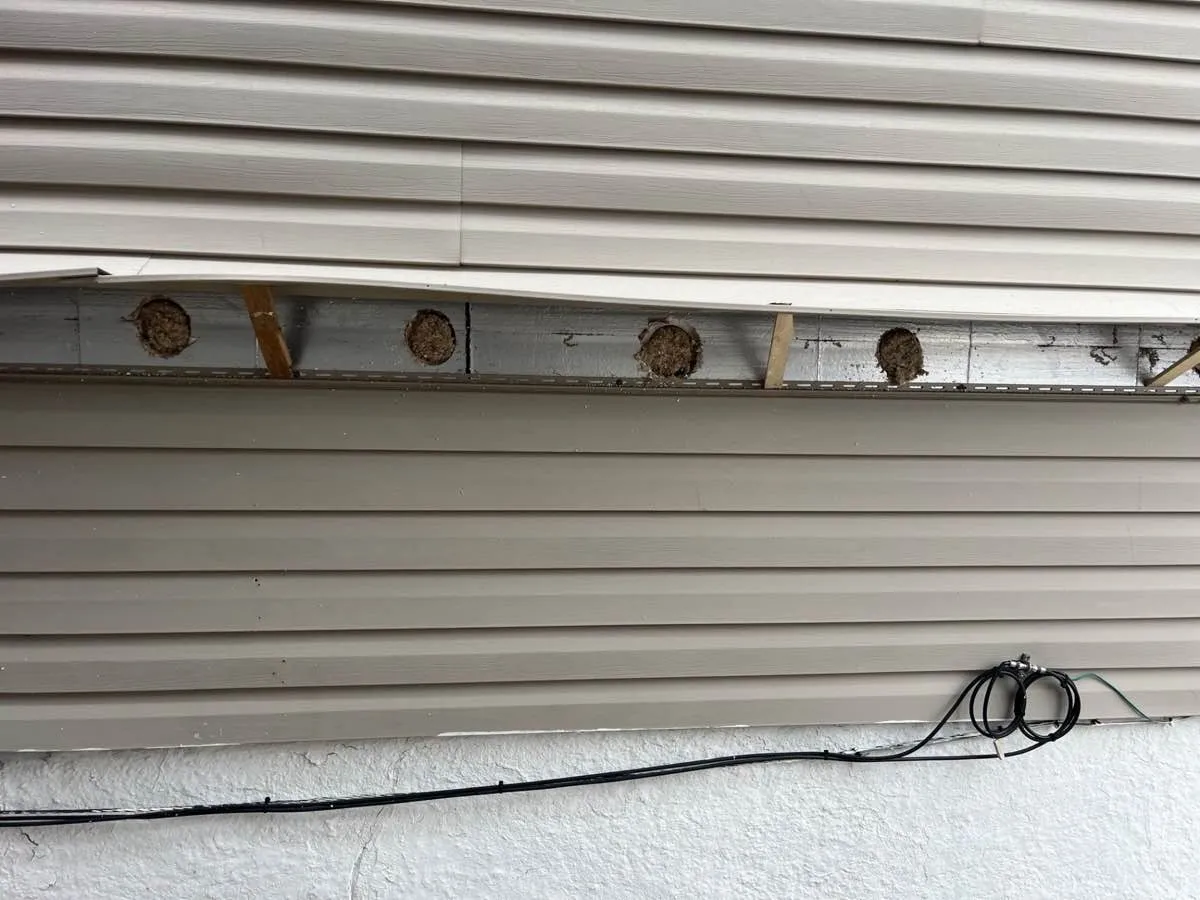
We access wall cavities from the exterior by carefully removing siding or shingles and drilling small holes into each stud bay.
Dense Pack
We blow dense-packed cellulose into each wall cavity, continuously adjusting the hose to ensure every space is completely filled with insulation.
Seal & Restore
All access holes are sealed airtight and your siding or shingles are reinstalled, leaving your home looking exactly as it did before.
A Complete Home Energy Approach
Wall insulation is just one part of making your home comfortable and energy efficient. Our complete home energy audit evaluates your entire home, from attic to basement, to identify exactly where energy is being wasted. We then provide a prioritized list of improvements tailored to your specific problems and budget.
In addition to wall insulation, we offer attic insulation, basement insulation, crawl space insulation, air sealing, and more. By addressing your home as a whole system, we deliver results that a single improvement cannot match on its own.
100%
Cavity Fill Rate
0
Interior Disruption
BPI
Certified Installers
Free
Energy Audit & Estimate
When Exterior Access Is Not an Option
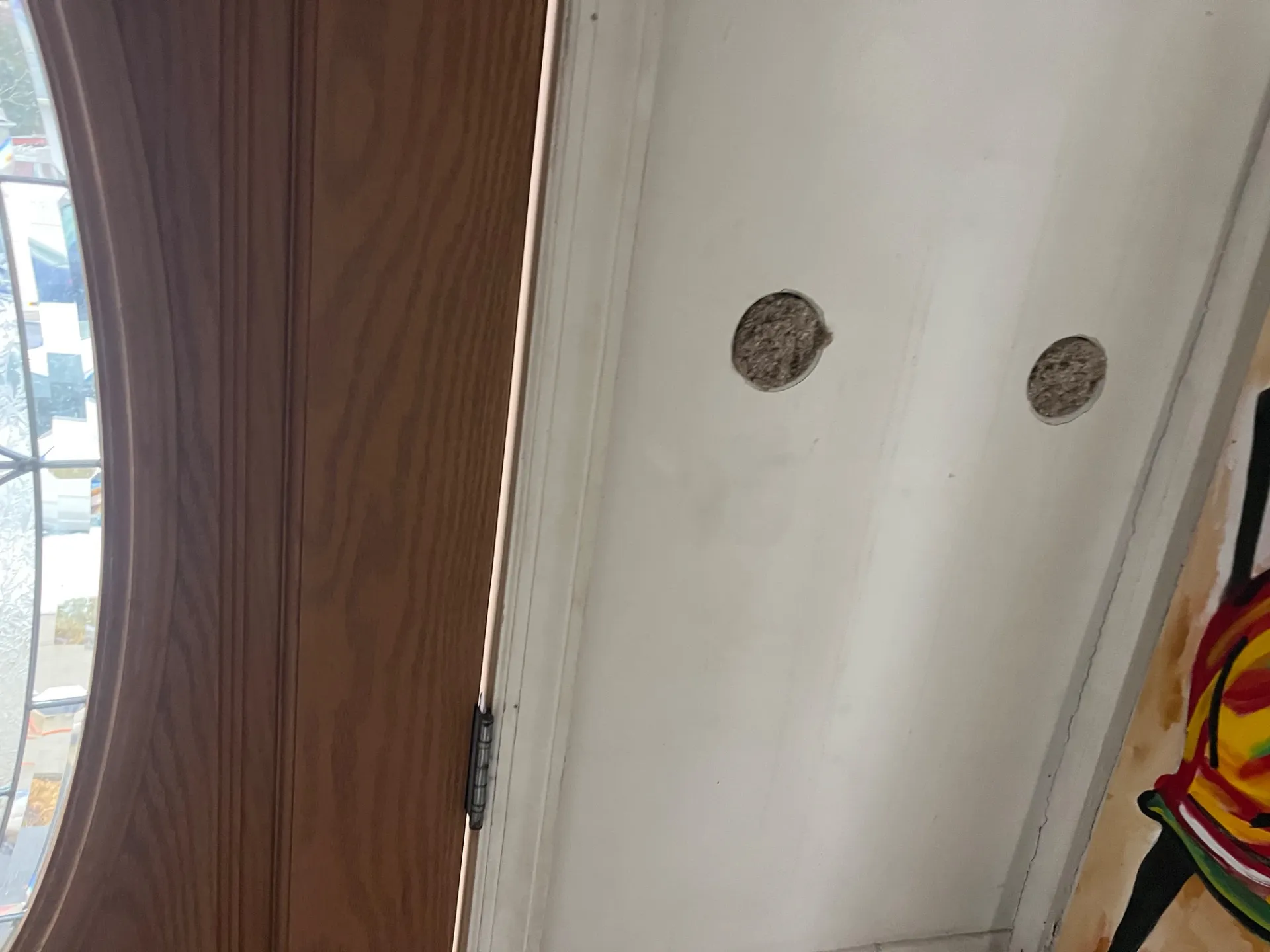
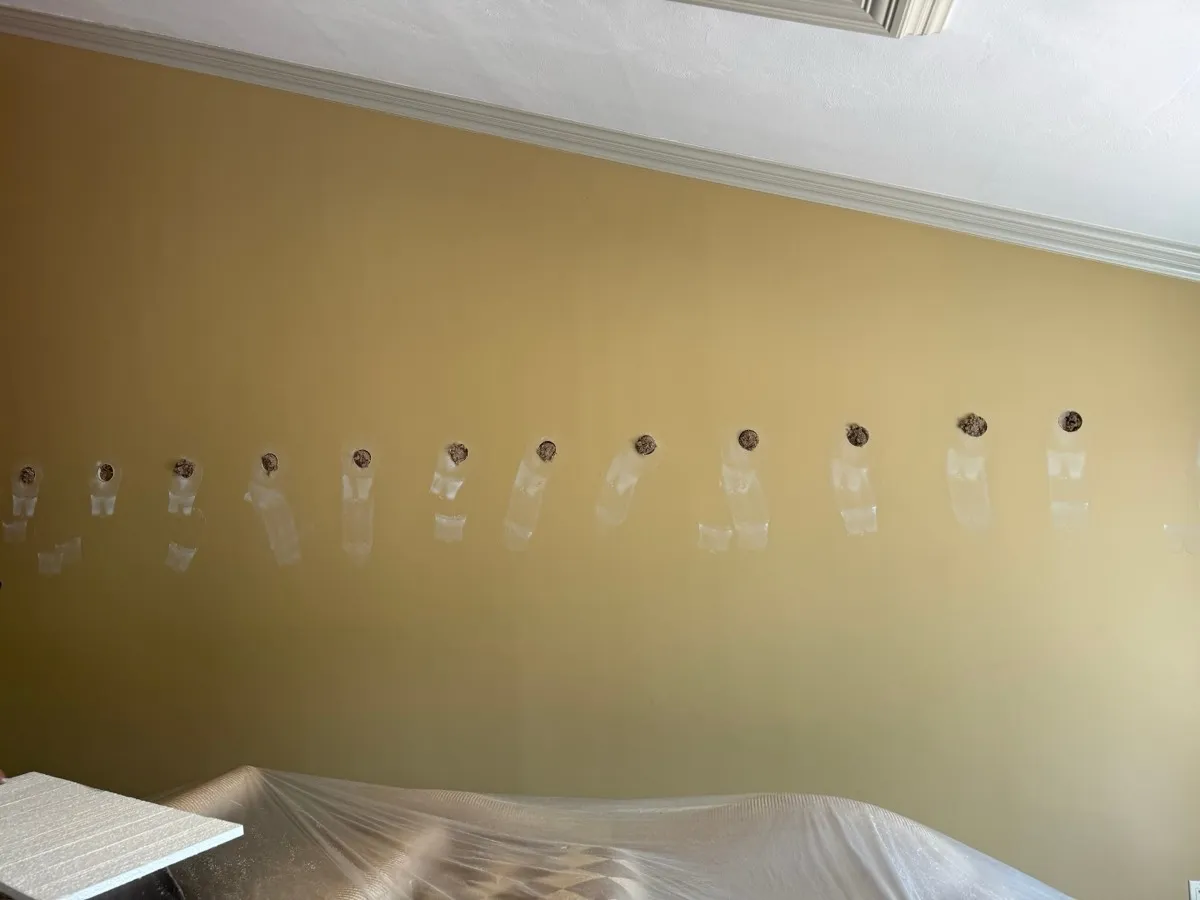
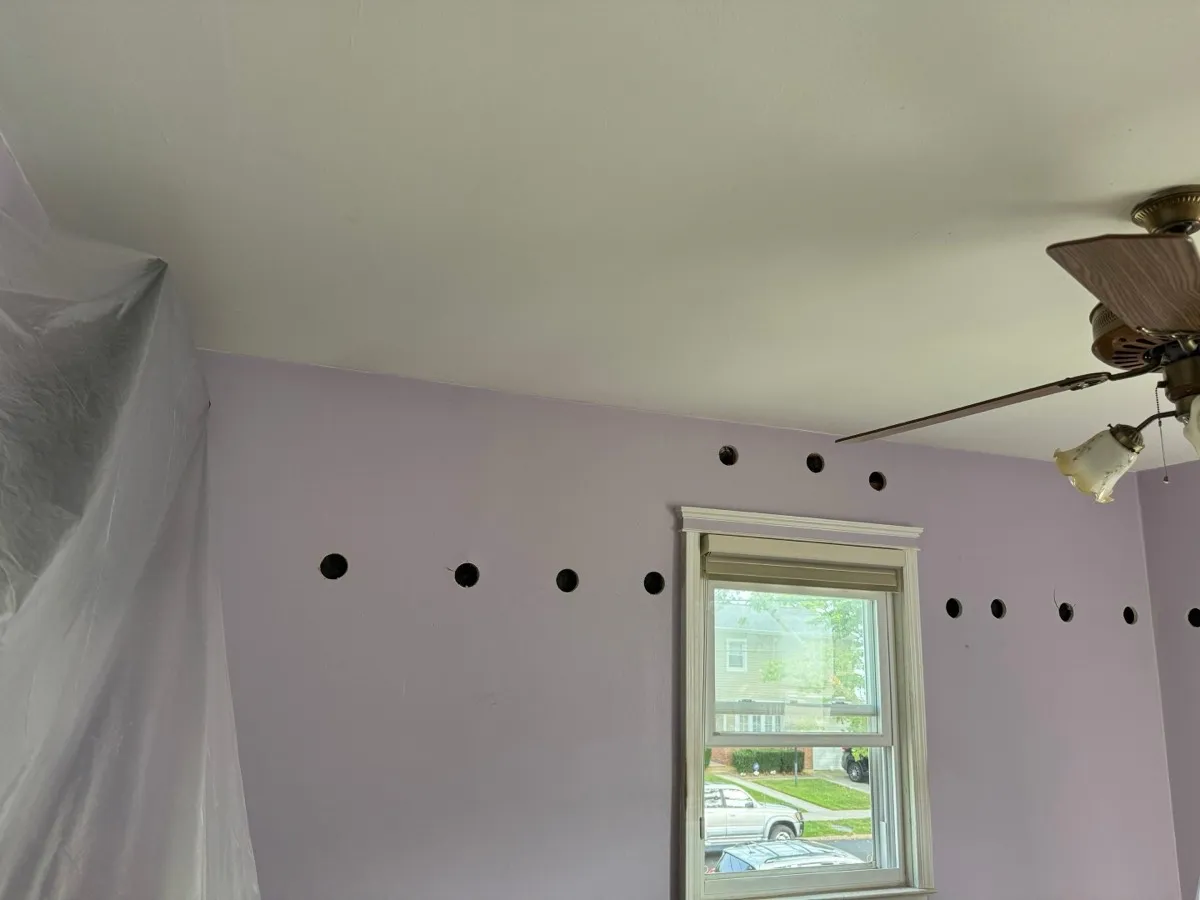
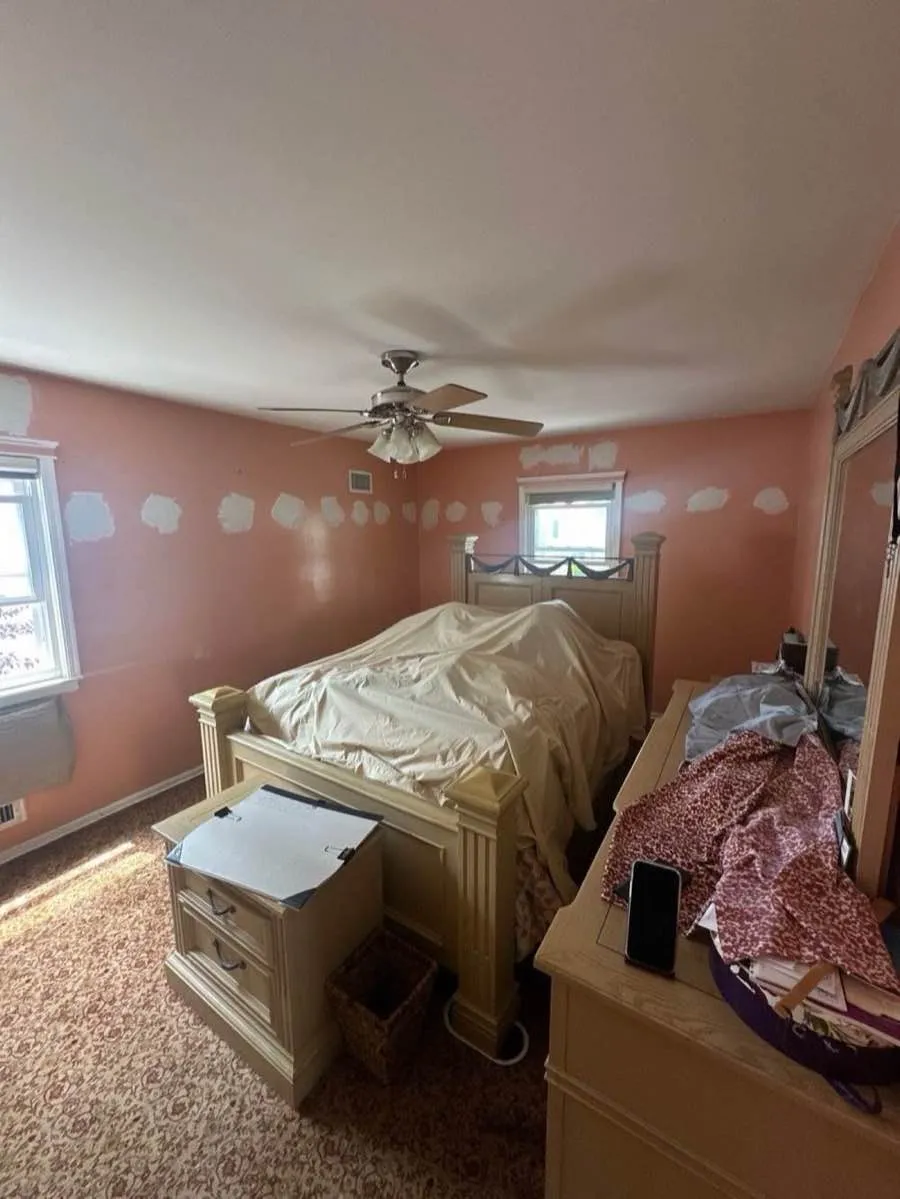
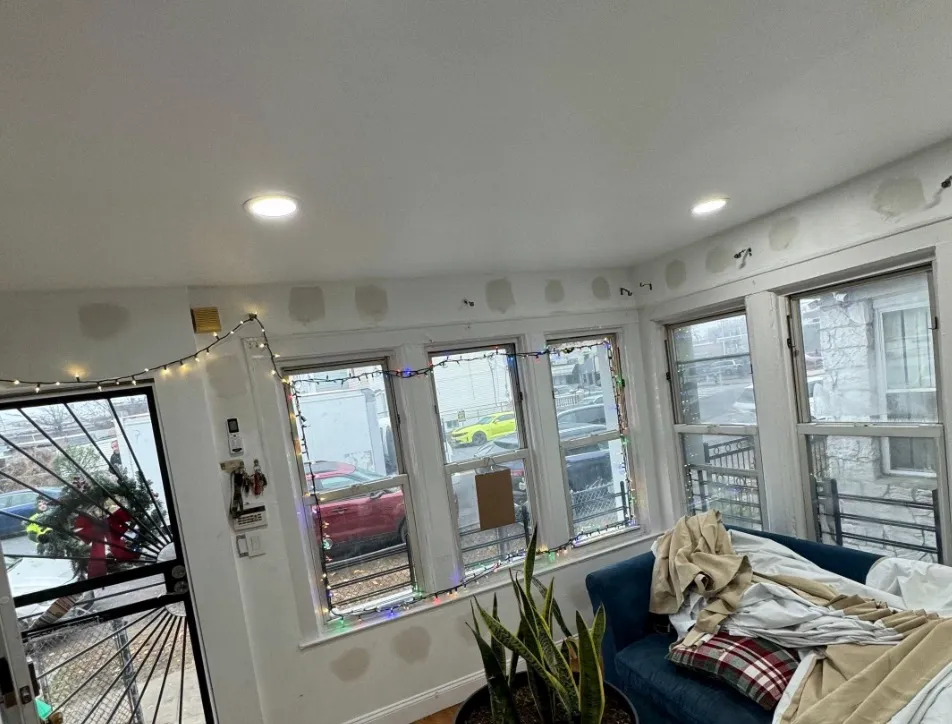
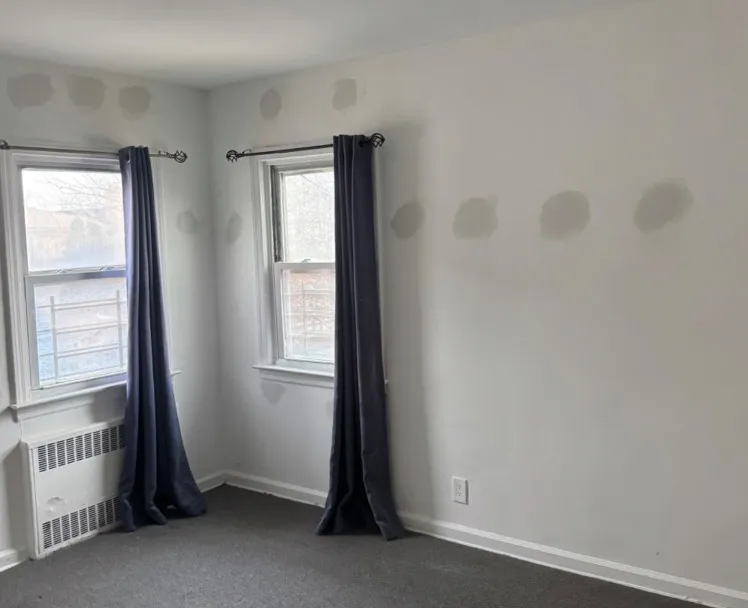
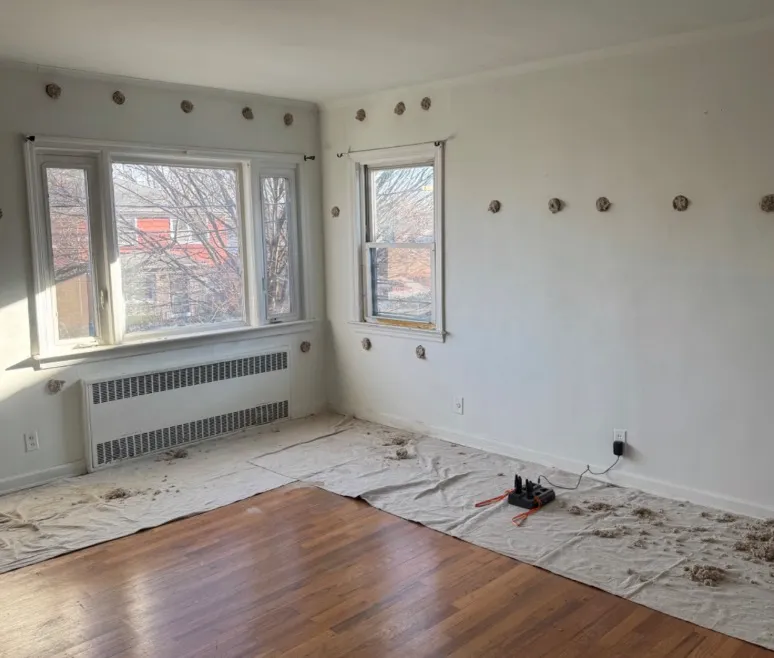
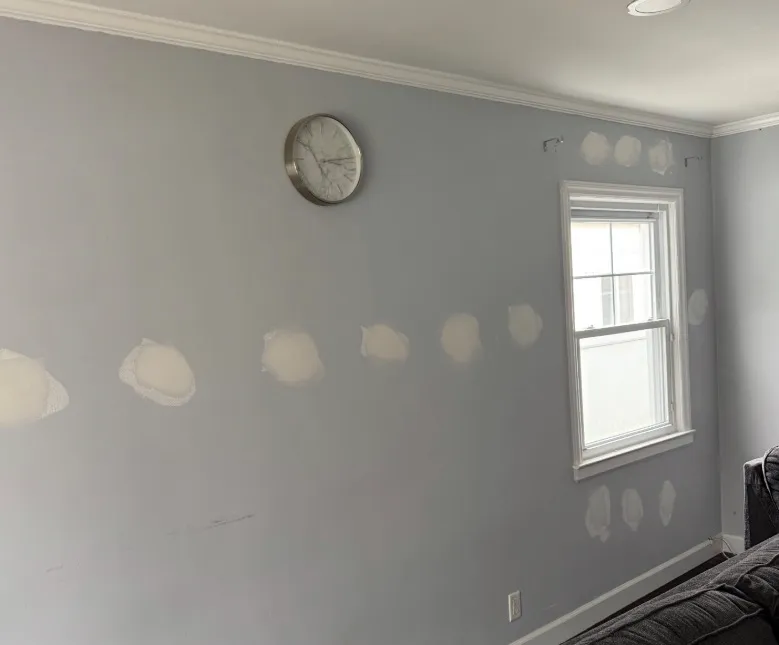
In some cases, working from the outside is not possible. Homes with wooden shingles, brick siding, or other exterior finishes that cannot be removed and reinstalled without damage require a different approach. We insulate these walls from the interior instead, drilling small access holes through the drywall in each room.
Homes with asbestos-containing siding are another situation where exterior access is off the table. Asbestos fibers are a known carcinogen. When asbestos siding is cut, drilled, or broken, microscopic fibers become airborne and can be inhaled, causing serious lung disease and cancer with even brief exposure. We will never disturb asbestos siding under any circumstances. We refuse to put our crews or your family at risk. For these homes, interior access is the only safe and responsible method, and we treat it with the seriousness it deserves.
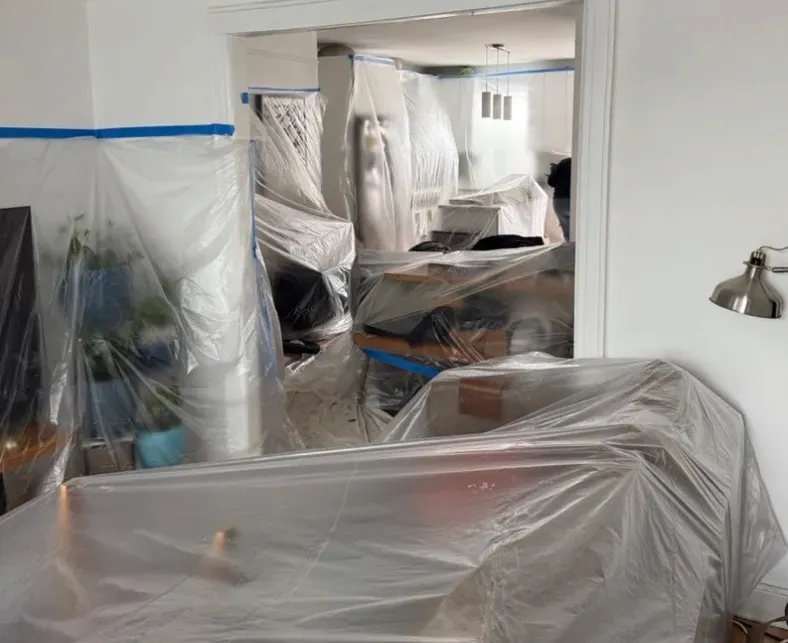
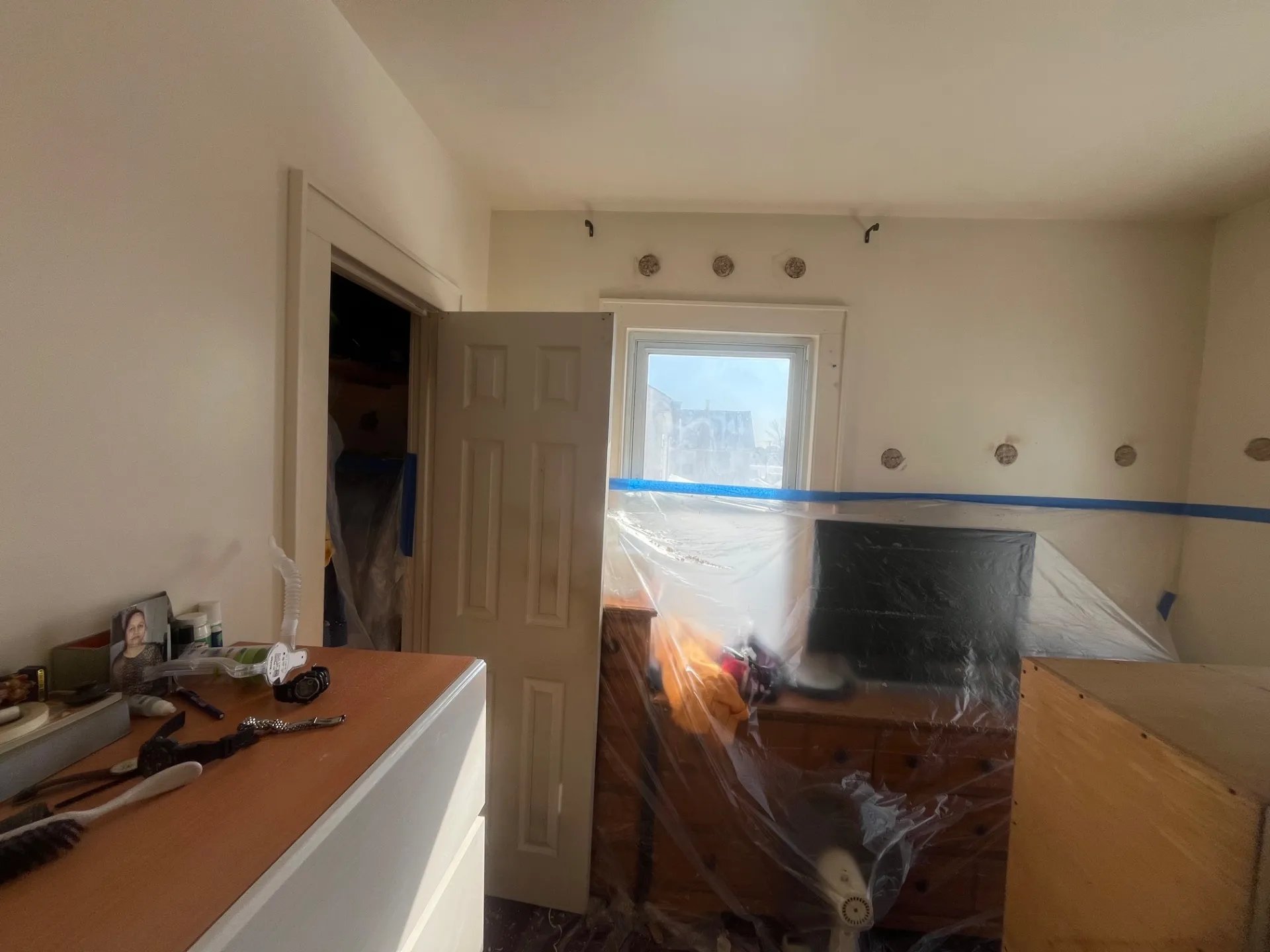
Before any interior work begins, our cleaning crew wraps all furniture in protective plastic, covers every floor with drop cloths, and seals off work areas from the rest of the house. After the cellulose is blown in and every hole is patched and spackled, we clean the entire space from top to bottom. Homeowners consistently tell us we leave their house cleaner than we found it.
Wall Insulation Methods Compared
Compare wall insulation options to understand why dense-packed cellulose is the best choice for finished walls.
| Feature | Dense-Pack Cellulose | Fiberglass Batts | Injection Foam |
|---|---|---|---|
| Cavity Fill Rate | 100% under pressure | Gaps around wires/pipes | 100% expanding fill |
| Air Sealing | Built-in at 3.5+ lbs/ft³ | None | Built-in air barrier |
| R-Value Per Inch | R-3.7 to R-4 | R-3.2 | R-4.5 to R-5 |
| Soundproofing | Excellent | Fair | Good |
| Settling Over Time | None (dense packed) | Sags and settles | None |
| Works in Finished Walls | Yes, from exterior | Requires open walls | Yes, from exterior |
| Cost | Best value | Cheapest (new construction only) | Premium |
Wall Insulation Questions
Common questions about wall insulation, dense-packed cellulose, and the installation process.
How do you insulate walls without tearing them open?
We access wall cavities from the exterior by carefully removing a course of siding or shingles, then drilling small holes into each stud bay. Dense-packed cellulose is blown in through the holes until every cavity is completely filled. The holes are sealed and the siding is reinstalled, leaving your interior walls untouched.
What is dense-packed cellulose?
Dense-packed cellulose is recycled paper fiber blown into wall cavities under pressure at a density of 3.5 pounds per cubic foot or higher. At this density, it fills every gap around wires, pipes, and irregular framing while also resisting air movement through the wall cavity. It provides both thermal insulation and air sealing in one step.
Is dense-packed cellulose better than fiberglass batts for walls?
Yes. Fiberglass batts leave gaps around wires, pipes, and uneven framing, and they can sag over time. Dense-packed cellulose fills 100% of the wall cavity under pressure, conforming tightly around every obstacle. It delivers a higher effective R-value and significantly better air sealing than fiberglass batts in real-world conditions.
How much does wall insulation cost in NYC?
Wall insulation costs depend on the number of exterior walls, the type of siding, and whether existing insulation needs to be supplemented or replaced. NY Energy Project provides free energy audits and estimates. Many NYC homeowners qualify for rebates through the NYSERDA EmPower+ program that can significantly reduce the cost.
Can you insulate walls that already have some insulation?
Yes. Many older NYC homes have thin or settled fiberglass in the walls that leaves large voids. We can dense-pack cellulose over existing insulation to fill those voids and bring the wall cavity to its full insulating potential. A thermal imaging scan during our energy audit shows exactly where the gaps are.
Will wall insulation reduce noise from outside?
Yes. Dense-packed cellulose is one of the best insulation materials for soundproofing because its density and fiber structure absorb sound vibrations. Homeowners consistently report a noticeable reduction in street noise, traffic, and neighbor sounds after their walls are insulated.
Related Insulation Services
Wall insulation works best as part of a complete home energy solution. Explore our other services.
Cellulose Insulation
Dense-packed cellulose is made from 85% recycled paper. Learn more about this eco-friendly material and its thermal performance.
View cellulose detailsAttic Insulation
Your attic is the #1 source of energy loss. Upgrading attic insulation with air sealing can cut heating and cooling costs by up to 40%.
View attic insulationBlown-In Insulation
The blown-in installation method is used for both walls and attics. Same-day install with cellulose or fiberglass.
View blown-in processWall Insulation Services Across NYC
NY Energy Project provides professional wall insulation services throughout Brooklyn, Queens, Staten Island, the Bronx, Manhattan, and the surrounding areas.


NY Energy Project is a BPI-certified contractor and participating contractor in NYSERDA's EmPower+ program.
Get a Free Wall Insulation Estimate
If you have uncomfortable rooms or rising utility bills, our insulation experts are ready to help. We will evaluate your home and provide the right solutions to make every room comfortable and energy efficient. Schedule your free estimate today.
