
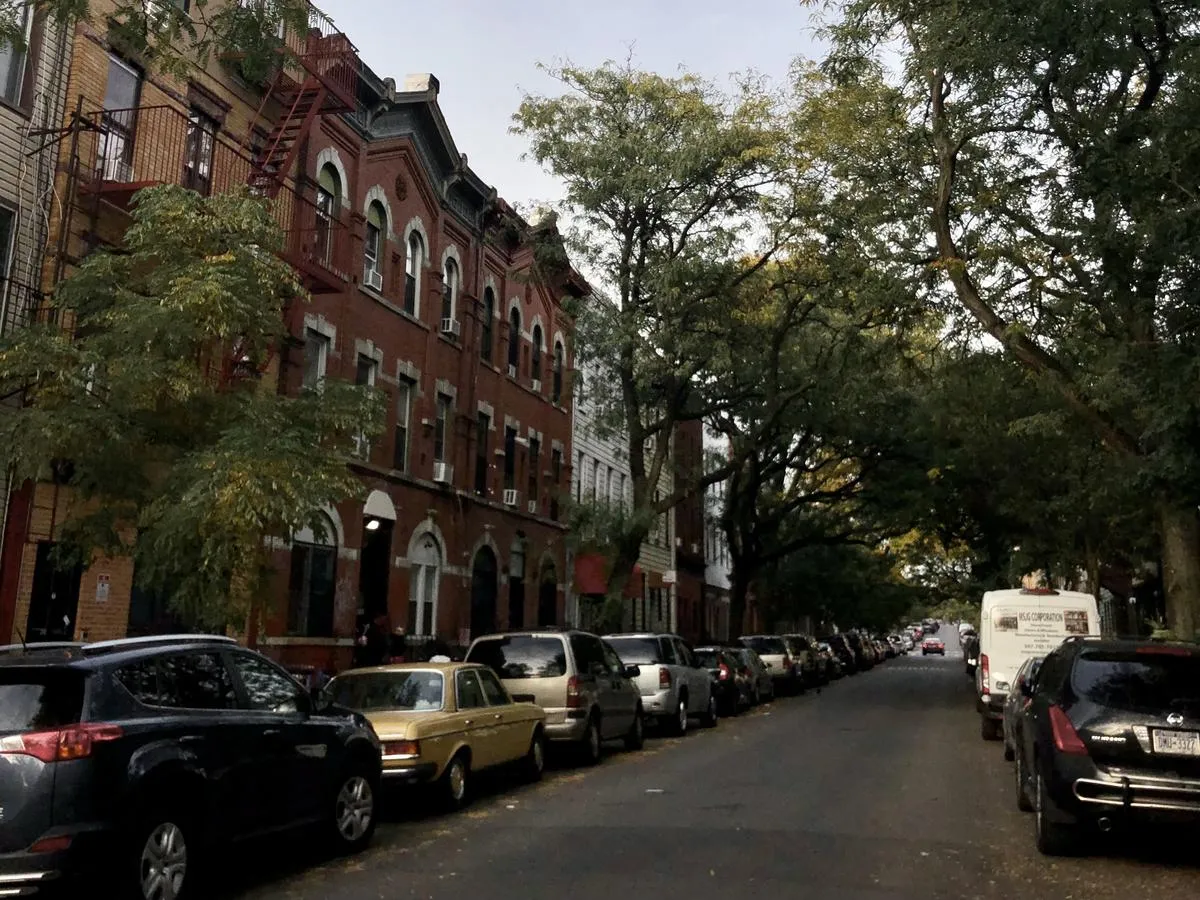
Brooklyn homes have a reputation for character: pre-war brick row houses in East New York, detached colonials in Canarsie, clapboard-sided homes in Flatlands, limestone-front brownstones in East Flatbush. They look great from the outside. Inside, most of them are bleeding energy.
That is not a guess. After performing hundreds of energy audits across Brooklyn, we see the same patterns over and over: hollow walls with zero insulation, attics with barely two inches of coverage, air leaks around every pipe and wire that passes through a floor or ceiling. The houses were built decades before anyone thought about energy efficiency, and most have never been upgraded.
An energy audit tells you exactly where your Brooklyn home is wasting energy, how bad the problem is, and what to fix first. This guide covers what Brooklyn homeowners specifically need to know, including the common problems we find in different neighborhoods and how most Brooklyn residents can get an audit at no cost.
Why Brooklyn Homes Waste More Energy Than You Think
Most of Brooklyn's residential housing stock was built between the 1920s and 1960s. Back then, insulation was an afterthought if it was considered at all. The result is homes that are expensive to heat in winter, uncomfortable in summer, and drafty year-round.
Brooklyn has specific challenges that make energy waste worse than in many other parts of New York City:
Attached Row Houses and Shared Walls
A large portion of Brooklyn's housing is attached row houses. Many homeowners assume shared walls do not lose heat because there is a neighbor on the other side. That is only partially true. Party walls in older Brooklyn row houses often have gaps and air channels that allow air movement between units and to the outside. During a blower door test, we frequently find significant air leakage through party walls, especially in the attic where the wall cavities open up into shared roof spaces.
Balloon Framing in Pre-War Construction
Many older Brooklyn homes use balloon framing, a construction method where wall studs run continuously from the foundation to the roof. This creates open channels inside the walls that act like chimneys, pulling cold air up from the basement and venting warm air into the attic. Without insulation and air sealing in these cavities, the house loses heat constantly. This is one of the biggest energy problems we find in pre-war Brooklyn homes, and it is invisible without proper testing.
Uninsulated Solid Masonry
Brooklyn has thousands of solid brick and masonry homes. Unlike wood-framed houses that have wall cavities you can fill with insulation, solid masonry walls conduct heat directly from inside to outside. In winter, touching an exterior brick wall inside the house often feels like touching a block of ice. These homes require different insulation approaches than standard framed construction.
Flat Roofs and Top-Floor Heat Loss
Many Brooklyn row houses and multi-family buildings have flat or low-slope roofs. The space between the top-floor ceiling and the roof is often minimal, making it difficult to insulate properly. We regularly find Brooklyn homes with little to no insulation in this critical area, causing the top floor to be the hottest room in summer and the coldest in winter.
Common Problems We Find by Brooklyn Neighborhood
Every Brooklyn neighborhood has its own housing stock and its own typical energy problems. Here is what we see most often in the areas we serve.
East New York
East New York has a mix of detached wood-frame houses, semi-attached brick homes, and small multi-family buildings. The most common issue we find is completely hollow exterior walls with no insulation at all. Many of these homes were built in the 1940s and 1950s with basic framing and no wall insulation was ever installed. Attic insulation is usually thin or deteriorated. The good news is that these homes respond well to blown-in cellulose insulation and air sealing, often with noticeable comfort improvement within the first heating season.
Canarsie
Canarsie has many detached and semi-detached one- and two-family homes built in the 1950s and 1960s. These are often Cape Cod or colonial-style homes with finished attics and knee walls. The knee wall areas are almost never insulated properly, creating rooms that are freezing in winter and sweltering in summer. We also find a lot of ductwork running through uninsulated spaces, which means the heating and cooling system works hard but much of the conditioned air is lost before it reaches the living spaces.
Flatlands
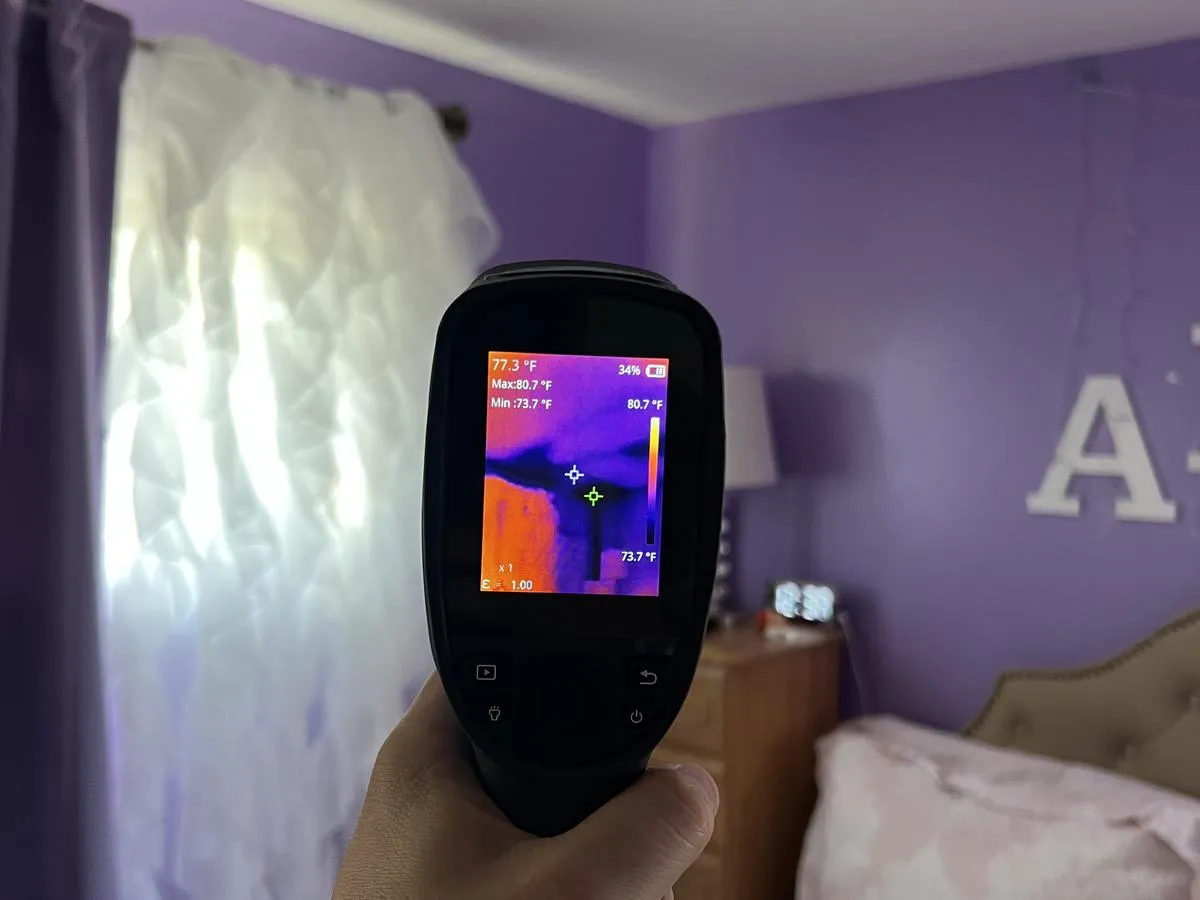
Flatlands has a mix of single-family homes and small apartment buildings. Many of the houses here are wood-framed with aluminum or vinyl siding installed over the original exterior. When siding was added, insulation was sometimes blown in behind it, but often unevenly or not at all. Thermal imaging during an energy audit reveals exactly where insulation is present and where the walls are hollow. Basement insulation is frequently missing in Flatlands homes, contributing to cold first floors.
East Flatbush
East Flatbush has a high concentration of attached and semi-attached brick row houses, many built in the 1920s through 1940s. These homes typically have plaster walls over wood lath with empty wall cavities behind them. Balloon framing is common here, and we often measure some of the highest air leakage rates in these older brick homes. Dense-pack cellulose insulation works well in these wall types because it fills the cavities and reduces air movement within the walls.
Brownsville
Brownsville's housing includes both older row houses and post-war housing developments. The row houses share many of the same issues as East New York and East Flatbush: hollow walls, minimal attic insulation, and significant air leakage. We often find that previous homeowners made partial improvements (like adding attic insulation in one area but not another) that leave gaps in coverage. A proper energy audit identifies all of these gaps so the entire home can be addressed at once.
Cypress Hills
Cypress Hills sits right on the Brooklyn-Queens border, and the housing stock is similar to neighboring East New York and Woodhaven. Many homes are wood-framed two-family houses with separate heating systems for each unit. Energy audits here often reveal that one unit has been partially upgraded while the other has not, creating uneven comfort and high utility bills for one tenant but not the other. Addressing both units together produces much better results.
Mill Basin and Bergen Beach
Mill Basin and Bergen Beach have some of Brooklyn's newer residential construction, with many homes built in the 1970s through 1990s. While these homes are generally in better condition than pre-war housing, they still have common issues: builder-grade fiberglass batts that have shifted or compressed over time, recessed lighting fixtures that create air leaks in the ceiling, and sliding glass doors with poor seals. These homes often have moderate energy waste rather than severe problems, but the improvements are still worth making.
Brooklyn homeowner? Find out exactly where your home is losing energy.
Learn about the EmPower+ program or call us to schedule your energy audit.
(800) 454-1556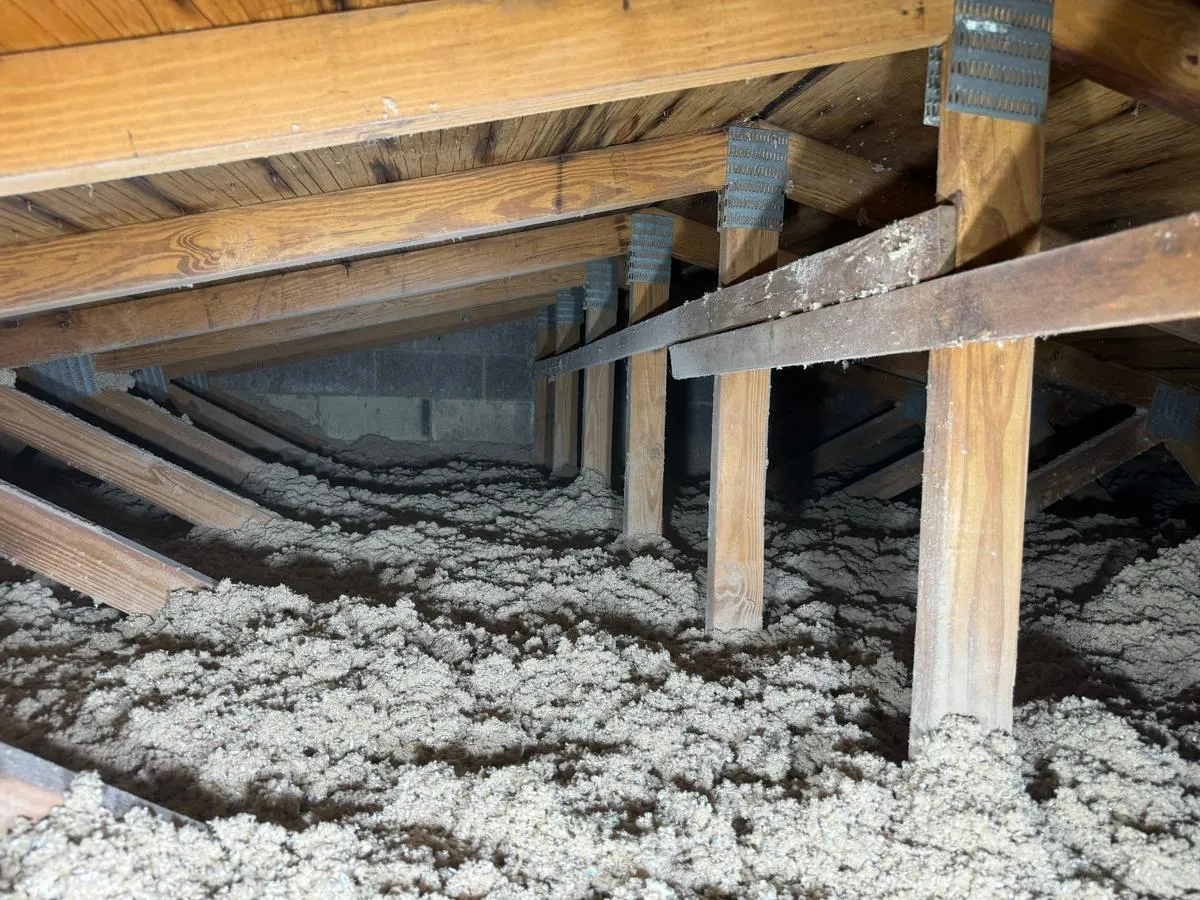
What Happens During an Energy Audit in Brooklyn
A professional energy audit is not a quick walkthrough. It is a two- to three-hour diagnostic process using specialized equipment to measure exactly how your home performs. Here is what happens when we audit a Brooklyn home.
The process starts with a conversation about your home: which rooms are uncomfortable, where you feel drafts, how old your heating system is, and what your utility bills look like. Then the testing begins.
The most important test is the blower door test. A calibrated fan is sealed into an exterior door and depressurizes the entire house. This pulls outside air in through every crack and gap, making air leaks easy to find and measure. The blower door gives us a precise number (CFM50) that tells us how leaky your home is compared to similar Brooklyn homes.
While the blower door runs, we scan the walls, ceilings, and floors with thermal imaging cameras. This reveals exactly where insulation is missing, where cold air is entering, and where heat is escaping. In Brooklyn row houses, thermal imaging is especially useful because it shows whether the party walls have gaps or air channels that are not visible any other way.
We also inspect insulation levels in every accessible area, evaluate the heating and cooling system, and perform health and safety checks including carbon monoxide testing on furnaces, boilers, and water heaters.
After testing, you receive a report that includes your home's air leakage rate, insulation levels in each area, thermal imaging photos, and a prioritized list of recommended improvements ranked by impact and cost-effectiveness.
For a detailed breakdown of every step in the audit process, see our full guide: Home Energy Audit NYC: What It Covers, What It Costs, and How to Get One for No Cost.
How Brooklyn Homeowners Can Get an Energy Audit at No Cost
Most Brooklyn homeowners do not need to pay for an energy audit. The EmPower+ program, funded by New York State through NYSERDA, covers the full cost of the audit and many of the recommended upgrades for income-eligible households.
What EmPower+ covers for qualifying Brooklyn homeowners:
A complete energy audit with blower door testing and thermal imaging, insulation upgrades (attic, walls, and basement), air sealing throughout the home, and health and safety improvements. Tier 1 households can receive up to $14,000 in covered improvements at no cost. Tier 3 (moderate income) households get 50% of project costs covered, up to $7,000.
If you receive HEAP, SNAP, TANF, SSI, or similar public assistance benefits, you likely pre-qualify automatically. Even if you do not receive those benefits, you may qualify based on your household income. Check the 2026 income requirements for NYC to see if your household is eligible.
NY Energy Project is a participating contractor in the EmPower+ program serving all Brooklyn neighborhoods. We handle the entire process from the initial audit through the completed upgrades.
What Improvements Make the Biggest Difference in Brooklyn Homes
After hundreds of Brooklyn energy audits, these are the improvements that consistently deliver the best results:
Attic Insulation
The single highest-impact upgrade for most Brooklyn homes. Many have less than three inches of insulation in the attic when current standards call for 13 to 14 inches. Adding blown-in cellulose insulation to the attic reduces heat loss through the roof and often makes a noticeable difference in comfort within the first heating season. In row houses with flat roofs, insulating the top-floor ceiling is equally important.
Wall Insulation
For Brooklyn homes with hollow wall cavities (which is most of them), dense-pack cellulose insulation fills the spaces and dramatically reduces heat loss through the walls. The installation process involves drilling small holes from the exterior, filling the cavities under pressure, and patching the holes. No interior disruption, no wall removal.
Air Sealing
Every pipe, wire, duct, and gap where air can move between your living space and the attic, basement, or outside gets sealed. In balloon-framed Brooklyn homes, this is especially critical because those open wall channels move a huge volume of air. Air sealing is almost always done alongside insulation for maximum effect.
Basement Ceiling Insulation
If your first floor feels cold even when the heat is running, the basement ceiling is likely uninsulated. Adding insulation below the first floor keeps the heat in your living space and can reduce heating costs significantly.
How Much Does an Energy Audit Cost in Brooklyn?
If you qualify for the EmPower+ program, the energy audit and approved upgrades are performed at no cost to you. That covers the majority of Brooklyn homeowners we work with.
If you do not qualify for EmPower+, a paid energy audit from a BPI-certified contractor in Brooklyn typically costs $200 to $500 depending on the size and complexity of your home. Some contractors, including NY Energy Project, offer complimentary energy assessments as part of the insulation and air sealing process.
Brooklyn Neighborhoods We Serve
NY Energy Project performs energy audits and insulation upgrades throughout all of Brooklyn, including:
East New York
Canarsie
Flatlands
East Flatbush
Brownsville
Cypress Hills
Mill Basin
Bergen Beach
Flatbush
Crown Heights
Bed-Stuy
Bushwick
Bay Ridge
Sunset Park
Park Slope
Borough Park
Bensonhurst
Sheepshead Bay
No matter which Brooklyn neighborhood you are in, your home qualifies for an energy audit. The building types and specific issues vary, but the process and available programs are the same across all of Brooklyn.
Frequently Asked Questions
How long does an energy audit take in a Brooklyn home?
A comprehensive energy audit takes two to three hours for a typical Brooklyn home. Larger homes or homes with complex layouts may take longer. The auditor needs time to set up and run the blower door test, scan the home with thermal imaging, inspect insulation levels, and evaluate the heating system.
Is the energy audit at no cost for Brooklyn homeowners?
For income-eligible households, the energy audit is performed at no cost through the EmPower+ program funded by New York State. Even if you are not sure whether you qualify, it is worth checking. Many Brooklyn homeowners are surprised to find they meet the income requirements.
What is the most common problem found in Brooklyn energy audits?
Missing wall insulation is the single most common finding. Most pre-war Brooklyn homes have completely hollow exterior wall cavities with no insulation at all. The second most common issue is insufficient attic insulation, with many homes having less than three inches when 13 to 14 inches is the current standard.
Do I need to be home during the energy audit?
Yes. Someone over 18 needs to be present for the entire audit. The auditor will need access to all rooms, the attic, the basement, and mechanical equipment. They will also ask questions about your comfort concerns, utility bills, and any known issues with the home.
Will the audit damage my Brooklyn home?
No. The energy audit is completely non-invasive. The blower door test uses a temporary fan mounted in a door frame with no modifications. Thermal imaging is contactless. The auditor may move some attic insulation aside to check depth and condition, but everything is left as it was found.
I rent a home in Brooklyn. Can I get an energy audit?
Renters in one- to four-family homes may be eligible for the EmPower+ program, but the property owner must consent to any work being performed. If you are a renter, talk to your landlord about participating. The program covers the cost of the audit and any approved upgrades, so there is no financial burden on the property owner.
Related Resources
- Home Energy Audit NYC: Full Guide to the Process, Costs, and Programs
- EmPower+ Program: No-Cost Home Energy Upgrades for NYC Homeowners
- 2026 EmPower+ Income Requirements for NYC
- Is EmPower+ Legit? What NYC Homeowners Need to Know
- EmPower+ FAQ: Common Questions NYC Homeowners Ask
NY Energy Project: Your Brooklyn Energy Audit Experts
We are a participating contractor in the EmPower+ program serving all Brooklyn neighborhoods. From the initial audit through the completed upgrades, we handle every step.
